
Austria’s Preliminary Inflation Holds at 3.6% in October as Energy Prices Surge
Energy inflation accelerated to 16.5% in October, but slightly slower price increases for services and flat food-related prices kept Austria’s preliminary headline rate unchanged.
Our editorial standards
MarketReview publishes clear, independently produced financial information using reliable sources and transparent editorial standards.
Read our Editorial Policy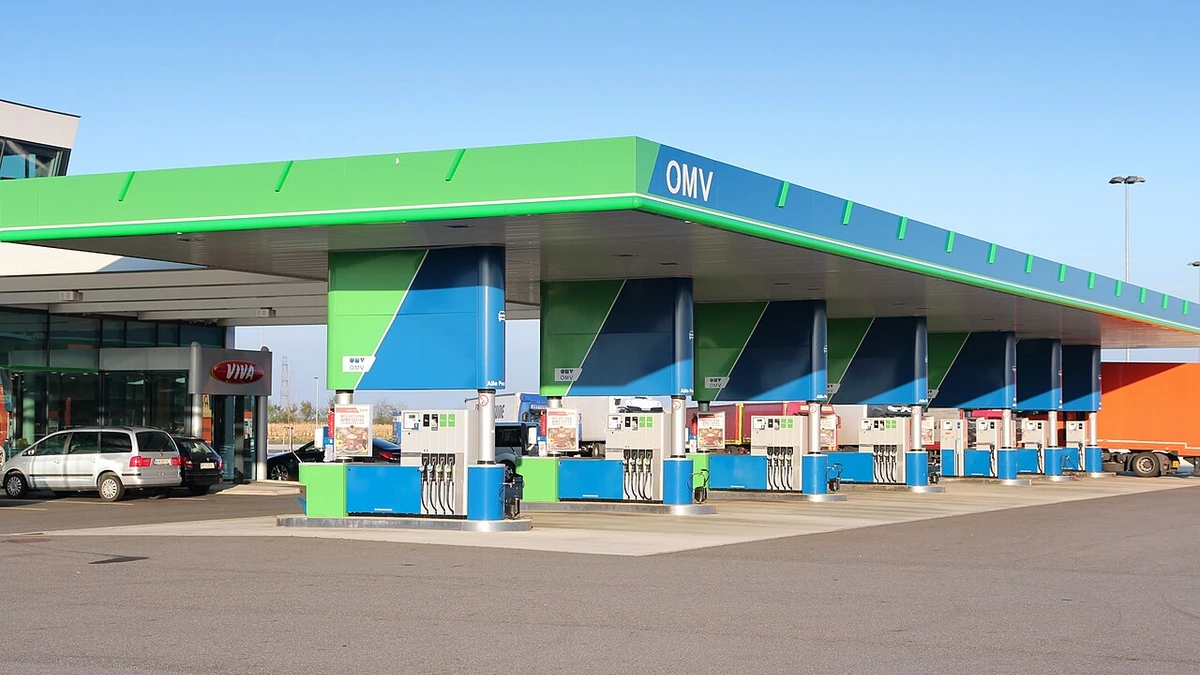
Austria’s annual inflation rate held at an estimated 3.6% in October, even as energy prices rose more sharply than in September, according to preliminary figures released by Statistics Austria on November 4. Services continued to make the largest contribution to inflation, despite a slight easing in their rate of price increases.
The national consumer price index was up an estimated 0.3% from September. Energy prices rose 16.5% from a year earlier, compared with 15.1% in September, while the annual rise in services prices eased to 4.1% from 4.2%. The figures show how a steady headline inflation rate can conceal different pressures on household and business spending.
The estimate also put core inflation at 2.9%, with little upward pressure from food, alcohol and tobacco prices. Statistics Austria’s October flash report is based on price information available before the full monthly data have been validated, so the figures remain subject to revision.
Energy inflation accelerates despite expanded fuel-price controls
Energy was the clearest source of renewed inflation pressure in October. Its 16.5% annual increase was 1.4 percentage points faster than the September rate, even though Austria had extended its fuel-price restraint measures from October 1. Statistics Austria said the expanded measures helped reduce the increase in motor fuel prices, but the wider energy category nevertheless became more expensive relative to a year earlier.
The distinction matters because energy includes more than petrol and diesel. An intervention affecting prices at the pump does not necessarily offset price developments elsewhere in the energy basket. The flash estimate does not provide a detailed October breakdown for individual fuels, so it would be premature to assign the entire rise to any one product.
September’s final data illustrate the pressure already in the system. Statistics Austria reported that motor fuels were 34.8% more expensive than a year earlier, while liquid fuels, a category that includes heating oil, rose 63.1%. Those figures describe September rather than October, but they help explain why energy had become a prominent influence on inflation before the latest reading.
Energy accounts for about 8.2% of the basket used in the national consumer price index. Because of the size of its annual price increase, it contributed approximately 1.38 percentage points to the 3.6% headline rate in October. That contribution describes energy’s role in the annual inflation figure, not a 1.38% rise in energy prices during the month itself.
October’s monthly headline increase of 0.3% and its unchanged annual rate are therefore not contradictory. The monthly figure compares the overall price level with September, whereas the annual figure measures how much prices have changed since October 2025. The two comparisons can move differently as earlier price changes fall into or out of the 12-month calculation.
Services remain Austria’s biggest inflation driver
Despite the attention on energy, services had a greater effect on the overall October inflation rate. Prices in that sector were up 4.1% from a year earlier, slowing marginally from September’s 4.2% increase. Services make up 49.5% of Austria’s consumer price basket, giving even a relatively modest change in their inflation rate considerable influence on the headline measure.
According to the flash-estimate breakdown, services contributed about 2.00 percentage points to annual inflation. That was more than the roughly 1.38 percentage points attributable to energy. The figures explain why Austria’s overall inflation remained elevated despite easing services inflation and relatively subdued price increases across several other categories.
Core inflation, which Statistics Austria calculates from services and non-energy industrial goods, was estimated at 2.9%. It excludes energy as well as food, alcohol and tobacco. The distinction is useful because it shows that Austria’s price pressures are not confined to the most volatile parts of the basket, even though the sharpest annual increase was in energy.
Non-energy industrial goods rose 0.9% from October 2025, slightly faster than the 0.8% annual rate recorded in September. But that component contributed only about 0.23 percentage points to headline inflation. By comparison, prices for food, alcohol and tobacco were unchanged from a year earlier, after increasing 0.8% in September. The group’s overall contribution to October inflation was essentially zero.
The pattern also marks a pause in a recent acceleration in the national rate. Inflation had been 2.8% in July and 3.2% in August before reaching 3.6% in September. October did not extend that rise, but the unchanged reading was not evidence that energy pressure had subsided. Instead, slightly softer increases in services and food-related prices helped keep the overall rate steady.
These component readings are annual price changes, not descriptions of what every Austrian household paid in October. Spending patterns differ from the statistical average, and households with greater exposure to fuel or heating costs can experience a different mix of price pressures than the headline index suggests.
Austria’s harmonized rate sits below the euro-area estimate
Austria’s EU-harmonized inflation rate, which is calculated for cross-country comparison, was estimated at 3.5% in October, down from a final 3.6% in September. On a monthly basis, the harmonized index was estimated to have increased 0.4%, compared with the 0.3% monthly rise in the national index.
The difference between the two Austrian headline measures does not mean that one is the correct reading and the other is not. The national consumer price index reflects spending by households resident in Austria. The harmonized measure uses a different weighting structure and also covers relevant spending by visitors from abroad. It is the harmonized measure that provides the appropriate basis for comparing Austria with the euro area.
In the October flash estimate published by Eurostat, euro-area inflation rose to 4.0% from 3.8% in September. Austria’s 3.5% harmonized reading was therefore below the bloc-wide figure, even though domestic energy prices were climbing quickly. Across the euro area, energy prices rose an estimated 20.8% year over year, up from 18.9% a month earlier.
The preliminary nature of the release is important for interpreting relatively small changes. Statistics Austria says that about 80% to 90% of the price observations used in the monthly index are normally available for its flash estimate, before all standard validation work has been completed. Late responses and subsequent corrections can alter the final annual and monthly rates.
Statistics Austria is scheduled to publish the detailed October consumer price figures on November 18. That release should provide a fuller breakdown of price developments across energy and other expenditure groups, and will establish whether the preliminary 3.6% headline rate is maintained.
More News


Latest News
View all news- U.S. Services Growth Slows as October ISM Index Falls to 54.5
- McDonald’s U.S. Comparable Sales Slip 0.2% Despite Higher Quarterly Profit
- U.S. Mortgage Applications Fall 1.2% Despite 30-Year Rate Easing to 7.30%
- Uber Reports $59.8 Billion in Quarterly Gross Bookings as Revenue Climbs 10%
- U.S. Trade Deficit Narrows to $105 Billion in September as Exports Rise
