Uber Launches €41.50-a-Share Delivery Hero Takeover Offer After BaFin Approval
Uber has published the formal offer document for its planned takeover of Delivery Hero, opening a tender period through Nov. 5 and moving the German food-delivery company into the shareholder-acceptance phase of the deal.
Our editorial standards
MarketReview publishes clear, independently produced financial information using reliable sources and transparent editorial standards.
Read our Editorial Policy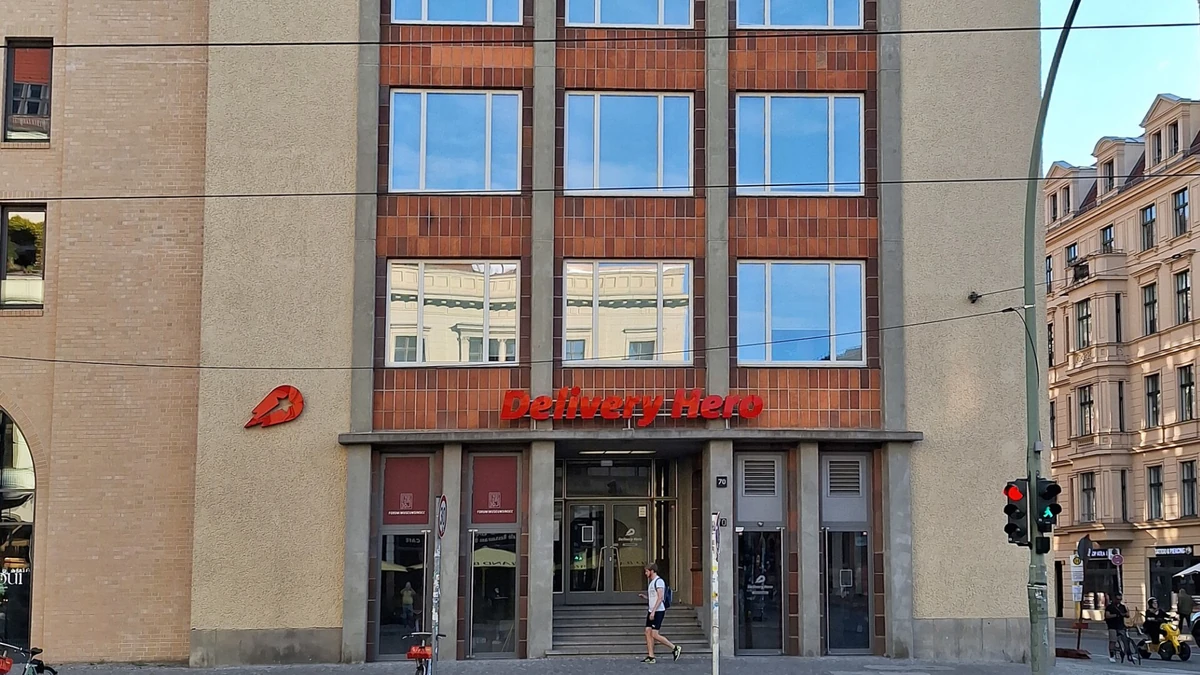
Uber has formally launched its cash takeover offer for Delivery Hero after Germany’s financial regulator approved the offer document, starting the period in which the Berlin-based food-delivery company’s shareholders can decide whether to tender their stock into the bid.
The offer is set at €41.50 a share in cash for all outstanding Delivery Hero shares not already held by Uber’s bidding vehicle. The acceptance period opened on Aug. 27 and is scheduled to run until Nov. 5. If the remaining conditions are met, including regulatory clearances and the minimum tender threshold, settlement and payment are expected in the second half of 2027.
Offer document opens the shareholder tender phase
The publication of the formal offer document turns what had been an announced intention into an active tender process. In its Aug. 27 announcement, Uber said BaFin had approved the document, allowing the company to publish it and begin accepting tenders. Uber also said the €41.50 offer represents a premium of about 108% to Delivery Hero’s unaffected closing share price on May 8 and about 127% to the unaffected three-month volume-weighted average Xetra price through that date.
That timing matters because a German public takeover offer does not close simply because the bidder announces a price. Shareholders first need a regulator-approved document that lays out the terms, the conditions, the acceptance mechanics and the timetable. Only after that publication can investors instruct their custodian banks to tender shares. Uber said banks may impose their own earlier internal deadlines, a practical detail that could matter for investors who wait until late in the process.
Delivery Hero’s management board and supervisory board are expected to issue a joint reasoned statement on the offer in due course. Uber said those boards are expected to support the offer. That is consistent with the stance taken when the deal was first unveiled in July, when Delivery Hero’s leadership signaled that it intended to recommend the offer subject to review of the final document.
Uber is buying more than Delivery Hero’s remaining float
The formal launch is strategically important for Uber because the company is not starting from zero. When it first announced the acquisition plan in July, Uber said the combination would expand its mobility and delivery platform to 99 markets with pro forma gross bookings of $236 billion in 2025. It also said the deal would nearly double the number of markets in which Uber can offer both mobility and delivery services, taking that overlap from 34 markets to 58. That helps explain why Uber has been willing to pursue one of the biggest deals in its history for a business that still operates across a wide patchwork of food delivery, quick-commerce and local-commerce brands.
Uber has also spent months positioning itself so the offer would begin with a meaningful ownership base. According to the July takeover announcement, the company directly held about 24.77% of Delivery Hero’s issued voting share capital before the offer was launched, and it had another roughly 11.74% of economic exposure through equity derivatives. Prosus also agreed to tender 51,116,174 Delivery Hero shares, representing about 16.68% of the share capital and voting rights. Taken together, those positions bring Uber’s total economic interest to about 53%, giving the bidder a stronger starting point than a clean-slate tender offer would have had.
That does not mean completion is automatic. The offer still requires holders of Delivery Hero shares, together with shares already held by or attributed to Uber and its affiliates, to represent at least 50% plus one share of the company, excluding treasury shares. Still, the existing stake, the derivative exposure and the Prosus commitment sharply reduce the amount of additional support Uber needs from the wider shareholder base.
The structure around the deal also shows that Uber is being selective about which parts of Delivery Hero it ultimately wants. When the companies announced the takeover plan in July, they also disclosed a separate agreement for SSW Partners to acquire businesses in 14 markets where portfolio overlap and competition questions are more pronounced. Uber said those operations would not come under its control and that SSW would independently find long-term strategic owners for them. For investors, that carve-out is a reminder that the headline offer price is only one part of a broader reshaping of Delivery Hero’s footprint.
Financing, conditions and the next milestones
Uber has already laid out how it expects to pay for the acquisition. In a Form 8-K filed with the U.S. Securities and Exchange Commission when the takeover plan was announced, the company said it anticipated funding the offer primarily with existing cash balances and debt. The filing disclosed a committed bridge credit agreement that provides for senior unsecured bridge loan commitments totaling €14.2 billion. Uber said those proceeds could be used to finance the offer, fund related deal costs and refinance certain Delivery Hero indebtedness.
The same filing also shows why investors should think of Aug. 27 as an important procedural milestone rather than the finish line. The offer remains subject to merger-control approvals, certain financial-services regulatory approvals and the minimum acceptance threshold. Uber has also committed not to enter into a domination and profit transfer agreement for three years after closing, a promise meant to give Delivery Hero shareholders and stakeholders more clarity about the immediate post-closing structure. When the takeover was first announced, Uber also said it intended to retain Delivery Hero’s headquarters and make no changes to its workforce in Berlin until at least 2029, while investing €2 billion in Germany over five years.
There are also economic incentives on both sides to keep the deal on track. The July 8-K said Delivery Hero would owe Uber a €200 million termination fee in certain circumstances involving a competing offer or a withdrawal of board support. Uber’s bidder vehicle, in turn, could owe Delivery Hero €700 million if the offer lapses because specified regulatory approvals are not received even though the other conditions are satisfied, or if all offer conditions are met or waived by May 10, 2028 but completion still does not occur for regulatory reasons within the contractually defined period.
For now, the immediate next steps are clear. Delivery Hero’s boards still need to publish their formal reasoned statement. Shareholders who want to tender need to work through their custodians before any bank-specific cutoffs. The public acceptance period is due to end on Nov. 5, and, if the remaining approvals arrive as planned, Uber expects the cash settlement to follow in the second half of 2027.
More from Investing
Latest News
View all news- U.S. Goods Trade Deficit Widens 17% to $118.8 Billion in July
- Best Buy Raises FY27 Outlook as Comparable Sales Rise 4.1%
- U.S. Jobless Claims Fall to 203,000 as Continuing Claims Drop to 1.78 Million
- Build-A-Bear Cuts 2026 Outlook as Q2 Revenue Falls 7%
- Malibu Boats Q4 Sales Jump 43% as Adjusted EPS More Than Doubles