Japan Corporate Profits Jump 24.6% to Record ¥44.7 Trillion in Q2
Manufacturing earnings led the increase as ordinary profits climbed 57%, while non-manufacturing profits rose 9.8% and capital spending increased only 1.6%.
Our editorial standards
MarketReview publishes clear, independently produced financial information using reliable sources and transparent editorial standards.
Read our Editorial Policy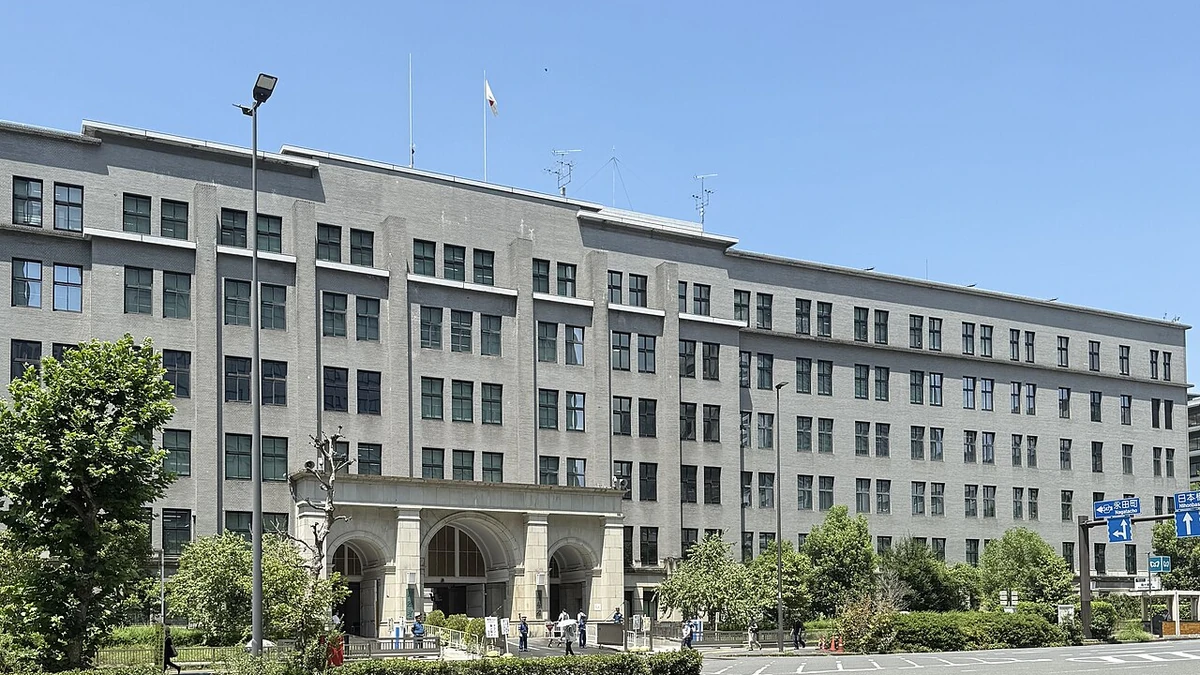
Japan’s corporate ordinary profits rose 24.6% from a year earlier to a record ¥44.67 trillion in the April-June quarter, as a sharp increase in manufacturing earnings combined with continued gains across much of the non-manufacturing sector. The Ministry of Finance said the total, which excludes finance and insurance, was the highest in the quarterly series dating back to April-June 1954.
Manufacturing ordinary profits jumped 57.0% to ¥17.69 trillion, while non-manufacturing profits increased 9.8% to ¥26.98 trillion. On a seasonally adjusted basis, ordinary profits rose 11.0% from the previous quarter, with gains of 12.1% in manufacturing and 10.2% outside manufacturing.
In its quarterly corporate survey released September 1, the ministry also reported that sales rose 5.9% year over year to ¥393.94 trillion, the sixth-highest amount in its 289-quarter ranking. The ratio of ordinary profits to sales climbed to 11.3% from 9.6% a year earlier, indicating that profit growth ran well ahead of the increase in revenue during the quarter.
Manufacturing earnings lead the record quarter
Information and communication electronics equipment and transportation equipment were the two largest positive contributors to the manufacturing profit increase among the industries highlighted by the ministry. Ordinary profits in information and communication electronics equipment rose 171.2% to ¥3.10 trillion, while transportation equipment profits increased 50.6% to ¥4.16 trillion.
Several other manufacturing categories also posted sizable increases. Electrical machinery ordinary profits rose 51.5% to ¥1.80 trillion, chemicals increased 43.2% to ¥2.16 trillion, and iron and steel gained 39.8% to ¥319.4 billion. Production machinery profits were up 20.4% at ¥1.15 trillion. Petroleum and coal products returned to a positive ¥351.0 billion from a loss in the year-earlier quarter, so the ministry did not calculate a comparable percentage increase for that category.
Operating-profit figures pointed in the same direction. Total operating profit excluding finance and insurance increased 23.7% to ¥28.96 trillion, with manufacturing operating profit up 62.3% and non-manufacturing operating profit up 12.1%. The manufacturing ordinary-profit margin rose to 14.9% of sales from 10.1% a year earlier.
Outside manufacturing, services generated ¥9.32 trillion in ordinary profits, up 15.1%, and wholesale and retail trade recorded ¥6.56 trillion, up 12.9%. Real estate profits increased 14.1% to ¥2.29 trillion, while information and communications gained 8.8% to ¥3.54 trillion. The gains were not universal: transport and postal activities fell 18.8% to ¥1.55 trillion, and electricity-industry profits declined 28.4% to ¥766.3 billion.
Sales expand as capital spending growth stays modest
Sales increased in both broad industry groups. Manufacturing sales rose 6.1% from a year earlier to ¥118.36 trillion, and non-manufacturing sales grew 5.9% to ¥275.58 trillion. After seasonal adjustment, total sales were 2.7% higher than in the January-March quarter, with manufacturing up 1.1% and non-manufacturing up 3.5%.
Capital spending grew much more slowly than profits. Investment in plant and equipment, including software, rose 1.6% year over year to ¥13.03 trillion. Manufacturing investment fell 3.7% to ¥4.60 trillion, while non-manufacturing investment increased 4.7% to ¥8.42 trillion. On a seasonally adjusted quarter-to-quarter basis, overall investment rose 1.5%.
Industry-level investment varied sharply. Chemicals and food were the largest positive manufacturing contributors identified by the ministry, with spending up 11.0% and 14.5%, respectively. Transportation-equipment investment fell 17.0% and information and communication electronics equipment declined 29.3%. In non-manufacturing, services investment increased 25.9% and goods rental and leasing rose 24.9%, while wholesale and retail trade investment fell 19.7%.
At ¥13.03 trillion, total investment ranked 26th among the 100 quarters for which the ministry publishes comparable capital-spending rankings, well below the No. 1 historical ranking for ordinary profits. The survey’s ranking history for capital spending begins with the July-September 2001 quarter, whereas the sales and ordinary-profit rankings extend back to 1954.
Large corporations account for most of the profit pool
Companies with capital of at least ¥1 billion reported ¥32.32 trillion in ordinary profits, up 29.4% from a year earlier and equal to more than 70% of the headline total. Corporations with capital from ¥100 million to less than ¥1 billion posted ¥5.83 trillion, up 26.5%, while those with ¥10 million to less than ¥100 million reported ¥6.52 trillion, an increase of 4.4%.
For historical comparability, the headline measure excludes finance and insurance. When finance and insurance are included, ordinary profits totaled ¥51.28 trillion, up 25.8% from a year earlier. Finance and insurance alone recorded ¥6.62 trillion in ordinary profits, up 34.3%, with banking profits rising 56.2% to ¥3.88 trillion.
The Ministry of Finance compiles the quarterly statistics from provisional accounts of commercial corporations in Japan with capital, contributions or funds of at least ¥10 million. It is a sample survey, and the published totals are estimates for the broader population of eligible corporations rather than a simple sum of every company’s reported accounts.
Japan’s broader economy was still expanding in the second quarter even as the corporate data showed a much faster rise in profits. A Cabinet Office statement on the first preliminary GDP estimate put real growth at 0.3% from the previous quarter, or 1.1% at an annualized rate, marking a third consecutive quarter of expansion. The government said domestic demand made a negative contribution because of transient factors, while net exports contributed positively.
A second preliminary estimate of April-June GDP is scheduled for September 8. The Ministry of Finance has set December 1 as the scheduled release date for its next quarterly corporate survey, covering July through September.
More News


Latest News
View all news- Union Pacific Third-Quarter Profit Rises 16% to $2.1 Billion as Freight Volumes Grow
- Nasdaq Q3 Revenue Jumps 13% as Annual Recurring Revenue Reaches $3.4 Billion
- Census Bureau Releases New Business Conditions Data Covering U.S. Employers
- Blackstone Reports Third-Quarter Earnings With Assets Under Management Near $1.4 Trillion
- BEA Expands State-Level R&D Economic Statistics With New 2024 Estimates