Eli Lilly to Buy Merida Biosciences for Up to $2.875 Billion in Immunology Expansion
The cash acquisition adds Merida's Phase 1 MER511 program and antibody-degradation platform, with closing expected in the fourth quarter subject to regulatory approvals.
Our editorial standards
MarketReview publishes clear, independently produced financial information using reliable sources and transparent editorial standards.
Read our Editorial Policy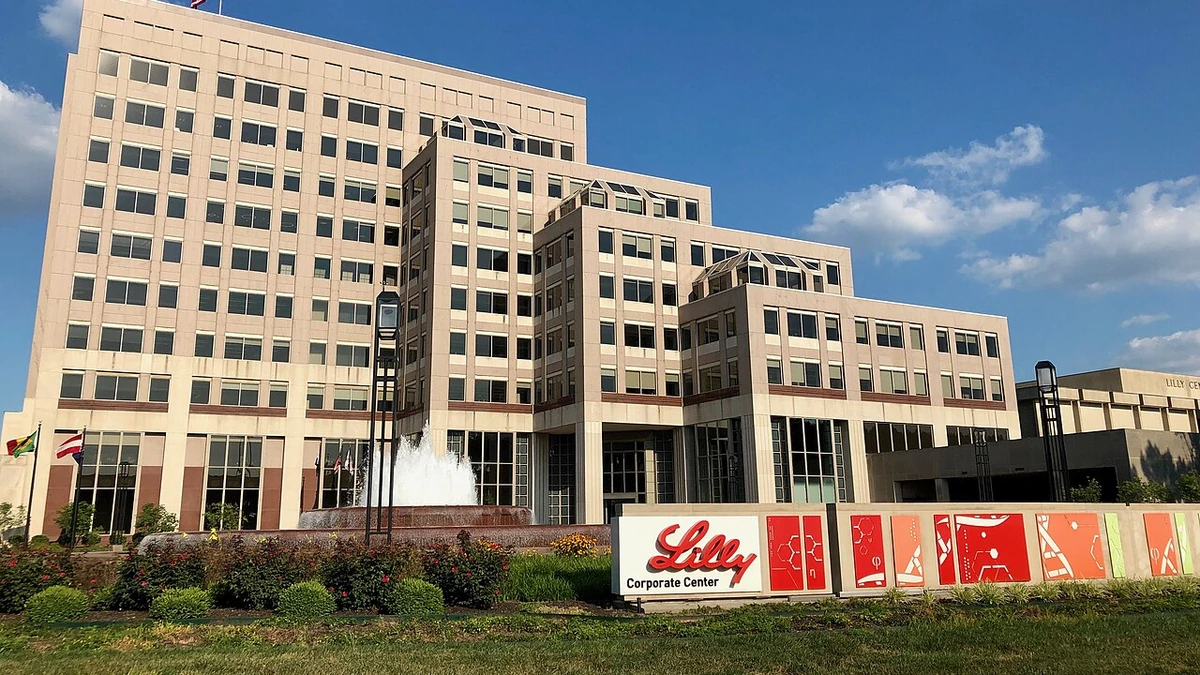
Eli Lilly and Company agreed to acquire Merida Biosciences for up to $2.875 billion in cash, adding an early-stage immunology platform built around selectively removing disease-causing antibodies. The total includes an undisclosed upfront payment and contingent milestone payments, so the headline amount is not a guaranteed purchase price.
The companies announced the definitive agreement on August 31. Closing is expected in the fourth quarter of 2026, subject to regulatory approvals and other customary conditions. Lilly said it will determine the accounting treatment after closing and then reflect the acquisition in its financial results and guidance.
The Lilly announcement centers on Merida’s lead program, MER511, a Phase 1 biologic being developed for Graves’ disease and thyroid eye disease. Lilly also gains earlier programs directed at IgE-mediated allergic diseases and certain autoimmune kidney diseases, giving the buyer a platform rather than a single clinical asset.
Upfront payment remains undisclosed
The financial terms make the structure of the consideration important. Lilly said it will pay up to $2.875 billion in cash, inclusive of an upfront amount and future milestone payments. Neither company disclosed the size of the upfront payment, the milestones required to unlock the remainder, or how much of the maximum consideration is tied to development, regulatory or commercial events.
That means $2.875 billion is the ceiling on the announced consideration, not the amount that Lilly has committed to pay at closing. The distinction matters for investors because milestone-heavy biotechnology acquisitions shift part of the buyer’s cash outlay toward future events that may or may not occur. The companies did not provide a breakdown that would allow the guaranteed portion to be calculated.
Lilly also has not yet specified how the purchase will be accounted for under U.S. generally accepted accounting principles. The company said that determination will be made when the acquisition closes. Until then, the deal’s eventual effect on reported expenses, acquired research and development, assets or goodwill cannot be stated from the announcement alone.
Ropes & Gray is serving as Lilly’s legal counsel. Centerview Partners is Merida’s exclusive financial adviser, while Goodwin Procter is its legal counsel. The parties did not disclose a financing plan, and the agreement is described as an all-cash acquisition rather than a stock-based combination.
MER511 gives Lilly a clinical-stage Graves’ disease program
Merida’s most advanced asset is MER511, which is being tested in the NEXUS Phase 1 study in adults with Graves’ disease. The ClinicalTrials.gov record describes the trial as a first-in-human, placebo-controlled study evaluating safety, tolerability, pharmacokinetics, pharmacodynamics and immunogenicity across single and multiple ascending doses. The study began in December 2025 and has an estimated enrollment of 100 participants.
Graves’ disease is driven by autoantibodies that activate thyroid-stimulating hormone receptors. Merida designed MER511 to bind and eliminate those pathogenic antibodies while preserving normal immune function and healthy thyroid signaling. The company is also positioning the same program for thyroid eye disease, a related autoimmune condition that can cause inflammation, pain, bulging of the eyes, double vision and, in severe cases, vision loss.
Lilly said initial Phase 1 data showed strong reductions in pathogenic thyroid-stimulating antibodies with what it characterized as a favorable initial safety profile. The acquisition announcement did not disclose detailed numerical results, and the ClinicalTrials.gov page currently lists no posted study results. The evidence should therefore be read as company-reported early clinical findings rather than a completed pivotal data package.
The registry lists the trial’s estimated primary completion and study completion for July 2028. That timeline underscores the development risk embedded in the acquisition: MER511 is in Phase 1, and Merida has not established an approved medicine. Lilly’s potential return depends on whether the platform continues to show acceptable safety and meaningful activity through later-stage development and regulatory review.
The acquisition also adds allergy and kidney-disease programs
Merida’s value to Lilly extends beyond MER511. Its pipeline includes MER769, an IgE-focused program in IND-enabling studies for diseases such as food allergy, asthma and chronic spontaneous urticaria. IgE antibodies play a central role in allergic reactions, and Merida is engineering MER769 to neutralize and remove those antibodies rather than broadly suppressing immune activity.
The Merida pipeline also lists MER683, an IND-enabling candidate aimed at primary membranous nephropathy. That kidney disease is frequently associated with autoantibodies targeting the phospholipase A2 receptor, or PLA2R. Merida’s approach is designed to clear the pathogenic antibodies while preserving other components of immunity.
At the platform level, Merida says its engineered Fc-based biologics bind selected disease-causing antibodies and direct them toward specialized liver cells for degradation. The company also aims to inhibit the B cells producing those antibodies, which could extend the effect beyond the initial removal of circulating autoantibodies. Those mechanisms remain development-stage claims that will require clinical validation across individual diseases.
Merida only emerged publicly in April 2025 with a $121 million Series A financing led by Bain Capital Life Sciences, BVF Partners and Third Rock Ventures, with GV and Perceptive Xontogeny Venture Funds also participating. The sale agreement therefore comes less than a year and a half after the company formally launched, reflecting Lilly’s willingness to pay for platform access before Merida has advanced its lead program beyond early clinical testing.
Regulatory clearance and closing are the next milestones
For Lilly, the acquisition broadens an immunology research portfolio at a time when the company’s biggest commercial franchises remain concentrated in diabetes, obesity and other major therapeutic areas. The Merida purchase does not immediately add revenue because none of Merida’s programs is approved. Its near-term value lies in research capabilities, intellectual property and the possibility of producing medicines for antibody-driven diseases that Lilly can carry through later development.
The companies have not identified a specific regulatory jurisdiction, timing for antitrust review or other closing requirements beyond saying regulatory approvals and customary conditions are needed. They expect the acquisition to close in the fourth quarter of 2026. Until those conditions are satisfied, Merida remains a separate company and the purchase has not been completed.
The next concrete developments are therefore regulatory clearance and closing, followed by Lilly’s accounting determination and any updated financial guidance. On the scientific side, progress in the NEXUS Phase 1 study will be the key test of the most advanced program Lilly is buying. The maximum $2.875 billion value will ultimately depend in part on milestones that the companies have not publicly detailed.
More from Investing



Latest News
View all news- India GDP Growth Accelerates to 7.8% in Q1 FY2026-27
- Aon Announces $17 Billion Acquisition of USI to Expand U.S. Middle-Market Insurance Business
- SAIC Raises Fiscal 2027 Revenue and Earnings Guidance After 6% Quarterly Growth
- Summit Midstream Makes Final Investment Decision on Double E Pipeline Expansion, Plans $100 Million Investment
- Karyopharm Submits XPOVIO Combination Application to FDA for Myelofibrosis, Seeks Priority Review