
Spain’s Inflation Jumps to 4.3% in August as Fuel Prices Rise
Spain’s August CPI flash estimate rose seven-tenths to 4.3%, with fuel prices lifting the headline rate even as core inflation eased to 2.9%.
Our editorial standards
MarketReview publishes clear, independently produced financial information using reliable sources and transparent editorial standards.
Read our Editorial Policy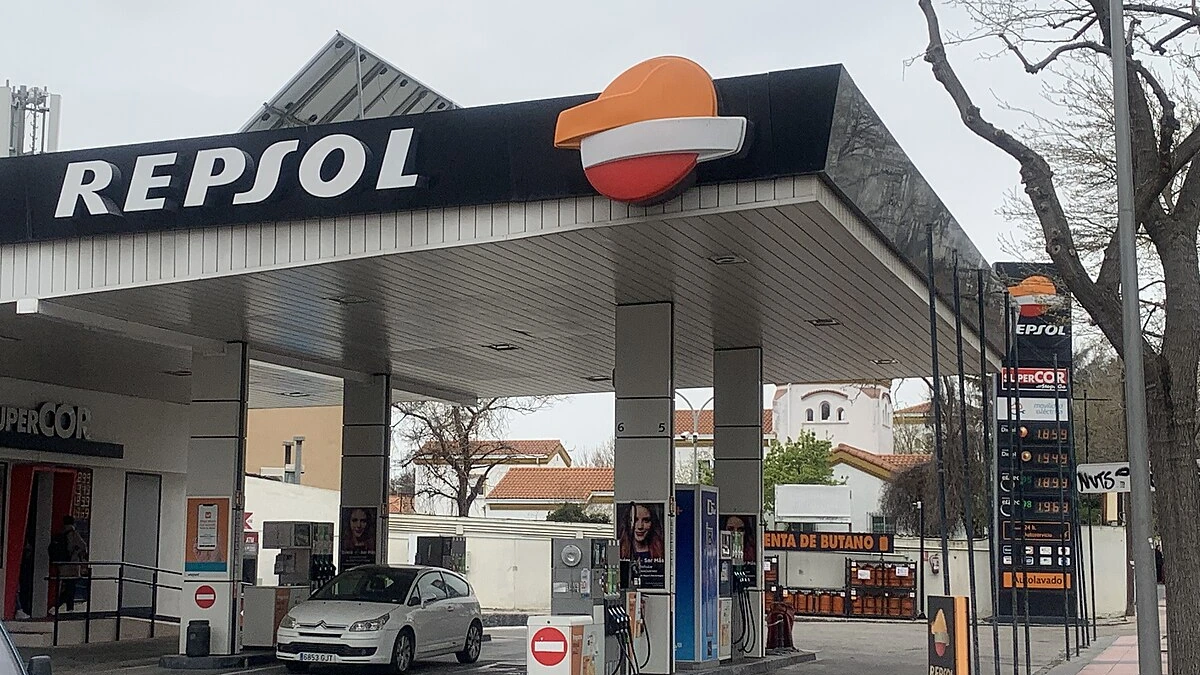
Spain’s inflation rate accelerated sharply in August, with the annual Consumer Price Index rising to a flash estimate of 4.3%, seven-tenths of a percentage point above July’s 3.6% reading. If confirmed in the final data, that would be the highest annual CPI rate since February 2023, when inflation stood at 6.0%. Consumer prices also increased 0.7% from July on a monthly basis.
The headline move came even as underlying inflation softened. Core inflation, which excludes unprocessed food and energy products, slipped to 2.9% from 3.0%, widening the gap between the overall index and the measure designed to filter out some of the most volatile components. Spain’s statistics office singled out fuel and lubricants for private vehicles as an important reason for the August acceleration, with food and non-alcoholic beverages also contributing to the year-over-year change.
Fuel prices extend pressure already visible in July
The August flash estimate from Spain’s National Statistics Institute says fuel and lubricants rose this month after falling in August 2025. That comparison matters for the annual rate because a category that is increasing now but was declining a year earlier can add noticeably to year-over-year inflation. INE also said food and non-alcoholic beverage prices fell by less than they did in August last year, adding a smaller upward influence.
The advance does not yet provide a detailed August rate for the broader energy group, so the official release supports a fuel-specific explanation rather than a claim that every energy component surged. July’s final CPI report nevertheless shows that energy-linked pressure was already present. Transport inflation rose to 6.2% in July, more than one percentage point higher than in June, mainly because fuels and lubricants increased faster than they had a year earlier. Housing inflation reached 5.7%, up one point, with electricity the main reason for that increase.
Monthly moves in July pointed in the same direction. Transport prices rose 2.3% from June and housing prices increased 1.6%, while the overall CPI advanced 0.3%. August’s 0.7% monthly increase therefore followed a month in which fuel and electricity were already lifting important parts of the consumer basket.
The renewed rise has also been fast by Spain’s recent standards. Annual CPI was 2.3% in January and February, climbed to 3.4% in March, held near 3.2% through June and moved to 3.6% in July. The 4.3% August flash estimate is above every final monthly reading since February 2023, although it remains far below the 10.8% peak recorded in July 2022. It is also 1.6 percentage points above the 2.7% rate registered in August 2025.
Core inflation eases as the headline rate climbs
The divergence between headline and core measures is one of the more important details in the release. Overall annual inflation increased by 0.7 percentage point from July, but core inflation edged down by 0.1 point. That leaves a 1.4-point gap between the two August estimates, compared with a 0.6-point gap in July. The figures indicate that categories excluded from the core measure are playing a larger role in the latest headline increase than they were a month earlier, although the full August category breakdown is still pending.
Spain’s harmonized inflation measure accelerated as well. The Harmonised Index of Consumer Prices, which is calculated to allow comparisons across European Union countries, was estimated at 4.5% in August, six-tenths above July’s 3.9%. The monthly HICP increase was 0.6%, while HICP core inflation stood at 3.2%. The national CPI and HICP are related measures but are not identical, so their headline rates should not be treated as interchangeable.
July is the latest month for which a complete euro-area comparison is available. Eurostat reported euro-area inflation at 2.9% in July, compared with Spain’s HICP rate of 3.9%, a difference of one percentage point. Energy contributed 0.94 percentage point to the euro-area annual rate that month and services contributed 1.55 points. Eurostat’s flash estimate for August is scheduled for September 1, so Spain’s 4.5% August HICP cannot yet be compared with an official August euro-area figure.
The August figures are preliminary rather than final. INE describes the release as an advance of the definitive data and has scheduled the complete August CPI and HICP results for September 15. That release should provide the detailed category rates needed to measure the month’s transport, housing, food and other price movements more precisely.
Energy inflation remains central to the ECB outlook
Spain’s reading arrives with the European Central Bank already focused on the inflation effects of higher energy costs. At its July 23 monetary policy meeting, the ECB kept its three key interest rates unchanged after raising them in June, leaving the deposit facility rate at 2.25%, the main refinancing rate at 2.40% and the marginal lending rate at 2.65%. The central bank said the outlook for energy prices remained highly volatile and that the full inflationary impact of the energy shock had yet to play out.
The ECB also said it would continue to set policy meeting by meeting using incoming data, the inflation outlook, underlying inflation and the strength of monetary policy transmission. Spain’s August numbers present a mixed signal within that framework: the headline rate moved sharply higher, but the national core measure eased slightly. A single country’s inflation release does not determine euro-area policy, making the regional August data and subsequent wage and price indicators important for the broader assessment.
The next checkpoints are close. Eurostat plans to publish its August euro-area flash inflation estimate on September 1, providing a comparable regional benchmark for Spain’s 4.5% HICP. INE is due to release Spain’s final August CPI and HICP on September 15. Together, those releases will show whether the latest Spanish acceleration remains chiefly a fuel-led national jump or forms part of a broader rise in euro-area inflation.
More News


Latest News
View all news- Union Pacific Third-Quarter Profit Rises 16% to $2.1 Billion as Freight Volumes Grow
- Nasdaq Q3 Revenue Jumps 13% as Annual Recurring Revenue Reaches $3.4 Billion
- Census Bureau Releases New Business Conditions Data Covering U.S. Employers
- Blackstone Reports Third-Quarter Earnings With Assets Under Management Near $1.4 Trillion
- BEA Expands State-Level R&D Economic Statistics With New 2024 Estimates
