
U.S. Treasury Sanctions Türkiye-Based Golden Global Bank Over Iran Financial Links
OFAC added Golden Global Bank and two Istanbul-based subsidiaries to the SDN List, alleging the lender helped move Iranian oil revenues and provided correspondent banking access.
Our editorial standards
MarketReview publishes clear, independently produced financial information using reliable sources and transparent editorial standards.
Read our Editorial Policy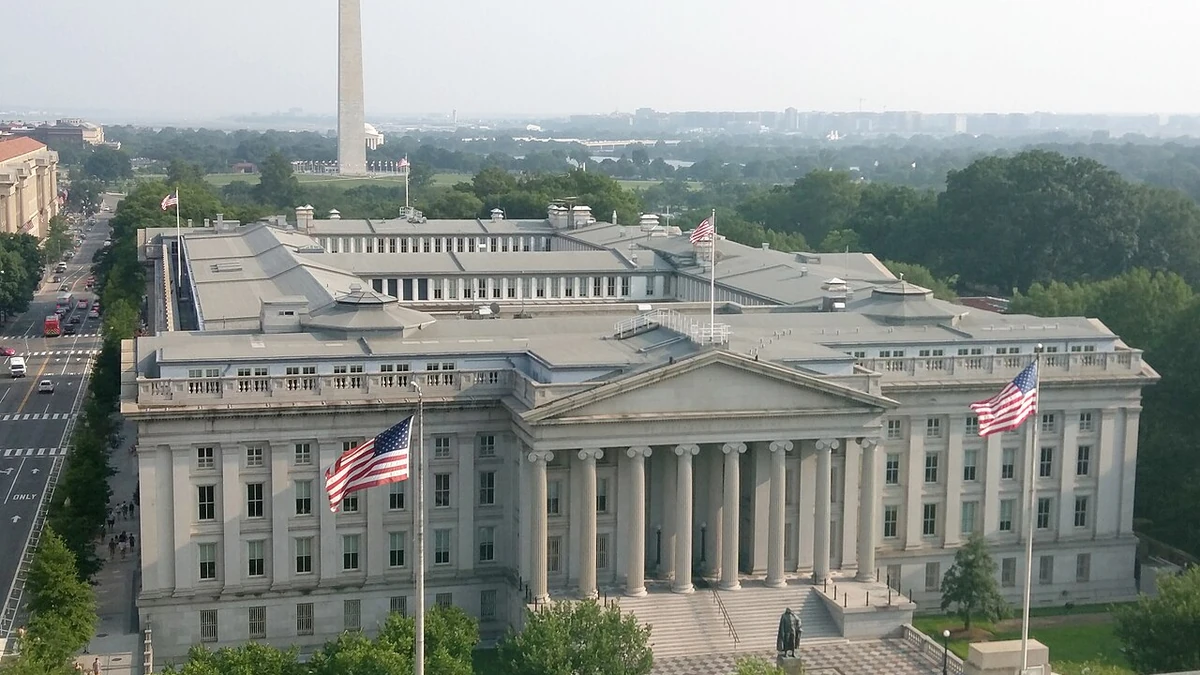
The U.S. Treasury Department sanctioned Türkiye-based Golden Global Yatirim Bankasi Anonim Sirketi on September 4, adding the investment bank and two subsidiaries to the Specially Designated Nationals and Blocked Persons List. The action was taken under Executive Order 13902, an authority that targets sectors of the Iranian economy including finance.
Treasury alleged that Golden Global Bank facilitated tens of millions of dollars in activity for Iran’s Islamic Revolutionary Guard Corps-Qods Force, or IRGC-QF, and provided correspondent banking access that helped Iranian funds move internationally. Those claims are allegations made by the U.S. government as part of the designation, rather than findings from a court proceeding described in the announcement.
In its September 4 sanctions announcement, Treasury said Golden Global Bank was used to move Iranian oil revenues from China to Türkiye, where funds could be converted into cash and gold. The department also alleged that the bank knowingly offered correspondent services to Iranian financial institutions and enabled activity through accounts controlled by the IRGC-QF and its proxies.
Treasury links the bank to an older IRGC-QF oil network
The U.S. action connects Golden Global Bank to a sanctions case that predates Friday’s designation. Treasury said accounts associated with the bank were tied to Turkish businessman Sitki Ayan and his companies. OFAC sanctioned Ayan and a wider business network in December 2022, alleging that the group arranged sales and shipments of Iranian oil worth hundreds of millions of dollars and funneled proceeds back to the IRGC-QF.
That earlier case included companies involved in shipping, energy and international trade. Treasury said Ayan’s network sold Iranian oil to buyers in China and elsewhere in East Asia, the United Arab Emirates and Europe, while using corporate and financial channels intended to obscure the oil’s origin and the IRGC-QF’s interest in the sales. The September 4 action places Golden Global Bank inside that broader financial picture by alleging that it supplied banking access to accounts connected with the same network.
Golden Global describes itself as Türkiye’s first investment bank operating entirely under interest-free finance principles. Its website says the bank received establishment permission from Türkiye’s Banking Regulation and Supervision Agency in 2019 and focuses heavily on banking services for foreign-trade companies. A separate compliance policy posted by the bank says it follows international sanctions programs, including U.S., European Union and United Nations measures, and says it does not provide services that would breach applicable sanctions. That published policy is not a response to Treasury’s September 4 allegations.
OFAC also designated two Istanbul-based subsidiaries controlled by Golden Global Bank: Golden Global Varlik Kiralama Anonim Sirketi and Golden Global Portfoy Yonetimi Anonim Sirketi. The first is an asset-leasing company and the second a portfolio-management company. OFAC listed both because it said they were owned or controlled by, or acted for or on behalf of, Golden Global Bank.
What the designation means for banks and counterparties
The immediate legal effect is centered on U.S. jurisdiction. Property and interests in property belonging to the designated entities that are in the United States, or in the possession or control of U.S. persons, are blocked and must be reported to OFAC. The same blocking rule generally extends to entities owned 50% or more, directly or indirectly and individually or in the aggregate, by one or more blocked persons.
OFAC’s September 4 SDN update identifies Golden Global Bank by its Istanbul address and SWIFT/BIC code GOGYTRIS and lists the two subsidiaries as linked entities. Unless an exemption or OFAC authorization applies, U.S. persons and payments moving through the United States generally cannot involve property or interests in property of the newly blocked entities.
The consequences can also extend beyond U.S. institutions. Treasury warned that foreign financial institutions engaging in certain dealings with the newly designated entities may face secondary-sanctions risk. OFAC can also prohibit or impose strict conditions on a foreign bank’s ability to maintain a correspondent or payable-through account in the United States if that institution knowingly conducts or facilitates significant activity on behalf of a person designated under the relevant authority.
That creates a strong incentive for banks, payment providers and other counterparties with exposure to the U.S. financial system to review their relationships with Golden Global Bank and entities it controls. The designation itself is a U.S. sanctions action and does not, in Treasury’s announcement, set out a decision by Turkish banking authorities on Golden Global’s domestic license. Its most direct force comes from blocking rules, U.S.-nexus restrictions and the risk that foreign institutions can face additional U.S. measures.
A short wind-down license runs through September 19
OFAC paired the designation with Iran General License CC, which provides a limited period for winding down otherwise prohibited dealings involving Golden Global Bank, the two named subsidiaries and entities they own at least 50%. The authorization runs through 12:01 a.m. Eastern Daylight Time on September 19, 2026.
The license is narrow. It covers activity that is ordinarily incident and necessary to wind down dealings involving the newly blocked entities, and any payment to a blocked person under the authorization must be placed into a blocked, interest-bearing account in the United States. It does not authorize activity that remains prohibited under Executive Order 13902 involving other blocked persons unless separately permitted.
Friday’s designation is part of Operation Economic Outcast, the Treasury campaign launched on August 24 to intensify pressure on Iran’s international financial links and revenue channels. Four days after that launch, Treasury targeted Iran-related banking access in the United Arab Emirates, including a proposed FinCEN measure involving Banque Misr UAE and separate OFAC designations tied to Iranian financial networks.
The Golden Global action shifts that campaign’s focus to a Türkiye-based financial institution that Treasury says provided the kind of correspondent access Iran needs to move money across borders. For financial firms with exposure to Golden Global or its subsidiaries, the first concrete deadline is now the September 19 expiration of General License CC’s wind-down authorization.
More from Banking

Latest News
View all news- U.S. Median Weekly Pay Rises 1.5%, Trailing 3.5% Consumer Inflation
- U.S. Mortgage Applications Drop 5.3% Even as 30-Year Rate Falls to 7.41%
- U.S. Energy Department Offers Up to 315,000 Barrels From Heating Oil Reserve
- U.S. Crude Inventories Fall 3.1 Million Barrels in Latest EIA Report
- Thermo Fisher Scientific Reports 9% Revenue Growth to $12.14 Billion
