
U.K. Inflation Rises to 3.1% in August as Fuel Costs Push Prices Higher
Petrol rose 9.1 pence a litre and diesel 14.2 pence in August, while core CPI and services inflation were unchanged from July.
Our editorial standards
MarketReview publishes clear, independently produced financial information using reliable sources and transparent editorial standards.
Read our Editorial Policy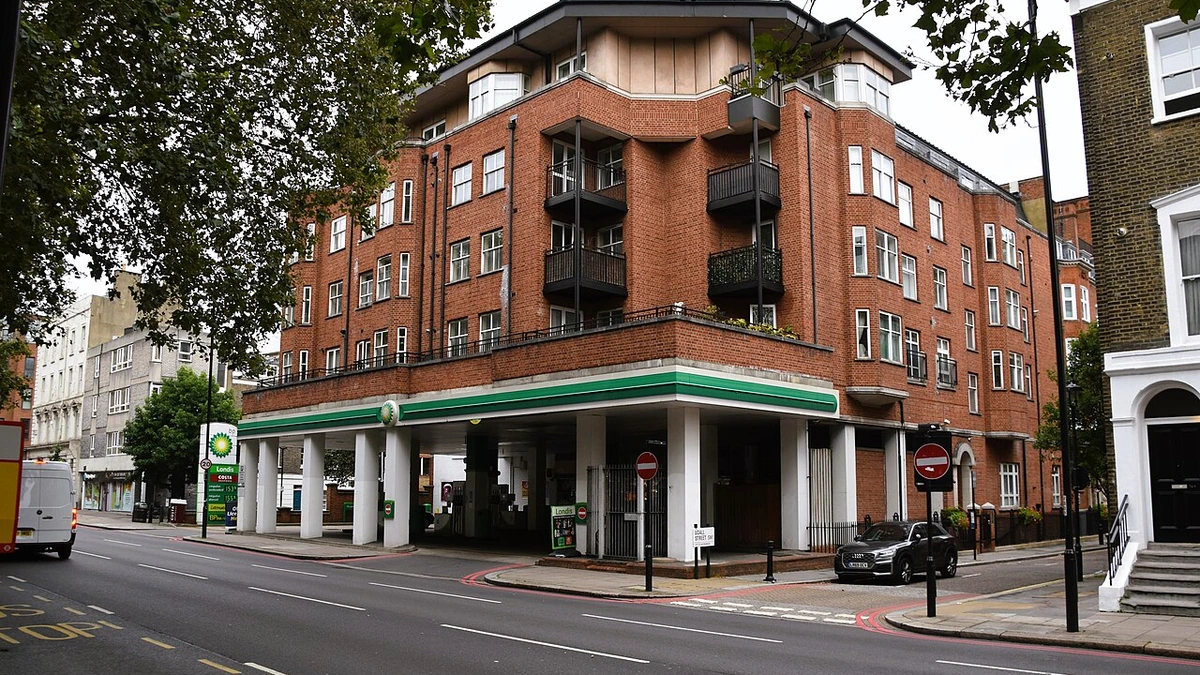
U.K. consumer price inflation rose to 3.1% in August, up from 2.9% in July, as a sharp increase in petrol and diesel prices pushed the headline rate higher for a second consecutive month. Consumer prices increased 0.5% from July, compared with a 0.3% monthly rise in August 2025.
The broader Consumer Prices Index including owner occupiers’ housing costs, or CPIH, increased 3.3% over the 12 months to August, up from 3.1% in July. The latest figures show that much of the acceleration came from goods, especially energy-related costs, rather than a fresh rise in the main core and services measures.
Petrol and diesel prices drove the August increase
The Office for National Statistics said transport, particularly motor fuels, made the largest upward contribution to the change in both CPI and CPIH annual inflation rates. Transport prices rose 4.6% from a year earlier, up from a 3.6% annual rate in July, and increased 1.5% during August alone.
Petrol prices rose by 9.1 pence per litre between July and August, taking the average price to 161.3 pence per litre. The ONS said that was the highest average petrol price since November 2022. Diesel rose even more sharply during the month, increasing by 14.2 pence per litre to an average of 181.8 pence. By comparison, petrol rose just 0.3 pence and diesel 0.8 pence between July and August 2025.
Those moves lifted motor fuel prices 23.0% above their level a year earlier, compared with a 15.5% annual increase in July. Transport as a whole accounted for 0.69 percentage point of the 3.1% CPI inflation rate in August, making it the largest contributing division in the CPI basket.
Air fares added a smaller upward effect. They increased 6.2% between July and August, compared with a 2.1% rise over the same period last year, with the increase concentrated in long-haul routes. Lower prices for some vehicle maintenance and repair services and a decline in international rail fares provided partial offsets.
Energy pressure was not confined to the petrol station. Within CPIH, electricity, gas and other fuels rose 6.0% over the year, with prices increasing 0.9% during August. The ONS attributed the monthly rise to domestic heating oil and some fixed-rate gas and electricity prices.
Core inflation and services were unchanged
The composition of the August increase matters because the measures that strip out some of the most volatile components did not accelerate. Core CPI, which excludes energy, food, alcohol and tobacco, was 2.6% in August, unchanged from July. CPI services inflation also held at 3.4%.
Goods inflation moved in the other direction. The CPI goods annual rate increased to 2.7% from 2.2%, its highest level since September 2025. The ONS said energy, particularly liquid fuels, vehicle fuels and lubricants, made a large upward contribution to the equivalent goods measure in CPIH. That pattern is consistent with the headline rate being pushed higher by energy-sensitive goods even as the core and services readings were stable month to month.
Food and non-alcoholic beverage inflation remained at 1.3% in August. Prices in that category rose 0.4% during the month, the same monthly increase as a year earlier. The food inflation rate was last lower in September 2021, when it stood at 0.8%.
Housing costs provided another source of upward pressure in the broader CPIH measure. Housing and household services inflation increased to 4.3% from 4.1%, while the owner occupiers’ housing costs component rose 3.9% from 3.7%. Those owner occupier costs are included in CPIH but not in CPI, which helps explain why the two headline measures were 3.3% and 3.1%, respectively.
The Bank of England gets the data a day before its rate decision
The timing puts the inflation release directly in front of the Bank of England’s September policy announcement. At its July meeting, the Monetary Policy Committee voted 6-3 to keep Bank Rate at 3.75%, while three members preferred an increase to 4%. The Bank said then that higher and volatile energy prices were creating upside risks to inflation, even as domestic disinflation and a softer labour market were limiting some of those pressures.
The August figures add evidence that the energy shock the Bank had been monitoring is feeding into consumer prices. They do not, on their own, show the broader second-round effects that policymakers have said would be important for the medium-term outlook. Core CPI and services inflation were unchanged, which gives the committee a different signal from the rise in the headline rate and motor fuel prices.
At 3.1%, CPI is now more than one percentage point above the government’s 2% inflation target. Under the monetary-policy remit, that crosses the threshold for an open letter from the Bank governor to the chancellor explaining the deviation and the policy strategy for returning inflation to target. The current remit also sets timing rules for a letter when inflation data are released after an MPC meeting has started but before its minutes are published.
The MPC’s September decision and minutes are due on September 17. The next ONS consumer-price release, covering September inflation, is scheduled for October 21, providing the next official reading on whether the fuel-driven rise is persisting or easing.
More News


Latest News
View all news- Reliance Worldwide Signs Binding Brookfield Scheme Deed, Implied at A$4.75 a Share
- Xenetic Agrees to Acquire Santersus in All-Stock Share Exchange
- Apollo Funds Close €3 Billion Bayer Capital Solution as KKR Joins Investment
- Pagaya Signs $700 Million Auto-Loan Forward-Flow Agreement With Neuberger Specialty Finance
- Trio-Tech Moves Its Stock Listing From NYSE American to Nasdaq
