





Start with what you want the credit card to do
The most useful way to narrow a credit-card search is to decide what problem you want the account to solve. A rewards card is designed to return some value on spending you were already going to make. A long introductory APR card can reduce financing costs for a planned purchase or balance transfer. A secured card is meant to provide a more accessible path into credit when mainstream unsecured products are difficult to qualify for. These goals overlap sometimes, but the trade-offs become much clearer once one of them is the priority.
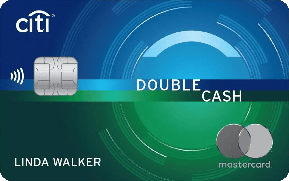
That is why the five cards on this page are intentionally different. Chase Freedom Unlimited is our broad no-annual-fee pick, while Citi Double Cash emphasizes a straightforward flat-rate return. Chase Sapphire Preferred is built for someone who wants travel rewards and is comfortable paying a moderate annual fee. BankAmericard gives up rewards in exchange for a much longer 0% introductory financing window, and Discover it Secured Cash Back is designed around credit building rather than premium benefits.
Starting with the job also prevents a common mistake: choosing for the cardholder you hope to become instead of the finances you have now. A travel card is not automatically valuable because you would like to travel more someday, and a rewards card is a poor bargain if you expect to carry expensive debt. The strongest fit is usually the card whose useful features overlap with behavior that already exists in your budget.
Compare card types before comparing small feature differences
Once the primary goal is clear, compare cards that are trying to solve the same problem. Cash-back cards can be judged largely by how much of your spending earns rewards, how complicated the earning structure is and whether an annual fee cuts into the return. Travel cards add questions about redemption, transfer partners, credits and portal dependence. Financing cards shift the focus toward promotional APR length, transfer fees and the regular APR that follows. Credit-building cards put more weight on costs, reporting and accessibility.
This category-first approach is more useful than treating every five-star card as interchangeable. A highly rated balance-transfer card can be excellent at reducing interest and still be a poor choice for someone whose only goal is travel rewards. Likewise, a travel card with strong transfer options does not become a better debt-payoff tool because its overall rating is high. MarketReview ratings are designed to be interpreted within the role the product is meant to perform.
The flagship list therefore works as a starting point, not as the last word on every use case. Once you know that cash back, travel rewards, 0% financing or credit building is the priority, a narrower Best page can compare more products that compete directly with one another. The broad page should help you choose the lane before asking you to optimize within it.
If you expect to carry a balance, interest comes before rewards
Rewards are easiest to justify when you normally pay the statement balance in full. If you carry debt from month to month, the interest charged on that balance can exceed the value of cash back or points by a wide margin. In that situation, a card chosen primarily for a generous earning rate can become expensive even while it continues posting rewards to the account.
BankAmericard illustrates the opposite trade-off. It does not offer a rewards program, but its current 0% introductory APR lasts 21 billing cycles on purchases and on qualifying balance transfers made within the first 60 days. For someone who has a realistic payoff plan, the interest avoided during a long promotional period can be worth far more than a few percentage points of cash back. Freedom Unlimited offers a shorter 15-month introductory period while still earning rewards, which can be useful when financing is secondary rather than the main purpose of the card.
Balance transfers deserve their own cost calculation because a 0% promotional APR does not necessarily mean the transfer is free. A transfer fee can add hundreds of dollars to a large balance before any interest is charged, and the regular APR matters if debt remains when the promotion ends. Use our balance transfer calculator to estimate the payment needed to finish before the deadline rather than choosing solely on the length of the introductory offer.
Look at the whole rewards structure, not the biggest number
Rewards cards advertise their highest earning rates because those numbers are easy to compare, but the base rate and the breadth of the bonus categories often matter more over a full year. Freedom Unlimited earns at least 1.5% on purchases and more on dining, drugstores and travel through Chase Travel. Citi Double Cash uses a simpler structure that can produce 2% total cash back as you buy and pay. Neither approach is automatically better until you know where your spending falls.
The same caution applies to points. Sapphire Preferred earns more in selected travel and everyday categories, but points are not identical to cash. The value you receive can depend on whether you redeem through Chase, take cash value or transfer to an eligible travel partner. That flexibility can be a strength for an engaged traveler and unnecessary friction for someone who would rather know exactly how many dollars a month of spending produced.
A useful comparison therefore asks three questions at once: how much of the budget earns the higher rate, what the card pays on everything else and how easy the rewards are to use. A card with a modest headline rate can outperform a more exciting product when the better rate applies to more of your real spending or when the alternative requires more management than you want to give it.
An annual fee needs an ongoing reason to exist
A no-annual-fee card has a simple advantage: it does not need to earn back a yearly carrying cost before the rewards become useful. That makes Freedom Unlimited and Double Cash relatively easy to evaluate. Sapphire Preferred charges $95, so the comparison is different. The fee can make sense when the rewards, travel credit and other benefits naturally replace expenses you would otherwise have, but the card should still justify itself after the first-year welcome offer has disappeared.
Benefit valuation is where many premium-card comparisons become too generous. A $100 credit is close to $100 of value when you were already going to make an eligible purchase through the required channel. It is worth less when using it changes where you shop, where you book or how much you spend. The same principle applies to monthly credits, memberships and airport benefits whose full face value may be difficult for some cardholders to use.
Before applying for a fee-based card, imagine the second year rather than the first. Remove the sign-up bonus from the calculation, keep only the credits and perks you realistically expect to use, then compare the remaining value with a strong no-fee alternative. If the card still earns its place, the first-year promotion becomes an extra rather than the entire business case.
Welcome offers should fit spending already in your budget
A large welcome offer can materially improve the first year, but the spending requirement matters as much as the bonus itself. Freedom Unlimited currently asks for $500 of purchases in three months to earn $200, Citi Double Cash requires $1,500 over six months for its $200 offer, and Sapphire Preferred requires $5,000 in three months for its 75,000-point offer. Those are very different commitments even before the rewards currencies are compared.
The safest offer is one you can earn through ordinary or already-planned purchases without carrying a balance. Buying extra items to reach a threshold turns part of the bonus into reimbursement for spending you would not otherwise have made, while interest charges can erase the value even faster. A large planned expense can make a bonus easier to earn, but it should have a clear budget and payoff plan before the credit-card offer enters the picture.
MarketReview treats welcome offers as temporary advantages rather than permanent product features. They can break a close tie between two otherwise strong cards, but a card should remain useful after the bonus posts. Offers also change more frequently than annual fees and core rewards structures, so an evergreen recommendation cannot depend entirely on today's acquisition promotion.
Choose the amount of complexity you will actually manage
Credit-card value is partly about arithmetic and partly about attention. A flat-rate cash-back card asks very little from the cardholder. A travel card can require decisions about portals, transfer partners and credits. A rotating-category card may require activation, while a premium product can come with several benefits that each have their own rules. None of that complexity is inherently bad, but unused complexity is rarely valuable.
Think about how often you want to make a rewards decision after the account is open. Someone who wants one card to use without checking categories may get more practical value from Double Cash than from a product with higher theoretical upside. A traveler who is comfortable comparing redemption paths may reasonably accept more moving parts from Sapphire Preferred because the flexibility is part of the reason for having the card.
The same discipline applies to multiple-card setups. More cards can cover more spending categories and provide a backup when one account cannot be used, but they also create more due dates, benefits and balances to monitor. Add another card when it has a clear job, not because collecting cards has become the strategy by itself.
Your credit profile narrows the field before rewards matter
A strong product is only useful if it is realistically available to you. Issuers make approval decisions using more than one factor, and a credit score alone does not guarantee acceptance, but your credit history can still narrow the set of cards worth considering. Premium rewards products are generally aimed at stronger credit profiles, while secured cards are designed to provide a different path when access to mainstream unsecured credit is limited.
Discover it Secured Cash Back is included on the flagship list for that reason. It requires a refundable security deposit, but it has no annual fee, reports card status to all three major credit bureaus and offers a potential route toward an unsecured Discover account after a qualifying positive track record. The rewards are useful, yet the more important question is whether the account can be managed consistently while building a stronger history.
Prequalification or preapproval tools can sometimes help you gauge potential eligibility before a formal application, though they do not guarantee approval. Be selective about applications rather than treating every attractive offer as a reason for a new hard inquiry. The card should fit both the financial goal and the stage of credit you are currently in.
Avoid the mistakes that make a good card expensive
Aspirational spending is one of the easiest ways to misjudge a credit card. A travel card does not become valuable because you hope to travel more, and a category bonus does not help when your purchases rarely fall into that category. Recent transactions are a better guide than an issuer's benefits page because they show where your money actually goes.
Another mistake is treating rewards as a reason to carry debt. Cash back and points are discounts on spending, not protection from interest. The economics are usually strongest when rewards purchases are paid in full and financing tools are used with a defined payoff plan. Mixing those goals without understanding the cost can turn an otherwise good product into an expensive account.
Finally, do not assume the first card on a Best list is automatically the right one for you. The flagship order favors broad usefulness, while specialized cards can be much stronger for a specific goal. Use the list to identify the role that fits your situation, then compare credit cards side by side within that role before applying.
When one card is enough and when a second card makes sense
There is no rule that says a strong credit-card setup needs several accounts. One card can be enough when it covers most of your spending reasonably well and simplicity helps you monitor purchases, pay on time and avoid juggling multiple rewards systems. Freedom Unlimited is our broadest one-card pick for that reason, while Double Cash is even easier to understand if a consistent flat-rate return matters more than category upside.
A second card becomes more useful when it solves a problem the first card handles poorly. Someone using Double Cash for ordinary spending might add Sapphire Preferred because travel rewards and travel-specific benefits are a separate goal. A person paying down transferred debt could keep BankAmericard focused on the financing plan and put new spending on a different card that is paid in full. The accounts have distinct jobs rather than competing for the same purchase.
The extra value should be large enough to justify the extra account. Another card means another due date, another credit line and another set of terms to monitor, and applying can add a hard inquiry to your credit reports. A two-card setup is useful when the second product fills a clear gap; it is unnecessary when the only difference is a slightly better rewards rate on a small amount of spending.
What to check before you submit an application
Before applying, read the issuer's current pricing and offer terms rather than relying only on a card review or headline information in a comparison table. Confirm the annual fee, purchase APR, introductory APR period, balance-transfer fee if relevant, foreign transaction fee and the exact spending requirement for any welcome offer. Product terms change, and a promotional offer shown through one channel may not always match another.
Then check whether the card's main benefit depends on a condition that matters to you. A travel credit may require booking through a particular portal, a grocery multiplier may exclude certain merchants, and a secured card may require cash to remain tied up as a deposit. These details are not reasons to avoid the card, but they belong in the decision before an application rather than after the account is open.
If the issuer offers a prequalification or preapproval tool, it can be useful as an initial screen, although it does not guarantee final approval. Avoid submitting several applications simply because multiple offers look attractive at the same time. The goal is to open an account that has a clear job and that you expect to keep using responsibly, not to maximize the number of approvals.
A good credit card choice can change over time
The card that fits today may not be the best fit several years from now. A balance-transfer card can be valuable while debt is being paid down and much less useful after the promotional balance is gone. A travel card can lose its appeal if travel becomes less frequent, while a no-fee rewards card can become more useful when simplicity becomes the priority.
Annual-fee cards deserve a deliberate review before each renewal. Look at the benefits you actually used during the previous year rather than the benefits you intended to use when you applied. If the card no longer earns enough incremental value to justify the fee, ask whether the issuer offers a suitable product change or whether another account would better fit the current spending pattern.
Changes made by the issuer can also alter the economics. Rewards categories, credits, transfer partners, fees and promotional terms can change, which is why MarketReview revisits commercial recommendations when a material product change affects the reason a card was selected. Your own review can follow the same principle: keep the card because its ongoing value still fits, not simply because it has been in the wallet for a long time.
Why these cards made the list
This flagship page is meant to cover different credit-card jobs rather than rank several versions of the same product. We looked for cards that make a strong case in broad everyday rewards, flat-rate cash back, flexible travel, long introductory financing and credit building, then compared the costs and trade-offs that matter within each of those roles.
A card did not earn a place simply because it has the richest sign-up offer or the longest benefits list. We gave more weight to the reason someone would keep using the account after the introductory period, including ongoing rewards, financing economics, practical complexity and whether the product still looks competitive once its most eye-catching promotion is removed.