
Credit Card Reviews
Credit card reviews should do more than repeat a rewards rate or list the latest offer. MarketReview looks at how each card works in practice, where its value is strongest, what can reduce that value, and which type of cardholder is most likely to benefit from it.
Browse credit card reviews by type
Start with the reason you are looking for a card. Some reviews are most useful when you are comparing everyday rewards, others when you are weighing travel benefits, introductory financing, or a card designed for someone still building credit. The categories below are simply different paths into the same review library.
Top-rated credit card reviews
Blue Cash Preferred® Card from American Express
Best for High grocery and streaming cash back
High rewards in several household spending categories can make this card valuable for the right budget, but the annual fee means you should check whether your normal spending clears the break-even point.
Read full reviewCapital One Savor Cash Rewards Credit Card
Best for Dining, entertainment and everyday lifestyle spending
A strong fit for spending on dining, entertainment and other lifestyle categories, but its value depends on how closely your regular budget matches the areas where the card earns more.
Read full reviewCapital One Venture X Rewards Credit Card
Best for Premium travel benefits with strong recurring value
A premium travel card with credits, lounge access and transferable miles that can justify its cost for frequent users, while occasional travelers may find the benefit-management burden unnecessary.
Read full reviewAll credit card reviews

Bank of America® Premium Rewards® credit card
Best for: Bank of America customers who can amplify rewards through BofA Rewards
A flexible travel and cash-rewards card whose value can improve substantially for eligible Bank of America relationship customers, while others should weigh the annual fee against simpler alternatives.
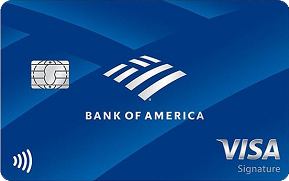
Bank of America® Travel Rewards Credit Card for Students
Best for: Travel and studying abroad with no annual fee
A student-focused travel rewards card with a simple earning structure, suited to new cardholders who want travel-oriented rewards without taking on the complexity of a premium travel program.

Bank of America® Unlimited Cash Rewards credit card
Best for: Bank of America customers who want simple flat-rate cash back
A simple flat-rate cash-back card that becomes more compelling for qualifying Bank of America relationship customers, but otherwise competes in a crowded field of straightforward everyday rewards cards.

BankAmericard® Credit Card for Students
Best for: Students who need a long 0% APR period
A student card centered more on financing and low ongoing complexity than rewards, making it most relevant for applicants who value cost control over earning cash back or points.

BankAmericard®
Best for: Long introductory financing with no annual fee
Built primarily for financing rather than rewards, this card makes the most sense when reducing interest costs matters more than earning points, miles or cash back on new purchases.
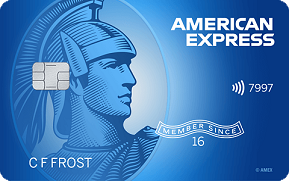
Blue Cash Preferred® Card from American Express
Best for: High grocery and streaming cash back
High rewards in several household spending categories can make this card valuable for the right budget, but the annual fee means you should check whether your normal spending clears the break-even point.

Capital One Savor Cash Rewards Credit Card
Best for: Dining, entertainment and everyday lifestyle spending
A strong fit for spending on dining, entertainment and other lifestyle categories, but its value depends on how closely your regular budget matches the areas where the card earns more.
Capital One Savor Rewards for Students
Best for: Students who spend heavily on dining, groceries and entertainment
A student rewards card aimed at common lifestyle spending such as dining and entertainment, with more earning potential than a bare-bones starter card but a category structure worth understanding first.

Capital One Venture Rewards Credit Card
Best for: Simple, flexible travel rewards with 2X everyday earning
A relatively simple travel-rewards card with flexible miles and transfer options, best for travelers who want more upside than a no-fee card without moving into premium-card complexity.

Capital One Venture X Rewards Credit Card
Best for: Premium travel benefits with strong recurring value
A premium travel card with credits, lounge access and transferable miles that can justify its cost for frequent users, while occasional travelers may find the benefit-management burden unnecessary.

Capital One VentureOne Rewards Credit Card
Best for: No-annual-fee travel rewards with introductory financing
A no-annual-fee way to earn transferable travel rewards, best for lighter travelers who value flexibility but are willing to accept lower earning power than Capital One's fee-based Venture cards.

Chase Freedom Rise®
Best for: Students and people who are new to credit
A starter-oriented Chase card for people establishing credit, with a simple rewards proposition and a potential path into the broader Chase ecosystem as their credit profile matures.

Chase Freedom Unlimited® Credit Card
Best for: Flexible everyday cash back with no annual fee
A versatile everyday rewards card with an easy-to-use core, but its strongest value depends on whether you prefer Chase flexibility over a simpler flat-rate cash-back setup.

Chase Sapphire Preferred® Card
Best for: Flexible travel rewards at a moderate annual fee
A strong entry point into transferable travel rewards, especially for people who will use Chase partners, though the annual fee makes less sense if you prefer simple cash back.

Citi Double Cash® Card
Best for: Simple flat-rate cash back with no annual fee
A straightforward choice for people who want consistent cash back without tracking bonus categories, but cardholders seeking richer travel benefits or category bonuses may find more upside elsewhere.
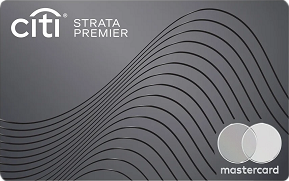
Citi Strata Premier® Card
Best for: Travel and everyday spending with transferable points
A mid-tier travel rewards card with useful bonus categories and transferable points, offering strong earning potential for the annual fee but less premium-travel polish than higher-cost competitors.

Discover it® Cash Back
Best for: Rotating 5% cash back with first-year Cashback Match
Rotating bonus categories can produce strong cash-back returns for engaged cardholders, but activation requirements and quarterly limits make it less effortless than a flat-rate rewards card.

Discover it® Secured Cash Back
Best for: Building or rebuilding credit without giving up cash-back rewards
A secured card that combines credit-building access with real cash-back rewards, but the required security deposit and secured-card structure make it a stepping stone rather than an end-state rewards card.

Discover it® Student Cash Back
Best for: Students who want strong first-year cash back and rotating 5% categories
A student version of Discover's rotating-category approach, offering meaningful reward upside for engaged users while requiring more attention than simpler student cards with fixed earning structures.

IHG One Rewards Premier Credit Card
Best for: IHG loyalists who can use the annual free night and fourth-night-free benefit
A hotel card with the strongest case for people who regularly stay with IHG and can use its recurring hotel benefits, while infrequent IHG guests may prefer more flexible travel rewards.

PenFed Gold Visa® Card
Best for: Lower-fee balance transfers with a 15-month payoff window
A low-frills card aimed at borrowers who care more about financing costs than rewards, making it worth comparing on APR and fee economics rather than on points or premium benefits.

U.S. Bank Shield® Visa® Card
Best for: Long 0% financing with useful no-fee extras
A financing-focused card for people who value introductory APR breathing room more than rewards, with long-term usefulness depending heavily on whether you need the card after the promotional period.
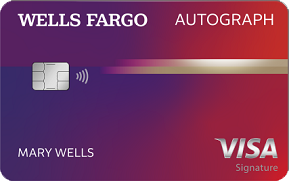
Wells Fargo Autograph® Card
Best for: No-annual-fee bonus rewards across travel and everyday categories
A broad no-annual-fee rewards option for spending across travel, dining and other everyday categories, with enough flexibility to appeal to people who want more than basic flat-rate cash back.
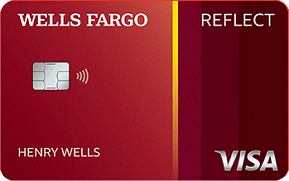
Wells Fargo Reflect® Card
Best for: A longer balance-transfer deadline and 21-month payoff window
A card designed around introductory financing rather than rewards, most useful when a long payoff window is the priority and much less distinctive once the promotional APR period is over.
Start with the job you need the card to do
A credit card can look excellent on paper and still be the wrong choice for the problem you are trying to solve. Before comparing ratings, welcome offers or rewards rates, decide what you actually need the card to do. That single step makes the rest of a review much easier to interpret.
For someone who pays in full every month, rewards, annual fees, redemption options and useful benefits may deserve most of the attention. For someone moving expensive debt, the better question may be how long an introductory financing period lasts, what a transfer costs, and what happens if a balance remains after the promotional period ends. A student or new-to-credit applicant has a different decision again: approval fit, fees, simplicity and the card's usefulness after the first stage of credit building can matter more than maximizing rewards.
This is why MarketReview does not treat every strong card as interchangeable. A travel card can earn a high rating because it offers valuable transfer options and benefits for frequent travelers, while a simpler cash-back card may still be the better choice for someone who does not want to manage points. Likewise, a card built around introductory financing can be highly useful even if its long-term rewards are limited. The review should help you understand what the card is trying to be good at before you judge how well it succeeds.
Use the directory as a way to narrow the question, not as a scoreboard. If you are unsure where to begin, choose the category that best matches the next financial decision you need to make. Once you are inside an individual review, pay particular attention to the parts that affect that decision and spend less time on features you are unlikely to use.
A rating is a starting point, not the final answer
Ratings are useful because they compress a large amount of analysis into a quick signal. They are less useful when they are treated as a universal instruction to apply. Two cards can receive similar ratings while serving very different people, and a lower-rated card can still be the better fit for a specific spending pattern, financing need or preference for simplicity.
When reading a MarketReview review, look at the rating together with the Best For label, the verdict and the drawbacks. Those pieces explain the context behind the score. A card may be very competitive within its category but still carry an annual fee that only makes sense if you use its benefits. Another may have fewer premium features but be easier to keep for years because there is little ongoing cost or maintenance. The number alone cannot tell you which tradeoff you prefer.
It also helps to separate product quality from personal value. A well-designed premium travel card can deserve a strong editorial rating even if you rarely travel. A straightforward flat-rate cash-back card can be less ambitious and still be more valuable in your wallet. The same principle applies to financing cards: a card with a compelling introductory offer can solve an immediate debt-payoff problem even if it is not the card you would choose for long-term spending.
This is one reason the individual reviews are intentionally more detailed than the directory. The hub helps you find the right candidates; the review explains what the rating actually means for that card. If the verdict sounds attractive but the drawbacks describe your normal behavior, take the drawbacks seriously. A useful review should make it easier to reject a card that is impressive in general but poorly matched to you.
Compare value on the same clock
Credit cards often look best at different points in time. One may lead with a large welcome offer, another with a long introductory APR period, and another with rewards that become more valuable only after years of ordinary spending. Comparing those features without putting them on the same timeline can make a card look better than it really is for your situation.
Start by separating first-year value from ongoing value. A welcome offer can make the first year unusually rewarding, but it is normally earned once. Statement credits can offset an annual fee, but only if you can use them without changing your behavior simply to justify the card. Introductory financing can be valuable for a planned purchase or balance transfer, but that value has an expiration date. By contrast, a simple rewards structure or a useful recurring benefit may matter every year you keep the account.
Then look at what the card asks from you in return. Some rewards require category activation, spending caps, portal bookings or specific redemption methods. Premium cards may offer enough credits to offset much of their fee, but the headline arithmetic can be misleading if those credits do not match purchases you would otherwise make. A no-annual-fee card can have lower upside while still producing better real-world value for someone who wants fewer conditions.
The right comparison period depends on why you are applying. If the card is mainly for a balance transfer, the promotional window and your payoff plan are central. If it is a long-term rewards card, look beyond the first-year bonus and ask whether the everyday earning structure still makes sense in year two and year three. If you are considering a premium card for travel benefits, think about how often you will actually use the benefits rather than assigning every advertised perk its maximum face value.
A good review should make those timelines visible. It should not let a one-time offer overwhelm weaker ongoing economics, and it should not dismiss a strong first-year benefit when that benefit directly solves the reader's immediate need. The point is to compare like with like.
Look for friction, not just features
The most important difference between two cards is sometimes not what they offer, but how much work it takes to receive the value they advertise. Reviews become more useful when they identify that friction clearly.
Rewards can be simple or demanding. A flat-rate card may require almost no planning. A category card can earn more in the right places but may have caps, rotating categories or activation requirements. Travel rewards can offer more upside, yet extracting that value may involve transfer partners, award availability, travel portals or a willingness to learn a redemption system. None of those approaches is automatically better. The question is whether the extra effort fits the way you already manage your money.
Benefits have friction too. A credit that arrives automatically is different from one that requires enrollment, a specific merchant, a monthly use pattern or booking through a particular channel. Lounge access can be valuable for a frequent traveler and nearly irrelevant for someone who takes one trip a year. Hotel benefits can be worthwhile for a loyal customer while adding little for a traveler who chooses properties mainly by price. The review should distinguish between benefits that are easy to use and benefits whose value depends on a narrow routine.
Even a strong rewards rate can come with practical limits. Spending caps may reduce the effective return for a high spender. Bonus categories may exclude purchases that sound similar but code differently. Redemption restrictions can make points less flexible than cash. A card that appears complicated is not necessarily bad, but complexity should earn its keep.
When you read an individual review, pay attention to words such as activation, cap, eligible purchase, portal, credit, transfer and redemption. Those details often explain the difference between theoretical value and value you are likely to capture. The best card for you is not the one with the longest benefit list. It is the one whose useful benefits you can obtain without continually reorganizing your spending around the card.
When financing matters more than rewards
Rewards attract attention because they are easy to compare, but they should not dominate a decision when you expect to carry a balance. Interest charges can overwhelm the value of cash back, points or miles very quickly. If financing is the reason you are shopping for a card, read the financing section of the review before the rewards section.
For a balance transfer, focus on the length of the introductory period, the transfer fee, the time allowed to complete a qualifying transfer and the APR that can apply after the promotion. The longest advertised window is not automatically the cheapest option. A shorter offer with a lower transfer cost may be better for someone who can repay the balance quickly, while a longer runway may matter more to someone who needs additional months to finish the payoff.
The same principle applies to introductory purchase APR offers. A promotional period can provide useful flexibility for a planned expense, but it should be paired with a realistic repayment plan. The card becomes much less attractive if the balance survives into a high ongoing APR. Reviews should therefore treat the end of the promotion as part of the product, not as a footnote.
Cards designed primarily for financing may offer little in the way of rewards, and that is not automatically a weakness. If the card materially reduces borrowing costs and helps you pay down debt, rewards may be beside the point. Conversely, a rich rewards card is a poor substitute for an appropriate financing tool when interest is likely to accrue. The purpose of the card should determine which features deserve the most weight.
A useful review should help you rule cards out
A review is not doing enough if every card sounds attractive by the end. Product pages are designed to explain why a card is appealing. Independent reviews should also make the reasons to walk away easy to see.
That means looking for the limiting condition behind the headline benefit. A high rewards rate may apply only to a narrow slice of spending. A premium card may justify its fee only for someone who uses several benefits consistently. A travel card may be flexible within one rewards ecosystem but less useful for someone who wants straightforward cash back. A starter card may be appropriate during credit building but become less competitive once the cardholder qualifies for stronger options.
The drawbacks section is especially useful when you read it as a self-screening tool. Ask whether the stated weakness describes something occasional or something you will encounter every month. An annual fee that is easily offset by benefits you already use is different from a fee you have to manufacture spending to recover. A rewards cap that rarely affects your budget is different from one you will hit halfway through each quarter. A complex redemption process can be acceptable if you enjoy optimizing travel, but frustrating if your priority is simplicity.
This is also why we do not try to crown one card as the correct answer for every reader. The best outcome from a review can be deciding not to apply. Eliminating a card that does not fit your habits is useful progress, even when the product itself is strong.
Recheck the terms that can change before you apply
Credit card economics are not static. Welcome offers can change, APR ranges can move, issuers can revise benefits, and a card that was compelling several months ago may now have a different value proposition. Reviews provide analysis and context, but the final application decision should use the current issuer terms.
Pay particular attention to the details that are most likely to affect your cost or eligibility. Confirm the annual fee, current APR information, introductory financing terms, balance-transfer fee, foreign transaction fee and the requirements for any welcome offer you expect to earn. If a review discusses credits, lounge access, transfer partners or other major benefits, verify that the benefit still exists and that you understand any enrollment or usage requirements.
Eligibility can matter just as much as pricing. Issuers may apply their own underwriting standards, bonus restrictions and product-family rules, and a review cannot promise approval. A strong product fit is not the same thing as guaranteed eligibility. If a welcome offer is central to your decision, make sure you understand the issuer's current language before submitting an application.
MarketReview reviews are intended to make that final verification easier by separating the durable question, whether the card's structure makes sense for you, from the terms that can move over time. Read the analysis first, then check the issuer's current application page before acting. That order helps prevent a temporary promotion from becoming the entire reason you choose a card.
Reviews or Best guides?
Start with an individual review when you already have a card in mind and want to understand its strengths, drawbacks, costs and fit in more detail.
Browse reviews → Choosing among several cards?Still deciding which cards belong on your shortlist?A guide is the faster route when you want MarketReview to compare several strong options for the same goal before you open individual reviews.
See our Best Credit Cards →How MarketReview reviews credit cards
Our credit card reviews start with current issuer information and product disclosures, then examine how the card's costs, rewards, financing terms, benefits and restrictions affect its usefulness for the people it is designed to serve. The rating is an editorial assessment of the product in context, not a measure of how much an issuer pays or whether a commercial relationship exists.
We do not assume that the card with the biggest bonus, highest advertised rewards rate or longest feature list is automatically better. The review looks at tradeoffs, including annual fees, redemption friction, financing costs, limits on earning, benefit usability and the value the card can provide after introductory incentives end. A product can score well while still being a poor fit for a particular reader.
Because card terms can change, we distinguish between analysis that remains useful over time and details that should be confirmed before applying. Our credit card review methodology explains the principles behind the ratings and the standards we use when evaluating individual products.