
Viatris Agrees to Acquire Pacira BioSciences for $1.65 Billion
The $36.50-a-share cash offer would add Exparel and Zilretta to Viatris' pain portfolio, with the acquisition expected to close by year-end.
Our editorial standards
MarketReview publishes clear, independently produced financial information using reliable sources and transparent editorial standards.
Read our Editorial Policy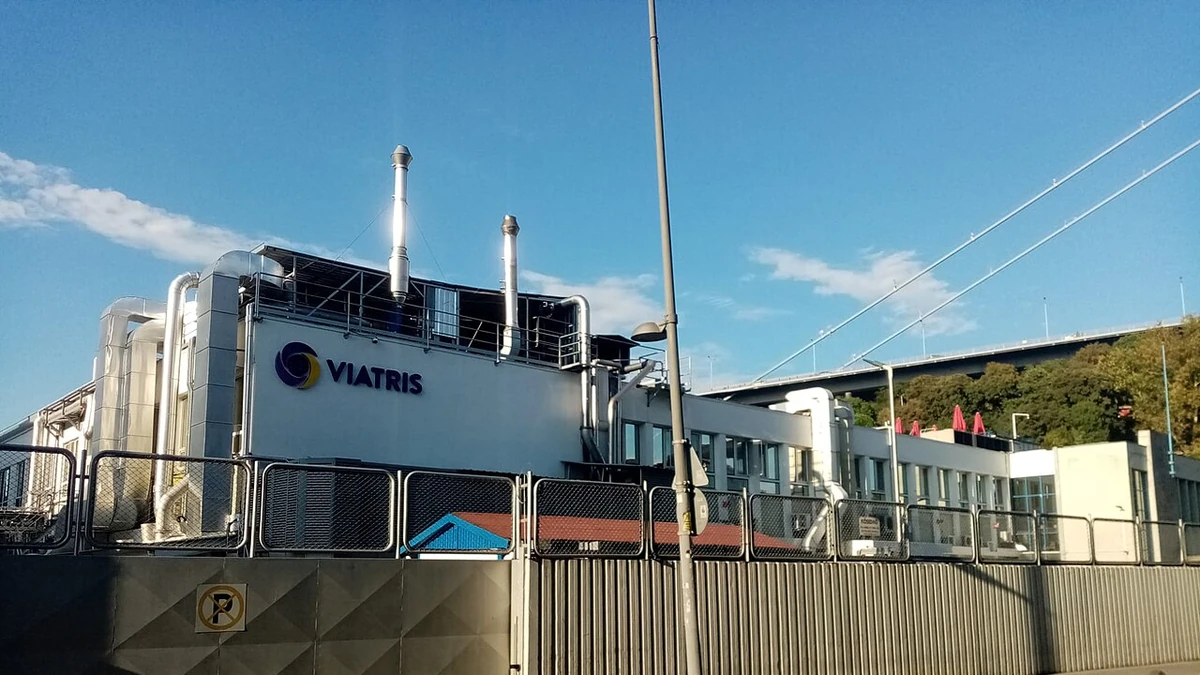
Viatris agreed Thursday to acquire Pacira BioSciences for $1.65 billion in cash, a purchase that would bring two marketed non-opioid pain medicines into Viatris’ expanding innovative-drugs business. The companies set the price at $36.50 for each Pacira share and expect to complete the acquisition by the end of 2026, subject to shareholder participation and regulatory conditions.
The proposed purchase centers on Exparel, a long-acting local anesthetic used in postsurgical pain management, and Zilretta, an extended-release injection for osteoarthritis pain in the knee. Both already generate revenue in the United States. That distinguishes this acquisition from a bet built principally around an experimental drug that has not yet reached the market.
The announced $1.65 billion is the aggregate equity value of Pacira’s shares, rather than a stated enterprise value incorporating its debt and cash. Pacira would become a wholly owned Viatris subsidiary only after the planned purchase is completed. Until then, the two companies remain separate, and the proposed acquisition is not a completed takeover.
The companies’ October 8 announcement said both boards unanimously approved the agreement. Viatris is seeking established specialty medicines and commercial capabilities that complement its broader portfolio. For Pacira stockholders, the immediate issue is the price of the cash offer and whether the conditions needed to close it can be met.
The tender offer comes before the merger
Viatris plans to launch a tender offer for all outstanding Pacira common shares at $36.50 apiece. Once that offer is completed, the companies intend to use a second-step merger to acquire any shares not tendered, at the same cash price. The structure makes this an acquisition of Pacira by Viatris, even though a merger is part of the legal mechanism used to finish the purchase.
Pacira’s board has recommended that stockholders tender their shares. Completion requires, among other things, that a majority of Pacira’s outstanding shares be tendered and that the applicable regulatory waiting period expire. Neither board approval nor the announcement itself satisfies those conditions. The companies have given a year-end closing expectation, not a guarantee of a closing date.
If the purchase closes as planned, Pacira will no longer trade independently on the Nasdaq Global Select Market. Its common stock currently trades under the PCRX symbol, while Viatris trades as VTRS. Investors should distinguish the cash consideration promised to Pacira shareholders under the proposed terms from any future investment return Viatris may earn from owning the business.
Exparel and Zilretta provide the operating business
Exparel is a liposomal formulation of bupivacaine used for certain forms of local or regional pain relief following surgery. Zilretta is an extended-release formulation of the corticosteroid triamcinolone acetonide injected into the knee for osteoarthritis pain. They address different clinical needs, but both give Viatris an established position in non-opioid pain treatment without waiting for a new drug to pass its first regulatory review.
The commercial scale is visible in Pacira’s second-quarter results filed with the SEC. Exparel generated $147.8 million in net product sales during the three months ended June 30, 2026, up 3% from $142.9 million a year earlier. Zilretta contributed $32.6 million, up 4% from $31.3 million. Together, the two medicines accounted for most of Pacira’s $192.4 million in quarterly revenue.
There is an important distinction between higher demand and higher sales proceeds. Pacira said Exparel’s unit volume increased 4% in the quarter, but changes in vial mix and expanded discount arrangements with group purchasing organizations limited the increase in net sales to 3%. This shows why the future economics of the products will depend on realized pricing and commercial terms as well as their use in medical settings.
Pacira’s total second-quarter revenue rose 6% from $181.1 million a year earlier. Profit measures were mixed: the company reported $4.7 million in net income under generally accepted accounting principles, compared with a $4.8 million loss a year earlier, but adjusted EBITDA fell to $48.7 million from $54.3 million. Adjusted EBITDA is a company-reported non-GAAP measure, not the same as net income or cash flow.
For the 12 months ended June 30, Pacira generated approximately $746 million in revenue and $177 million in adjusted EBITDA, according to the acquisition announcement. Those figures provide a measure of the business Viatris expects to add. They should not be used by themselves to produce an enterprise-value multiple, because the headline $1.65 billion figure refers to equity and does not settle the treatment of cash and debt in such a calculation.
Pacira had also reshaped its portfolio shortly before agreeing to be acquired. It completed the sale of its iovera pain-treatment device business to Zimmer Biomet on July 31. Its August financial outlook consequently reflected iovera sales only through that date. Pacira then projected $735 million to $760 million in full-year 2026 revenue and $600 million to $620 million in Exparel net product sales; those were forecasts issued before the Viatris agreement, not guaranteed results.
Beyond the marketed medicines, Pacira has an investigational gene-therapy program called PCRX-201 for knee osteoarthritis. In August, it described the treatment as being studied in a Phase 2 trial. That development work adds a possible longer-term opportunity, but it remains distinct from the commercial revenue already coming from Exparel and Zilretta. Clinical testing is not an assurance of regulatory approval or a future product launch.
Cash funding and two near-term milestones
Viatris expects to fund most of the purchase from excess cash and the remainder through short-term borrowing. Interim finance chief Paul Campbell said the company anticipates minimal effect on its gross leverage ratio. That is a forecast about the financing plan, not evidence that taking on additional borrowing is cost-free. The actual balance-sheet impact will depend on the financing used and the position of both companies when the purchase closes.
Management also expects the acquisition to improve its financial guidance metrics immediately after completion, including revenue, adjusted EBITDA and adjusted earnings per share. Viatris has pointed to potential cost and revenue benefits from owning Pacira, but those benefits are prospective. The purchased products have existing sales, while future margins and earnings contributions still depend on commercial performance and the expenses of running the enlarged business.
An international opportunity is part of Viatris’ reasoning. The company intends to use its overseas infrastructure to expand Exparel and Zilretta into selected markets. The acquisition announcement does not turn that plan into an established stream of international sales, however. Product availability and commercial uptake outside the United States will depend on the markets chosen and the applicable regulatory and reimbursement requirements.
Viatris is also developing its own fast-acting oral meloxicam formulation for moderate-to-severe acute pain. The Food and Drug Administration accepted the application for review in May and assigned a December 27, 2026, review goal date, according to Viatris. The drug remains investigational and has not been approved. Its potential connection with Pacira’s marketed portfolio is part of the buyer’s strategy, not a benefit that has already materialized.
Investors have two more concrete events to follow. Viatris plans to report third-quarter financial results on November 5 and said its executives will discuss the Pacira agreement on the same day’s conference call. The companies must also prepare the tender-offer documents for filing with the SEC when the offer begins. Those documents will provide Pacira holders with the formal terms they need to assess before tendering shares.
The companies continue to target completion by the end of 2026. That timetable rests on the tender offer meeting its minimum-share condition and the required regulatory waiting period expiring. Until those steps are completed, Viatris’ ownership of Pacira and the financial benefits it expects from the acquisition remain prospective.
More from Investing


Latest News
View all news- U.S. Initial Jobless Claims Fall to 197,000 as Layoffs Remain Historically Low
- New Zealand Household Net Worth Falls NZ$8.4 Billion in June Quarter
- Main Street Capital Originates $157.2 Million of New or Increased Private-Loan Commitments in Q3
- German Exports Fall 0.8% in August as Trade Surplus Narrows to €19.5 Billion
- Devon Energy Agrees to Sell Eagle Ford Assets to Crescent Energy for $4.2 Billion
