UK Inflation Accelerates to 3.5% in September as Fuel Costs Add Pressure
Petrol and diesel reached their highest average prices since 2022, while core and services inflation also rose ahead of the Bank of England’s November policy decision.
Our editorial standards
MarketReview publishes clear, independently produced financial information using reliable sources and transparent editorial standards.
Read our Editorial Policy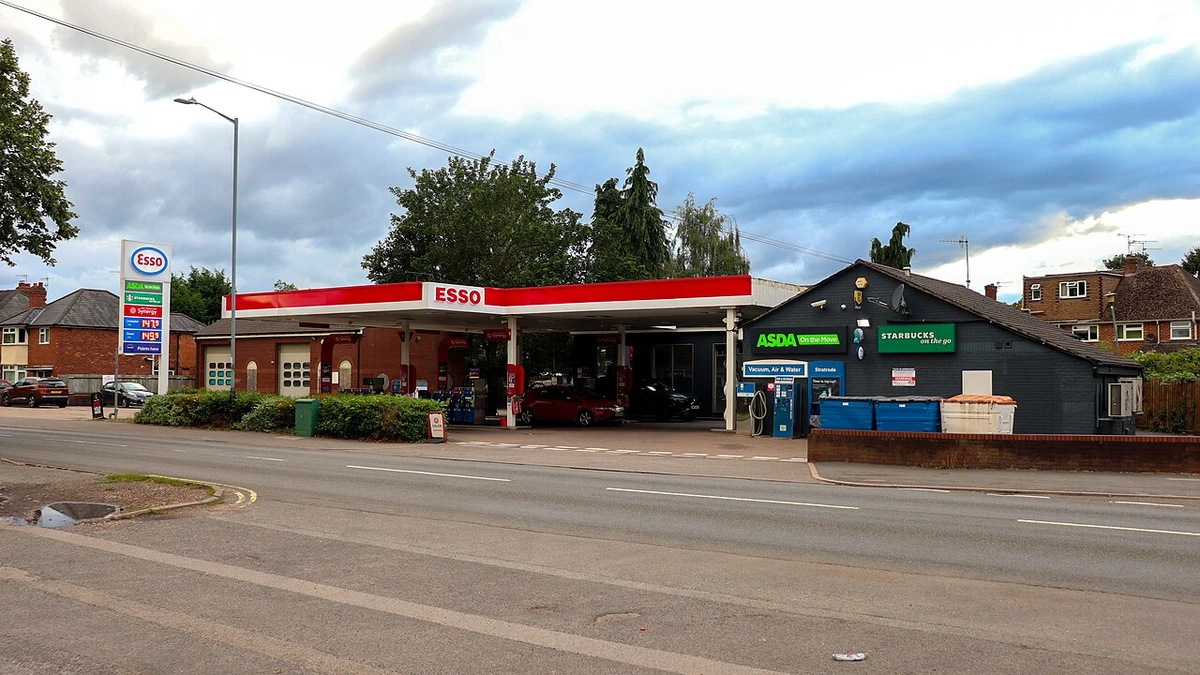
UK consumer price inflation accelerated to 3.5% in September, its highest reading since October 2025, as rising petrol and diesel prices pushed the annual rate further above the Bank of England’s 2% target. The increase from 3.1% in August puts another month of price pressure in view ahead of the central bank’s next interest-rate decision.
The Office for National Statistics (ONS) said Wednesday that consumer prices rose 0.4% over the month. They had been unchanged in September 2025. The stronger monthly increase this year lifted the 12-month measure even though several parts of the basket, including some transport costs, became cheaper between August and September.
Transport accounted for the largest upward change in the annual inflation rate. Prices for restaurants and hotels moved in the opposite direction, providing the biggest offset. Beneath the headline, a rise in core and services inflation also warrants attention because those measures help indicate whether price pressure extends beyond a volatile fuel market.
Fuel prices drove the September increase
At petrol pumps, the scale of the increase was clear. Average petrol prices climbed 8.2 pence a litre between August and September to 169.5 pence, the highest since August 2022, according to the ONS’s September inflation bulletin. Diesel rose by 10.7 pence a litre to 192.5 pence, its highest level since July 2022.
Compared with a year earlier, motor fuel prices were 29.8% higher in September, up from an annual increase of 23.0% in August. Inflation for transport as a whole increased to 6.6% from 4.6%. That made petrol and diesel central to the jump in headline inflation rather than merely another category with higher prices.
The annual and monthly numbers tell different stories. Overall transport prices fell 0.4% in September, but they had fallen 2.3% in the same month last year. Because this September’s decline was much smaller, the annual rate accelerated. A smaller monthly fall can still translate into a higher year-over-year inflation rate.
Air fares added a smaller upward influence on the annual comparison. Ticket prices declined 19.5% during September, a smaller drop than the 28.8% decline recorded a year earlier, with European routes driving much of that difference. Second-hand car prices and roadside recovery costs supplied some downward offsets within transport.
The ONS figures establish where prices changed, but do not identify every underlying cause. In September, the Bank of England linked increases in crude oil and refined energy prices to the prolonged conflict in the Middle East. It warned that those markets remained volatile, a relevant backdrop to fuel costs reaching UK households.
Core and services inflation also picked up
The underlying measures were not flat. Core CPI, which excludes energy, food, alcohol and tobacco, increased to 2.8% in September from 2.6% in August. Services inflation rose to 3.7% from 3.4%, while goods inflation picked up to 3.2% from 2.7%. Those changes do not establish that a fuel shock has spread through the economy, but they complicate the picture for policymakers assessing how persistent inflation could become.
Recreation and culture inflation reached 2.3%, compared with 1.6% a month earlier. The ONS identified live music and downloads of computer games among the contributors. On the CPI measure, housing and household services inflation also rose to 5.3% from 4.9%, providing another example of price pressure beyond transport.
Food offered a contrasting picture. Food and non-alcoholic drinks prices were 1.3% above their level a year ago, matching the August rate, and fell 0.2% on the month. The ONS also reported restaurant and hotel inflation easing to 3.8% from 4.1%, partly because hotel prices rose less quickly than a year earlier.
A lower inflation rate does not necessarily mean the overall price level has returned to where it stood before earlier increases. Food inflation of 1.3% still indicates that the category cost more than in September 2025, even though average prices dipped during the latest month. These distinctions matter when comparing the cost of groceries and travel over different periods.
Another gauge, CPIH, rose to 3.6% from 3.3%. CPIH includes owner-occupiers’ housing costs and Council Tax, which are omitted from CPI. Its owner-occupier housing component rose 4.0% over the year, up from 3.9% in August. CPI remains the inflation measure used for the Bank of England’s target, making its 3.5% reading the immediate policy focus.
November interest-rate decision comes into focus
At its September policy meeting, the Bank of England kept Bank Rate at 3.75%, with six policymakers voting to hold and three voting for an increase to 4.0%. The split showed disagreement about how quickly to respond to the rise in energy prices. That decision was taken before the September inflation figures became available.
The Bank’s assessment was more nuanced than a simple argument for higher rates. Policymakers saw upside risks from energy costs, especially if households and businesses began incorporating them into wage demands and future prices. Yet the majority also pointed to subdued labour-market conditions and higher market borrowing rates as sources of restraint. At the time, they saw little evidence of material knock-on effects on wages and prices.
In the same minutes, the Bank reported that quoted two-year fixed mortgage rates were about 0.95 percentage points higher than before the conflict. That observation reflected conditions discussed in September, not a fresh October mortgage quote. Borrowing costs can tighten even without an immediate change in Bank Rate as lenders and financial markets adjust to interest-rate expectations.
A rate increase would not directly lower world oil prices. The Bank’s concern is whether the initial energy shock leads to a more lasting increase in domestic prices and wages. Keeping rates higher can restrain demand but also raises financing costs for borrowers, making inflation’s persistence central to the committee’s choice.
The Bank’s next scheduled policy announcement is on November 5. The ONS is due to release October inflation figures on November 18, after that meeting. Policymakers will therefore weigh September’s acceleration alongside other evidence available by November 5, while the next CPI release will provide a later check on whether fuel-led inflation pressure has persisted.
More News



Latest News
View all news- Philadelphia Fed Survey Shows Business Cost Pressures at Highest Since February 2023
- Freeport-McMoRan Subsidiary Completes $750 Million Bond Sale to Refinance Debt
- Home Prices Rise 2.5% Annually but Stall in September, FHFA Reports
- Case-Shiller Home Price Growth Holds at 2.1% as Regional Markets Diverge
- Best Buy Raises Annual Earnings Outlook as Quarterly Sales Grow 5.8%