U.S. Opens Final 100,000-Ton Beef Import Quota as Food Prices Remain Under Pressure
The final phase of a 300,000-ton expansion covers lean beef trimmings, with customs entries opening November 2 as ground-beef prices remain above year-earlier levels.
Our editorial standards
MarketReview publishes clear, independently produced financial information using reliable sources and transparent editorial standards.
Read our Editorial Policy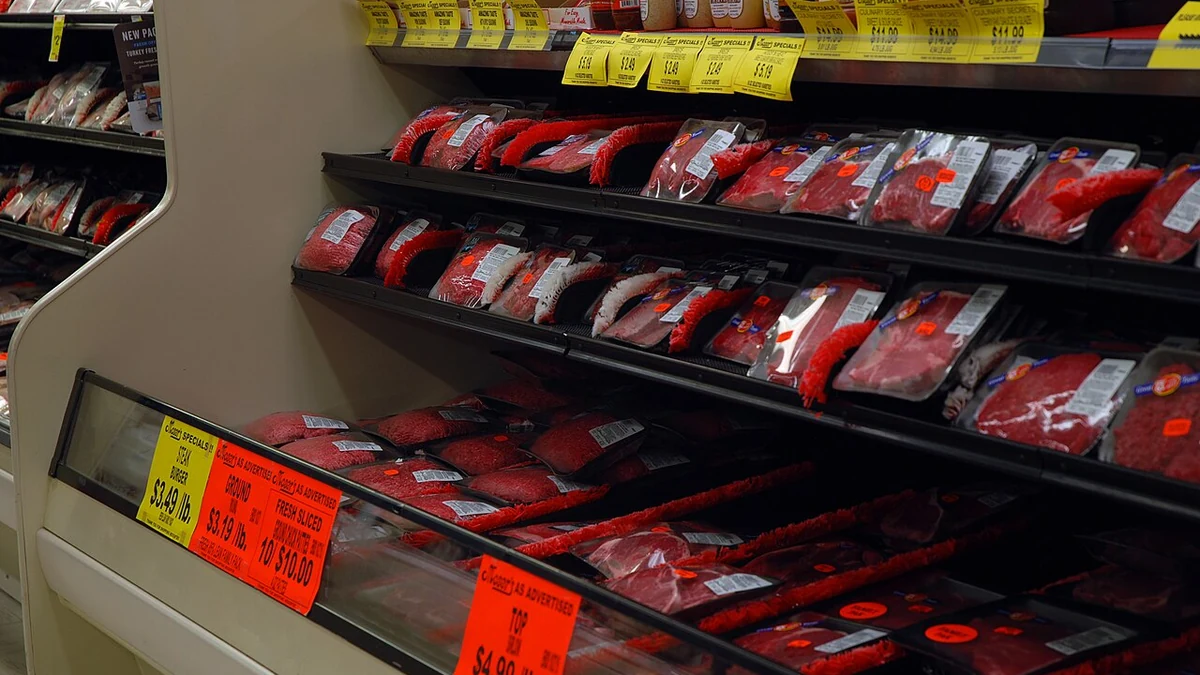
The United States has entered the final 100,000-metric-ton phase of a temporary expansion of its beef import quota, allowing more lean beef trimmings to qualify for lower in-quota duties as the government seeks to ease pressure on ground-beef supplies. The quota period begins Saturday, October 31, although customs officials have scheduled the opening of import entries for Monday, November 2.
This is the last installment of a 300,000-metric-ton increase announced in August, not an additional 100,000 tons beyond that decision. It applies to particular categories of lean processing beef rather than every type of imported beef, and the window can close before November 30 if the allotment is exhausted.
The measure comes as beef remains more expensive than a year ago despite a recent monthly decline in grocery-store prices. More room for imports could help processors obtain an ingredient widely used in ground beef, but it does not establish how much product will arrive or how quickly any savings might reach consumers.
The quota period starts October 31, but entry opens November 2
The August 26 presidential proclamation divided the additional 300,000 metric tons into three blocks of 100,000 each. The first covered September 1 through September 30, and the second ran from October 1 through October 30. The third is scheduled for October 31 through November 30, or until its allocation is filled, whichever comes first.
Customs operations have a different date from the legal quota window. In an October 20 notice, U.S. Customs and Border Protection set November 2 as the opening date for entries under the third installment. That distinction matters for importers planning shipments around the availability of the lower in-quota tariff.
CBP said qualifying entries submitted after 12:01 a.m. local port time and before 8:30 a.m. Eastern Time on the opening day receive an 8:30 a.m. entry time for quota purposes. If accepted entries for a tariff classification group exceed its available limit at that point, the agency will prorate them. Entry into the period therefore does not guarantee that every shipment will receive the full quota treatment sought by its importer.
The eligible products are lean beef trimmings covered by four specified Harmonized Tariff Schedule statistical reporting numbers. The proclamation assigns the added 300,000 metric tons to the tariff schedule category described as “other countries or areas.” It also leaves untouched a separate 80,000-metric-ton expansion for Argentine lean beef trimmings announced earlier in the year.
These are tariff-rate quota rules, not a requirement that American companies buy the entire authorized quantity. The increase creates additional space for qualifying beef to enter at the in-quota rate; actual imports still depend on overseas supply, commercial orders and completed customs entries. The quantity available under the policy should not be confused with a confirmed volume already delivered to U.S. meat processors.
Why the additional imports target lean beef trimmings
The policy focuses on an ingredient used to make ground beef rather than on retail steaks or roasts. U.S. meat processors commonly blend lean trimmings with fattier beef to produce ground meat with the desired fat content. More access to lean processing beef can be especially useful when domestic supplies of that ingredient are tight.
The Department of Agriculture explains that a large share of U.S. beef imports is destined for ground-beef blending. Its cattle-market research also describes how the supply of lean trimmings changes over the cattle cycle: cows generally provide leaner processing beef, while fed cattle yield more of the fattier material that can be mixed with it. As producers retain animals to rebuild herds, fewer cows may be slaughtered, which can increase demand for lean beef from abroad.
That trade pattern helps explain why the United States can produce and export large amounts of beef yet still import substantial quantities for processing. The extra quota addresses a specific input in the ground-beef market, not a general shortage of every beef cut. It is also distinct from an increase in live cattle imports, which affects the domestic supply chain on a different timetable.
In its October cattle-market outlook, USDA anticipated that a slow slaughter pace would continue through 2027. It lowered its beef production forecasts slightly for both 2026 and 2027 compared with the previous month, even after allowing for more cattle imports following the reopening of two ports of entry. The department also raised its beef import forecasts modestly, citing recent trade figures and September customs data for the lean-beef quota.
The administration cited limited cattle supplies and demand for ground beef when it authorized the larger quota. Its proclamation also referred to animal-health restrictions affecting cattle entering from Mexico and to drought and wildfire risks in producing regions. Those circumstances help explain the decision to expand access to imported processing beef, although the precise retail-price effect of the policy remains unmeasured.
Beef inflation remains visible at the grocery counter
The latest available Consumer Price Index figures show why ground beef is a particular focus. According to the Bureau of Labor Statistics, the index for uncooked ground beef was 5.4% higher in September than a year earlier. The broader beef-and-veal category was up 3.5% over the same period, compared with a 1.8% increase for food purchased for consumption at home.
There was some near-term relief. The seasonally adjusted ground-beef index fell 0.8% from August to September, while the broader beef-and-veal index declined 1.0%. Those monthly declines do not erase the year-over-year increase, and the two comparisons use different bases: monthly figures are seasonally adjusted, while the 12-month changes are not.
The tariff change operates at the import stage, not at the supermarket checkout. Whether retailers charge less depends on the price and quantity of beef arriving, the cost of blending and processing it, transportation expenses and the decisions made by wholesalers and stores. It would be premature to describe the extra quota as a retail price cut or to assign any observed movement in the beef-price index to this final installment before its entries have been processed.
There is another condition attached to the expansion. The August proclamation directs USDA and the U.S. Trade Representative to monitor whether lean trimmings brought in under the additional quota are sold at a price 25% below the market price for that product. If they conclude that the condition is not being met, they must inform the president, who may decide to cancel the unused portion. The provision does not require grocery stores to reduce ground-beef prices by 25%.
For importers, the immediate milestone is CBP’s November 2 entry opening. For consumers, the more meaningful evidence will come later from actual import volumes and subsequent beef prices. Unless the allocation fills sooner or is otherwise ended under the proclamation, the third window is scheduled to close on November 30.
More News


Latest News
View all news- New PBGC Pension Valuation Spreads Take Effect for Terminating Plans
- Three State Street SPDR Bond ETFs Adopt New Names on October 31
- Taiwan Launches Expanded Credit-Information Sharing Between Banks and Securities Firms
- New Zealand Eases Trustee Requirements for Four Retirement Schemes
- France Reopens Agricultural Diesel Aid Claims With New November Deadline