
France Reopens Agricultural Diesel Aid Claims With New November Deadline
Eligible agricultural and forestry businesses can file missed claims for April through June 2026 diesel deliveries until November 30, with different payment rates applying by month.
Our editorial standards
MarketReview publishes clear, independently produced financial information using reliable sources and transparent editorial standards.
Read our Editorial Policy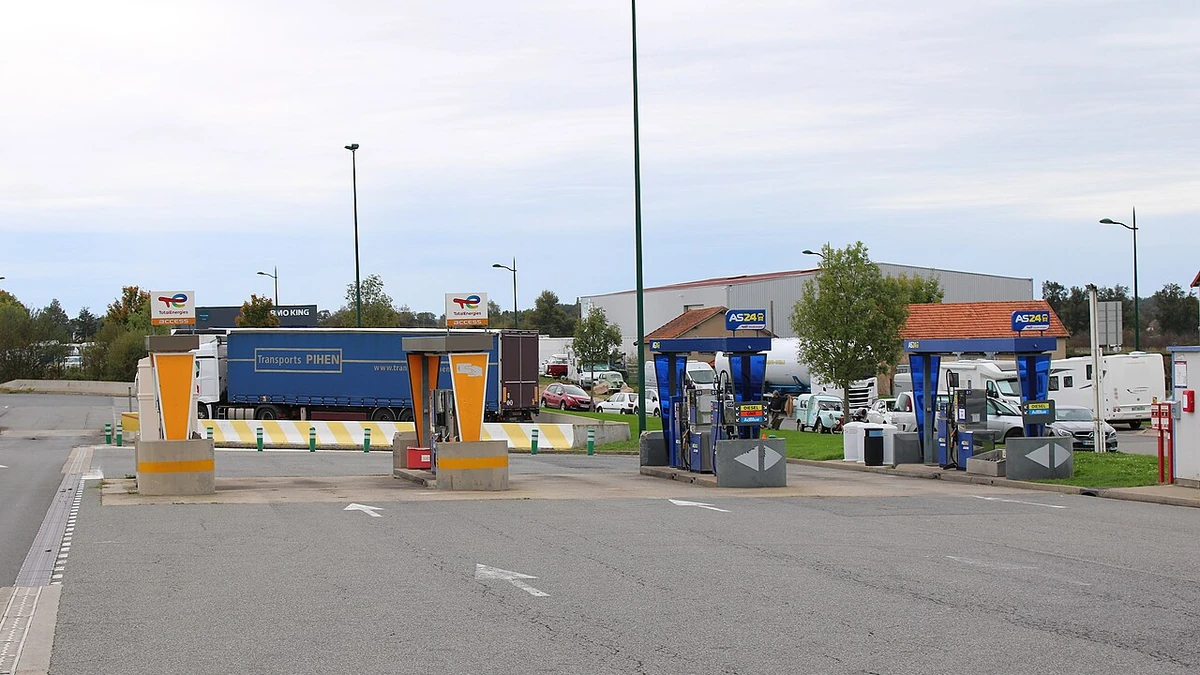
France has given agricultural and forestry businesses another opportunity to seek diesel-cost assistance for fuel delivered in April, May and June 2026, setting November 30 as the new deadline for claims covering those months. The change is aimed at eligible operators who missed the original filing periods, rather than increasing the subsidy available for the spring deliveries.
A decree dated October 30 and published in France’s Official Journal on October 31 revises the filing rules for two aid measures introduced earlier this year. Those measures compensate qualifying businesses for part of the cost of gazole non routier, or GNR, the non-road diesel used in agricultural and forestry work. The decree takes effect on the day after publication.
The reopening gives businesses an additional route to recover costs already incurred. It does not turn November 30 into a universal deadline for all agricultural fuel bought in 2026. The date applies to the April-to-June claims specified in the October 30 decree, while later delivery months remain subject to their own rules.
A second filing window for spring fuel deliveries
The earlier application periods had already expired. Under the timetable published by the French tax authority, the April and May claim windows closed on July 31, and the June window closed on August 31. An otherwise eligible business that had not submitted the necessary paperwork by those dates could therefore have been left without a claim for the affected deliveries.
The government had signaled a reopening before the latest decree. In its October agricultural-support announcements, regional state authorities said the spring GNR claim windows would be reopened for two months to accommodate operators unable to apply during the original period of agricultural activity. The new legal deadline gives that commitment a specific end date: November 30, 2026.
What matters is the month in which the qualifying diesel was delivered, not simply the date on which a business now applies. The reopened period covers deliveries made in April, May or June 2026 for eligible agricultural and forestry purposes. Businesses with invoices for more than one of those months should treat them as separate monthly claims, following the program’s documentation rules.
The change also addresses a practical feature of this support program. Reimbursement is based on fuel deliveries and supporting invoices, so a missed claim can leave a business bearing a cost that the state intended to offset. Reopening the portal does not by itself approve an application or establish that every fuel purchase qualifies. Eligibility and the evidence submitted still determine the outcome.
April and May-June payments are not the same
The amount available varies sharply between the first month and the next two. For April, the original measure covers 3.86 euro cents per eligible liter, equivalent to the agricultural excise amount, with an upper limit of €50,000 per enterprise. The later measure pays 15 euro cents per eligible liter for May and June. These are two existing rates, not a newly announced flat payment for all three months.
For perspective, 1,000 eligible liters would correspond to €38.60 under April’s rate or €150 under the May-June rate, before any applicable restrictions. Actual payments depend on verified eligible volumes and the relevant scheme’s rules. A business should not use the 15-cent figure when calculating an April claim merely because it is submitting the paperwork in November.
France introduced the relief in response to the rise in energy costs faced by fuel-intensive sectors. Agricultural machinery and forestry equipment depend on non-road diesel, and price increases can affect operating expenses at the point when work must be performed. The assistance is a reimbursement tied to qualifying fuel, not a general grant calculated from a farm’s overall turnover or profit.
Eligible applicants extend beyond individual farm owners. Government guidance identifies agricultural businesses, agricultural-equipment cooperatives known as CUMA, agricultural and forestry contractors known as ETARF, certain aquaculture and shellfish operations, and people liable for the relevant agricultural solidarity contribution. The businesses must meet the legal conditions for the reduced excise treatment of agricultural GNR or the corresponding overseas arrangements.
The scheme also covers qualifying activities in specified French overseas territories. That does not mean all fuel bought by every company in those places qualifies. The purpose of the diesel, the claimant’s activity and the applicable excise rules still matter. Businesses receiving or seeking other public support for the same fuel costs may face additional declaration requirements and aid ceilings.
How to submit a claim and what happens to later months
France’s tax authority directs eligible businesses to submit claims through the dedicated process on the Chorus Pro portal. Its official agricultural GNR aid guidance specifies one application per month and requires invoices issued in the applicant business’s name for diesel delivered during that month. Delivery notes on their own are not accepted as substitutes for invoices.
Applicants must also supply business bank details. Depending on their circumstances, they may need to declare other public assistance sought for the same fuel costs or provide information about de minimis aid received in the preceding 36 months. The additional aid declaration is particularly relevant to some cooperatives and agricultural or forestry service companies rather than applying identically to every farm.
The documentation rules were simplified during the year. For applications submitted from July 1, the tax authority says applicants can make the required declaration of accuracy by ticking a statement in the form rather than attaching a separate sworn declaration. It also says a separate certificate of affiliation to the agricultural social insurance system is not required. Businesses without a SIRET identification number that cannot use the online route may qualify for an exceptional paper procedure through their regional or departmental public-finance office.
The new deadline needs to be kept separate from the wider extension of diesel aid. France has maintained the 15-cent-per-liter GNR support for later eligible deliveries, including the months from September through December 2026, but those periods have their own application schedules. The October 30 change does not reopen July or August claims on the same November 30 basis, and it does not reset every subsequent month’s filing date.
Operators seeking aid for several periods should therefore check each delivery month against the current official filing calendar rather than assuming that one application will settle the whole year. For businesses that missed the spring windows, November 30 is the concrete remaining opportunity established by the new decree. An application still needs to be filed and supported by the relevant invoices before that date.
More News
Latest News
View all news- New PBGC Pension Valuation Spreads Take Effect for Terminating Plans
- Three State Street SPDR Bond ETFs Adopt New Names on October 31
- Taiwan Launches Expanded Credit-Information Sharing Between Banks and Securities Firms
- New Zealand Eases Trustee Requirements for Four Retirement Schemes
- U.S. Opens Final 100,000-Ton Beef Import Quota as Food Prices Remain Under Pressure
