
Nebraska Filing Tracker Lists 15% Auto Rate Cut for Depositors
A Depositors Insurance filing entry shows an average 15% rate cut effective November 15, but the reported figure is not a guaranteed reduction for every policyholder.
Our editorial standards
MarketReview publishes clear, independently produced financial information using reliable sources and transparent editorial standards.
Read our Editorial Policy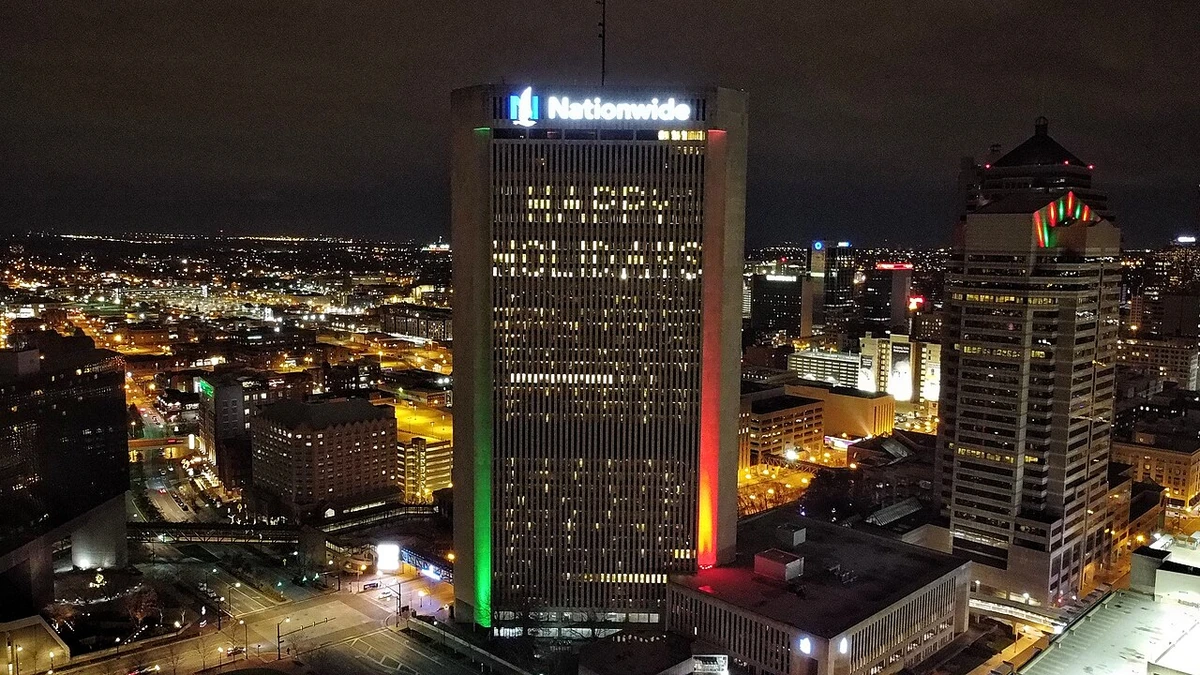
A Nebraska auto insurance rate-filing tracker lists a 15.0% average decrease for Depositors Insurance Company, with November 15, 2026 shown as the effective date. The entry, published by the rate-monitoring service CoveredEgg, concerns private passenger auto insurance. It does not mean every Nebraska driver, or every Nationwide customer in the state, is receiving a 15% reduction.
The listing identifies the filing as NWPP-G135144094 and reports a minimum change of negative 19.6% and a maximum change of negative 3.6%, alongside the 15.0% average reduction. Those are figures from the tracker rather than an independently inspected copy of the underlying filing. The company-specific scope matters because a statewide filing average and an individual policy premium are not interchangeable.
Depositors is one of the property and casualty insurance companies in the Nationwide group. Nationwide includes the company on its official list of affiliated insurers. The distinction between the parent brand and the legal company writing the policy is essential here: the reported change is tied to Depositors, not automatically to every auto insurance product offered under the Nationwide name.
What the November 15 filing entry establishes
CoveredEgg labels the record “Personal Auto” under the private passenger auto category and gives November 15 as its effective date. Its published figures indicate an average reduction, but the summary does not show the detailed rate tables or explain which policy characteristics account for the spread between the reported minimum and maximum. A full review of the insurer’s submitted exhibits would be needed to make those more specific claims.
In particular, an average change does not necessarily describe a uniform adjustment to a base premium. Auto insurers can revise different elements of a rating plan, including factors applied to particular groups of drivers or vehicles. A filing-level average summarizes the overall effect of the changes as reported in the record; it is not a discount percentage assigned to every customer. The tracker’s low and high figures should not be presented as guaranteed limits on what any one renewal bill can do.
The effective date deserves similar care. November 15 is the date attached to the filing entry, not evidence that all existing policies are repriced on the same day. An individual policy’s renewal schedule, the insurer’s filed implementation details and any changes in coverage or risk characteristics can affect when and how a revised rate is reflected in the premium. The accessible tracker summary does not establish separate dates for new policies and renewals.
Nebraska’s Department of Insurance makes rate and form filings available through the National Association of Insurance Commissioners’ public SERFF system. The department explains how to reach that search tool on its property and casualty filing page. The underlying Depositors filing was not independently accessible for inspection in this research, so the reported percentages and effective date remain attributed to the tracker rather than described as independently confirmed regulator findings.
The regulator also describes reviewing and taking action on property and casualty submissions. That role should not be confused with a conclusion that a particular rate reduction was formally approved, or with an explanation of why the company filed it. The publicly accessible summary reviewed here does not establish a specific approval order, policy count or actuarial rationale. Lower expected claims costs, competitive pricing and other possible explanations cannot responsibly be assigned to this filing without its supporting documents.
Why a 15% average rate cut may look different on a renewal bill
The difference between a filed rate change and the price paid by a driver is central to interpreting the number. According to the National Association of Insurance Commissioners, insurers use underwriting and rating to price auto insurance. The final premium can reflect the vehicle, the place it is kept, driving and claims history, annual mileage, coverage choices and deductibles. State rules determine which factors may be used and how.
A policyholder whose circumstances and coverage have not changed could see a reduction associated with a lower filed rating level. But the insurer might change some rating factors more than others, and a separate change in the policy could push the bill in a different direction. Adding a vehicle or driver, changing liability limits, or modifying collision and comprehensive coverage can change the amount owed even when the overall filed rate level has fallen.
The numbers also should not be applied mechanically to every Nationwide customer in Nebraska. Depositors is a distinct insurer within a wider group. A policy issued by another Nationwide-affiliated underwriting company is not shown by this entry to have received the same revision. Drivers can identify their insurer on the declarations page or renewal documents rather than relying only on the brand name displayed in advertisements or on a payment portal.
There is also a difference between a cut in the average rate level and a decrease in total premiums collected by the insurer. Total premium depends on the number of policies, the coverage purchased and the mix of vehicles and drivers insured. Nothing in this rate entry demonstrates that Depositors’ total Nebraska auto premium revenue will decline by 15%, nor does it establish a comparable statewide decrease across competing insurers.
How Nebraska drivers can check the reported change
The first check for a Depositors policyholder is the legal insurer name and the effective date on the renewal notice. The amount due should be compared with the prior term on a like-for-like basis, including the same drivers, vehicles, liability limits, deductibles and optional coverages. If those details differ, the change in the bill cannot be attributed solely to the newly listed rating adjustment.
An agent or the insurer can clarify whether the revised rating plan applies to a particular policy and when it enters that policy’s billing cycle. The customer can also ask whether changes in discounts or underwriting factors have affected the quote. These questions are more informative than assuming that the published average will appear as a matching percentage on a renewal statement.
Anyone who wants to examine the source filing can use the Nebraska regulator’s SERFF access instructions and search for tracking number NWPP-G135144094. The full record, where available, is the place to check supporting exhibits, disposition information and implementation dates. Those details are necessary to judge whether the reported 15.0% average accurately describes the final rate plan and which policies it covers.
More News

Latest News
View all news- CVS Health Study Finds GLP-1 Medical Savings Do Not Fully Offset Drug Costs at Current Prices
- Bitcoin Falls Near $62,000 as Crypto Selloff Deepens Following U.S. ETF Outflows
- Singapore Central Bank Details SME Financing and Digital-Money Agenda for FinTech Festival
- Novo Nordisk Releases New CagriSema Analysis Showing 25.4% Weight Loss Among Early Responders
- Jollibee Franchise Agreements Target 35 Australian Stores and A$60 Million in Investment
