Guide
Managing Mutual Fund Risk
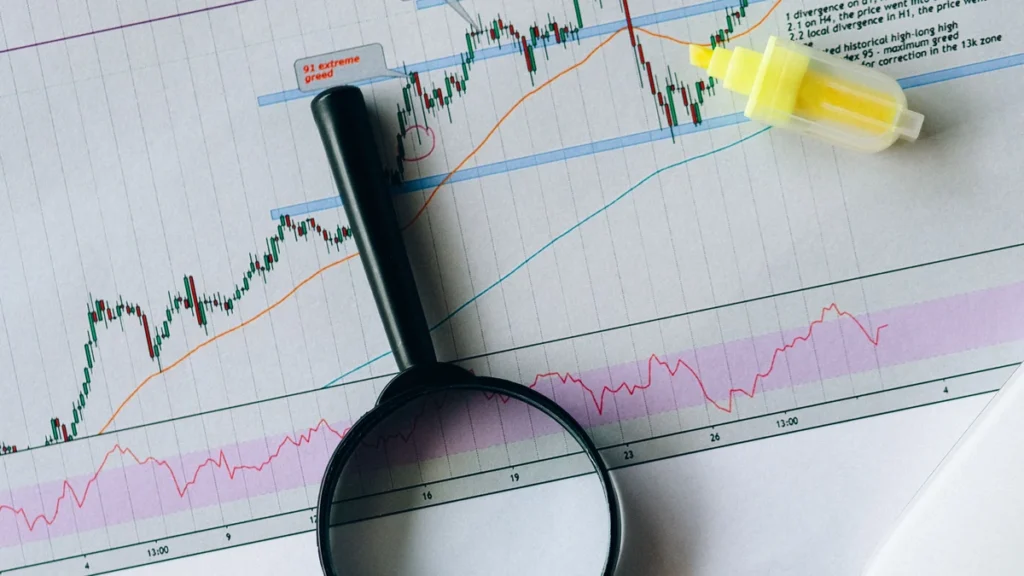
Mutual fund risk is managed less by predicting the next market move than by choosing the right exposures, diversifying deliberately and reviewing whether each fund still fits its job.
Read more →

MarketReview author profile
Editor-in-Chief
ActiveKen Stephens has spent decades following financial markets from both sides of the screen: as an individual investor and through work connected with the investment-banking industry. That breadth informs the way he approaches MarketReview’s coverage of investing, trading and the institutions that influence asset prices.
He is less interested in repeating the market’s conventional wisdom than in examining what supports it. When a familiar explanation is offered for a rally, a sell-off or a shift in policy, Ken looks for the assumptions underneath it, the evidence that confirms or weakens it and the risks that may be overlooked. His writing often connects the choices facing individual investors with the larger forces at work in financial institutions and markets.
As Editor-in-Chief, Ken sets editorial priorities and helps shape how MarketReview explains complex financial subjects. He also contributes directly to articles on investment strategy, market analysis and trading, with an emphasis on clear reasoning, honest uncertainty and conclusions that can withstand closer scrutiny.
Published work
News, analysis and evergreen financial guides credited to this author.
Mutual fund risk is managed less by predicting the next market move than by choosing the right exposures, diversifying deliberately and reviewing whether each fund still fits its job.
Read more →
Managing mutual fund performance starts with the right benchmark, costs and portfolio role, then uses disciplined rules to decide when to hold, rebalance or replace a fund.
Read more →
Individual investors can outperform mutual funds, but doing it consistently requires a fair benchmark, disciplined risk control and an edge that survives costs, taxes and behavioral mistakes.
Read more →
Mutual funds reach investors through fund companies, brokers, advisers, retirement plans and online platforms, with distribution costs and compensation shaping how shares are presented and sold.
Read more →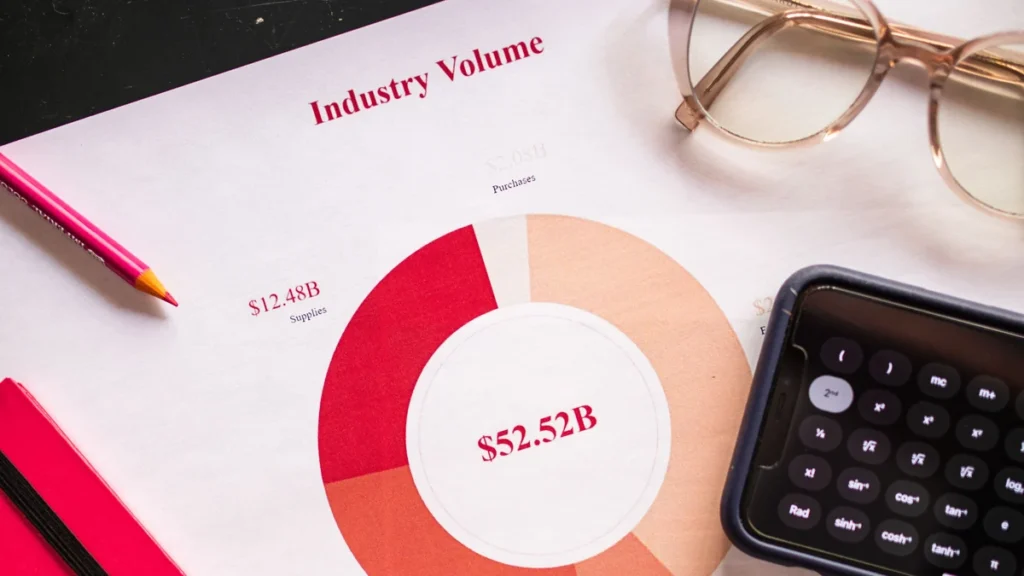
Commodities can add a distinct source of portfolio risk and return, but their diversification value depends on the exposure, vehicle and risks already in the portfolio.
Read more →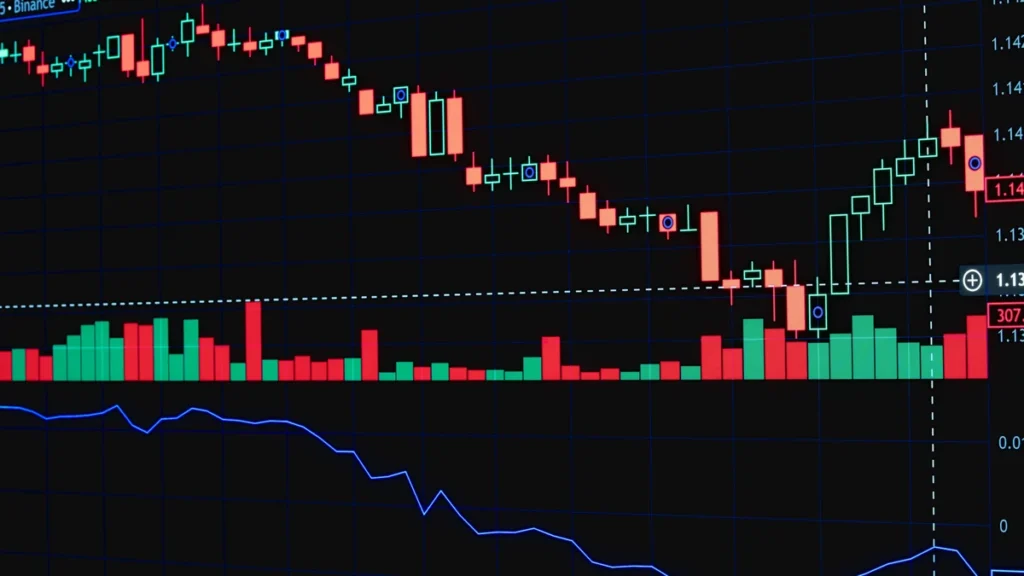
Technical analysis uses price behavior and market data to help commodity traders assess trend, momentum, timing and risk without pretending that charts can predict every move.
Read more →
Commodity fundamental analysis focuses on the forces that change physical supply, demand, inventories and expectations, then asks whether market prices already reflect them.
Read more →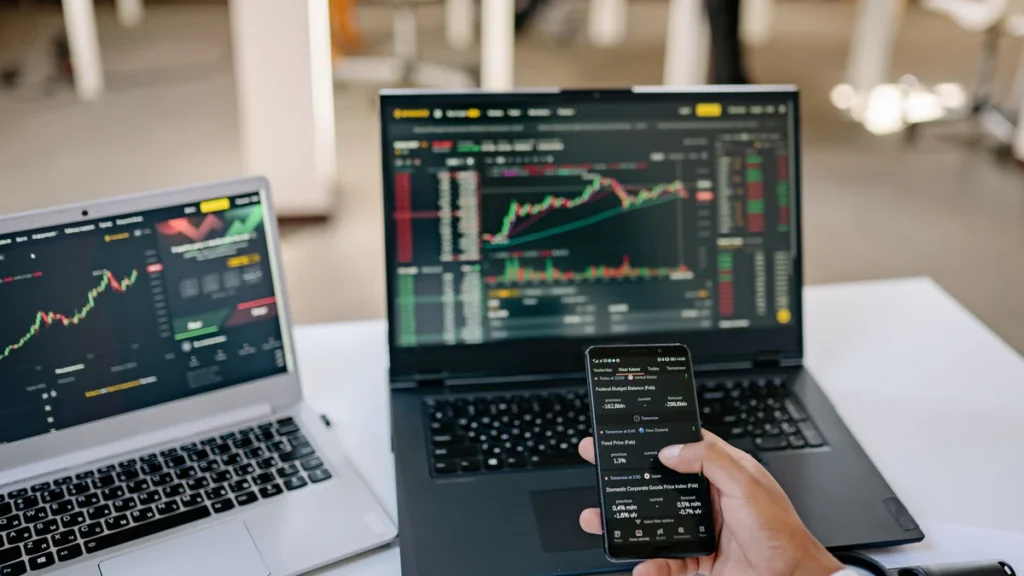
Commodity trading strategies work best when the market view, contract mechanics, time horizon and risk controls are designed to fit the commodity being traded.
Read more →
Commodity funds can provide convenient exposure to raw materials, but the fund’s structure, holdings and futures strategy often matter as much as the commodity itself.
Read more →