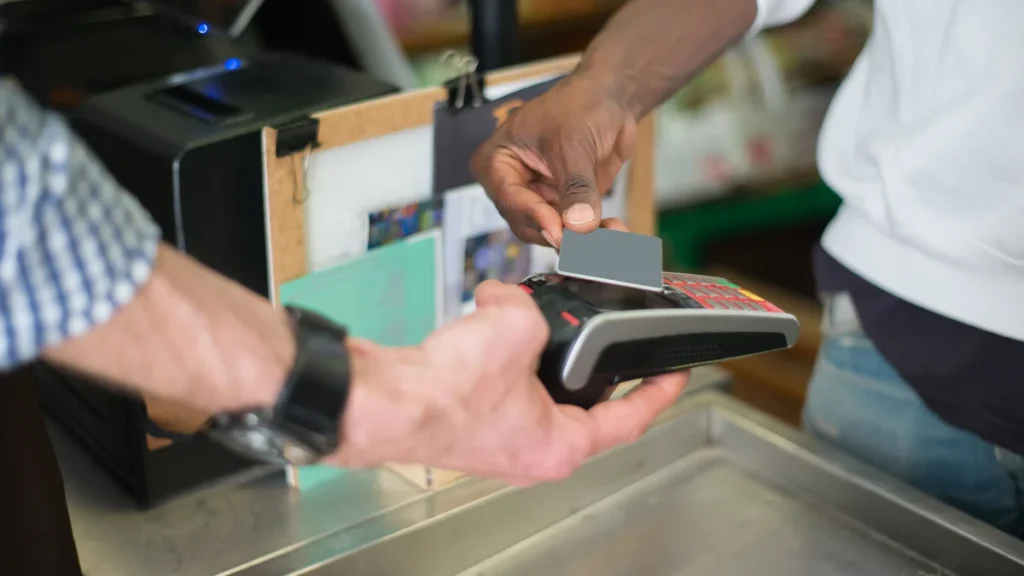
Guide
Credit Cards as a Means of Payment
A credit-card purchase feels instantaneous, but authorization, network routing, clearing and settlement happen behind the scenes before the cardholder ultimately repays the issuer.
Read more →

MarketReview author profile
Editor-in-Chief
ActiveKen Stephens has spent decades following financial markets from both sides of the screen: as an individual investor and through work connected with the investment-banking industry. That breadth informs the way he approaches MarketReview’s coverage of investing, trading and the institutions that influence asset prices.
He is less interested in repeating the market’s conventional wisdom than in examining what supports it. When a familiar explanation is offered for a rally, a sell-off or a shift in policy, Ken looks for the assumptions underneath it, the evidence that confirms or weakens it and the risks that may be overlooked. His writing often connects the choices facing individual investors with the larger forces at work in financial institutions and markets.
As Editor-in-Chief, Ken sets editorial priorities and helps shape how MarketReview explains complex financial subjects. He also contributes directly to articles on investment strategy, market analysis and trading, with an emphasis on clear reasoning, honest uncertainty and conclusions that can withstand closer scrutiny.
Published work
News, analysis and evergreen financial guides credited to this author.
A credit-card purchase feels instantaneous, but authorization, network routing, clearing and settlement happen behind the scenes before the cardholder ultimately repays the issuer.
Read more →
Credit cards can help or hurt your credit score through payment history, reported balances, new applications and account age, depending on how you use them.
Read more →
Credit cards combine a payment network with a revolving credit account, so understanding authorization, billing cycles, grace periods and repayment explains what happens from checkout to statement.
Read more →
Proper credit card management means keeping spending within cash flow, paying on time, controlling borrowing costs and understanding how card decisions can affect your credit.
Read more →
Credit cards are useful payment tools, but their flexibility can turn short-term spending into costly debt, weaken cash-flow discipline and damage credit when balances become difficult to control.
Read more →
Credit cards can offer payment convenience, consumer protections, rewards, short-term flexibility and credit-building benefits when their costs and borrowing risks are kept under control.
Read more →Life insurance is ultimately about what happens financially when someone is no longer there. MarketReview helps you work through coverage needs, policy types, insurer differences and long-term costs…
Read more →Central banks influence interest rates, credit, money, financial stability and payments, but their power works through the banking system and financial markets rather than by directly controlling the economy.
Read more →Investment banks help companies, governments and institutional clients raise capital, execute major transactions and connect with securities markets, while often sitting inside larger financial groups with trading, lending and asset-management businesses.
Read more →