
Guide
Mutual Funds Asset Classes
Understanding mutual fund asset classes means separating the investments a fund owns from labels such as growth or income, then combining those exposures to fit risk, time horizon and goals.
Read more →

MarketReview author profile
Editor-in-Chief
ActiveKen Stephens has spent decades following financial markets from both sides of the screen: as an individual investor and through work connected with the investment-banking industry. That breadth informs the way he approaches MarketReview’s coverage of investing, trading and the institutions that influence asset prices.
He is less interested in repeating the market’s conventional wisdom than in examining what supports it. When a familiar explanation is offered for a rally, a sell-off or a shift in policy, Ken looks for the assumptions underneath it, the evidence that confirms or weakens it and the risks that may be overlooked. His writing often connects the choices facing individual investors with the larger forces at work in financial institutions and markets.
As Editor-in-Chief, Ken sets editorial priorities and helps shape how MarketReview explains complex financial subjects. He also contributes directly to articles on investment strategy, market analysis and trading, with an emphasis on clear reasoning, honest uncertainty and conclusions that can withstand closer scrutiny.
Published work
News, analysis and evergreen financial guides credited to this author.
Understanding mutual fund asset classes means separating the investments a fund owns from labels such as growth or income, then combining those exposures to fit risk, time horizon and goals.
Read more →
Mutual funds make diversified investing easier, but the trade-offs in fees, taxes, control and risk matter when deciding whether a fund fits your portfolio.
Read more →
Mutual funds pool investors’ money into a managed portfolio, with each shareholder owning a proportional interest whose value changes with the fund’s underlying investments.
Read more →
Commodity hedging uses futures and other derivatives to reduce the impact of adverse price moves on producers, buyers and other commercial users.
Read more →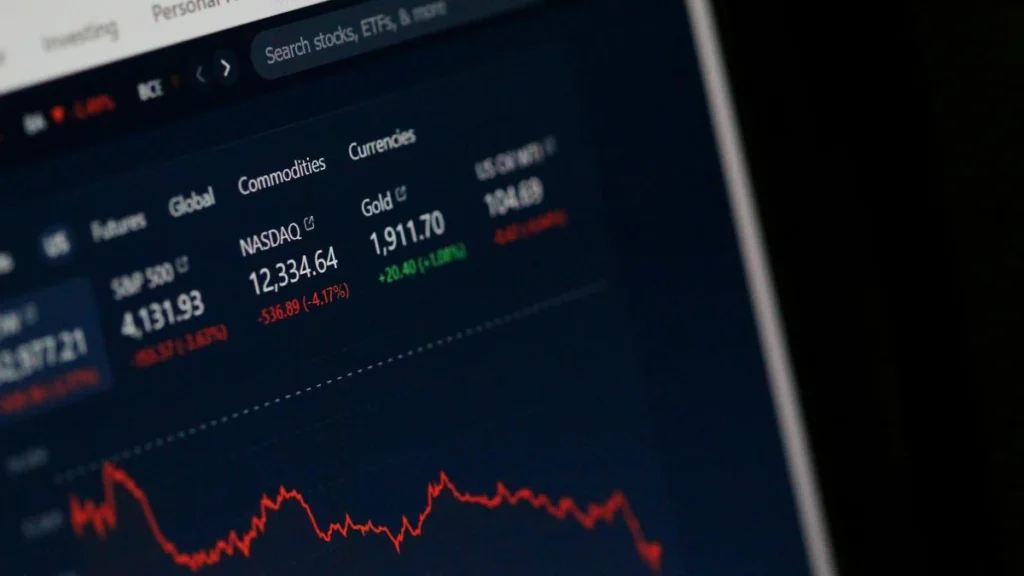
Commodity speculation can offer direct exposure to price moves in energy, metals and agricultural markets, but the instrument chosen determines how much leverage, tracking risk and operational complexity the trade carries.
Read more →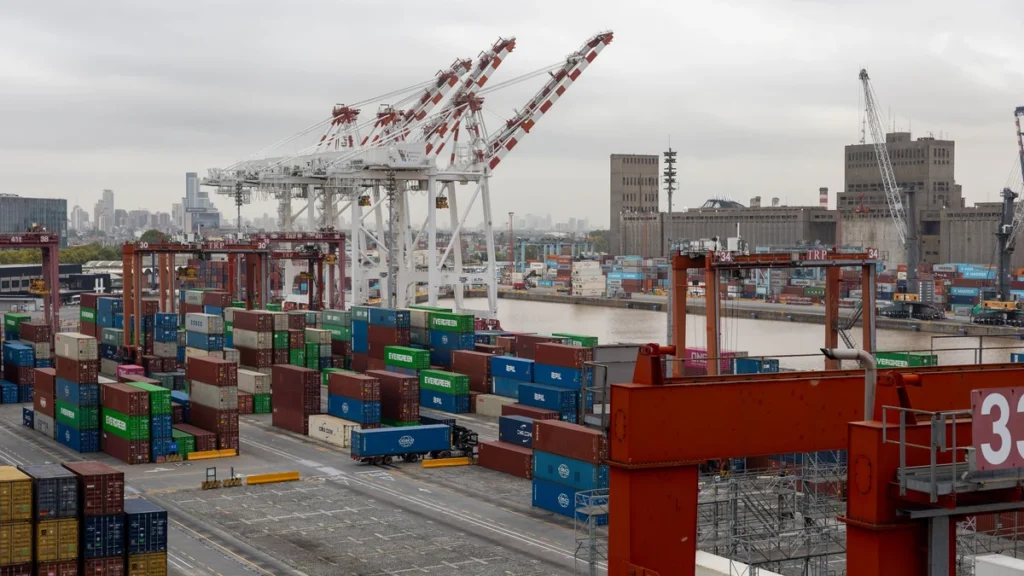
Commodity prices are shaped by physical supply and demand, inventories, expectations and futures price discovery, with the mix of drivers changing across energy, metals and agriculture.
Read more →
Commodity markets let producers, commercial buyers and financial traders transfer price risk, discover future prices and trade standardized exposure to physical goods.
Read more →
Commodity markets connect physical trade in raw materials with futures and other financial contracts used for hedging, price discovery and investment exposure.
Read more →Economics helps investors connect market prices with scarcity, incentives, interest rates, inflation, growth and risk. It cannot make markets predictable, but it can make investment decisions more disciplined…
Read more →