Britain’s Energy Price Cap to Rise 26% in January, Taking Typical Annual Bill to £2,166
Ofgem’s winter increase will affect around 20 million households on variable tariffs as higher wholesale gas costs feed through to energy bills.
Our editorial standards
MarketReview publishes clear, independently produced financial information using reliable sources and transparent editorial standards.
Read our Editorial Policy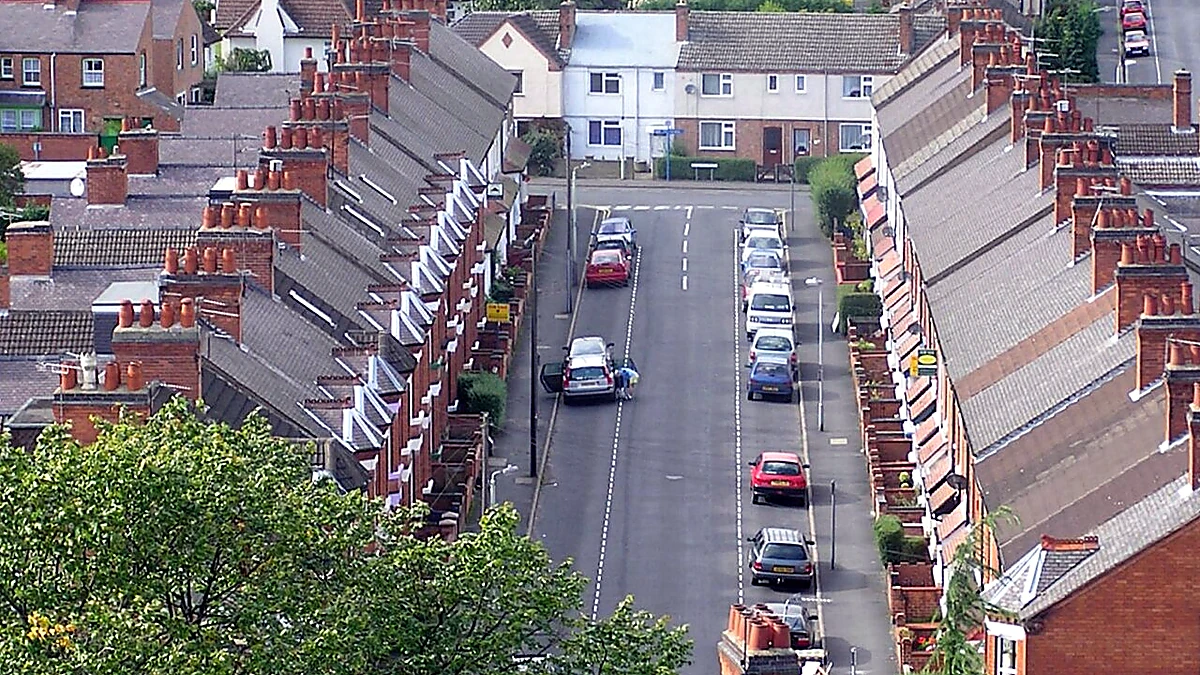
Energy bills for millions of British households are set to rise in January after Ofgem announced a 26% increase in its price cap for the first quarter of 2027. The annual cost for a household using a typical amount of gas and electricity and paying by direct debit will rise to £2,166, compared with £1,723 under the current cap.
The new rates take effect on January 1 and remain in place until March 31. They come at a particularly difficult time for households that consume most of their gas during the winter, when heating demand is high. A household’s actual spending will depend on its consumption rather than the headline annual figure.
Ofgem attributed the increase to rising international gas prices linked to the conflict in the Middle East. About 20 million households on variable tariffs will be affected, according to the regulator’s November 25 announcement. Roughly 10 million households with fixed-price contracts will be insulated from the increase for the duration of their existing deals.
Gas prices drive the winter increase
Ofgem said wholesale gas prices had roughly tripled since the conflict began. Under the new cap, the benchmark gas portion of a typical bill will increase by 33% from the previous quarter, against 19% for electricity. The regulator attributed part of the difference to Britain’s changing mix of power generation, which is becoming less dependent on gas as renewable capacity expands.
For direct debit customers, the average capped gas unit rate will rise from 7.97 pence to 10.96 pence per kilowatt-hour. The equivalent electricity rate will increase from 26.32 pence to 32.69 pence. Daily standing charges for both fuels will be virtually unchanged: the gas charge falls from 29.68 pence to 29.65 pence and electricity from 54.83 pence to 54.77 pence.
Those figures show why the impact will vary considerably between properties. At the average new gas rate, using an additional 1,000 kilowatt-hours would cost £109.60, up from £79.70 at the current rate. A household in a poorly insulated home that requires more heating therefore faces a larger increase in cash terms than one with lower consumption. Actual local rates can differ from the national averages, and payment arrangements also affect prices.
Electricity figures for both quarters reflect the temporary removal of VAT on household electricity supplies. Gas remains subject to VAT at 5%. The electricity tax relief, originally introduced in October, is due to continue through June 2027 under the government’s latest Budget.
Why the £2,166 figure is not a ceiling on bills
The cap regulates how much suppliers may charge per unit of energy and in standing charges for customers on default tariffs in England, Scotland and Wales. Northern Ireland has separate arrangements. The £2,166 figure illustrates what a representative customer would spend if the January rates continued for a full year; Ofgem has not set those rates for all of 2027.
Another complication for comparisons with earlier years is the change in the consumption assumptions behind the headline number. Ofgem revised its typical domestic consumption values in July after finding that electricity use had fallen by about 7% and gas use by 17% since the previous review. The regulator pointed to improvements in efficiency, warmer weather and higher prices as factors behind the decline.
Using the older consumption benchmark from 2023, Ofgem calculated that the annualised figures for the current and forthcoming quarters would instead be £1,935 and £2,451. Neither calculation represents a different tariff. They apply the rates to different quantities of energy, an important distinction when comparing the latest announcement with historical cap levels.
Customers who pay on receipt of a bill or use a prepayment meter are also covered if they are on a default tariff, but their applicable rates may differ from those used in the direct debit headline calculation. A fixed-price agreement protects the contracted rates during its term, not the amount of energy consumed. A household can still face higher winter spending even when its unit rates have not changed.
Government support and pressure on household finances
The increase follows the October Budget, which announced a one-off £100 Household Energy Payment for eligible residents of England from January 2027. The scheme is expected to reach up to 20 million households and is based on council tax bands A to D. Scotland, Wales and Northern Ireland are to receive funding through devolved allocations rather than the same English payment system.
According to the Treasury’s Budget documents, the wider household payment programme is worth £2.6 billion, including funding for devolved administrations. Another £100 million is being allocated to English councils to assist households with serious energy affordability problems that fall outside the main scheme. The £100 payment is separate from the tariff cap and does not change the rate a supplier charges.
The rise also lands against a backdrop of mounting arrears. The Treasury put household energy debt at more than £5 billion in the second quarter of 2026, nearly three times its level around the start of the energy crisis. Ofgem has written to suppliers and other industry participants ahead of winter, pressing them to identify customers in financial difficulty sooner and to ensure repayment arrangements remain manageable.
Longer-term changes to the way bills are calculated are also under consideration. The government wants to remove the daily standing charge for gas by the end of 2027 if feasible, with suppliers recovering the relevant costs through consumption charges instead. Low-use households could benefit, but high-use households may face a different outcome. The government has said it intends to address the impact on vulnerable customers, and Ofgem has yet to set out the implementation details.
The next quarterly cap, covering April through June 2027, is due to be announced by February 23. The January decision determines winter tariff rates, but the extent to which wholesale energy costs ease or rise further will matter for subsequent reviews.
More News


Latest News
View all news- U.S. Treasury Schedules $82 Billion in One-Year Bills and Floating-Rate Notes for Issuance
- Weight Watchers Retires $16.3 Million in Debt Using $10 Million in Cash
- SEBI Opens Physically Settled Non-Agricultural Commodity Derivatives to Foreign Portfolio Investors
- Spanish Inflation Drops to 4.1% in November as Core Inflation Eases to 2.6%
- Skydance Registers Up to 4.62 Billion Shares for Resale Following Warner Bros. Discovery Acquisition