India Considers Monetizing ₹1,300 Crore of BSNL and MTNL Assets
The Finance Ministry said NLMC has taken up fresh monetisation and valuation proposals tied to BSNL and MTNL assets with a combined assessed value of about ₹1,300 crore.
Our editorial standards
MarketReview publishes clear, independently produced financial information using reliable sources and transparent editorial standards.
Read our Editorial Policy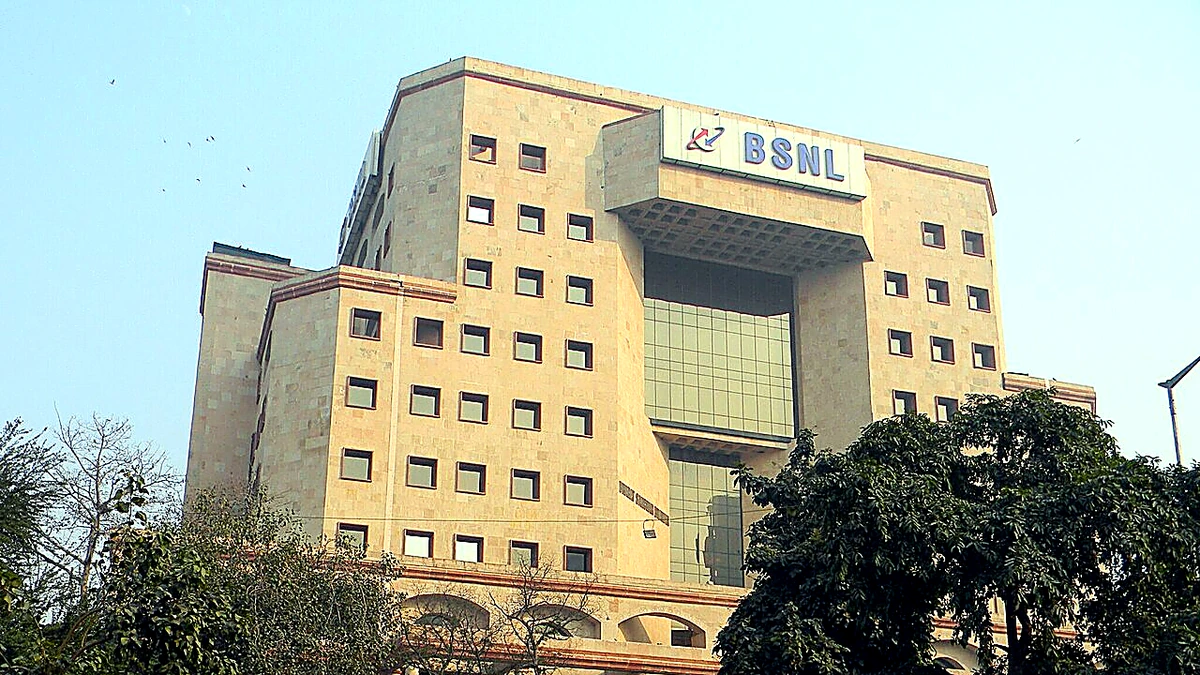
India has taken a new step in its effort to unlock value from surplus public assets, with the National Land Monetization Corporation Limited, or NLMC, examining fresh monetisation proposals linked to Bharat Sanchar Nigam Limited and Mahanagar Telephone Nigam Limited. The Finance Ministry said the proposals cover BSNL and MTNL assets with a combined assessed value of approximately ₹1,300 crore.
The announcement does not mean that the government has already sold assets worth ₹1,300 crore. The figure refers to proposals and valuation work that were reviewed by NLMC’s board for further processing under the government’s prescribed procedures. That distinction matters because asset monetisation programmes often move through several stages, including identification, valuation, internal approvals, structuring and eventual market-facing steps such as auctions or other sale processes.
NLMC board moves the BSNL and MTNL proposals to the next stage
According to a Finance Ministry statement issued through the Press Information Bureau, the 22nd meeting of NLMC’s board considered fresh asset monetisation and valuation proposals pertaining to BSNL and MTNL for further processing. The same release said these proposals come on top of more than ₹9,000 crore in assets monetised by NLMC during the current financial year, underscoring the larger pace of the government’s public-asset sale programme.
The board meeting covered more than just the telecom-related proposals. It also reviewed valuation reports for 17 NLMC-owned residential properties in New Delhi and Mumbai that had been acquired from central public sector enterprises through the closure route. In addition, the ministry said the board was briefed on two e-auctions conducted on behalf of Rashtriya Ispat Nigam Limited in Visakhapatnam, where aggregate highest bids reached ₹584.40 crore across 264 land parcels.
Those details help frame the BSNL and MTNL proposal in the way the government is presenting it. Rather than being a stand-alone decision about one company or one property, the move sits inside a broader institutional push to identify surplus or underused public land and buildings, establish valuations, and then bring suitable assets to market through competitive processes. The ministry did not identify the specific BSNL or MTNL assets in the release, nor did it provide a timetable for any eventual sale, auction or transfer.
Why the proposals matter for the two state-run telecom companies
For BSNL and MTNL, asset monetisation has long been part of the government’s attempt to stabilise and revive the two telecom operators while preserving their public-service roles. In earlier official statements, the Department of Telecommunications said revival packages approved over recent years included measures such as spectrum allocation, capital expenditure support, debt-related relief and asset monetisation. That makes the latest NLMC action part of an established policy direction rather than a sudden one-off measure.
Even so, monetisation is not the same thing as divesting the core telecom business. NLMC’s mandate is focused on non-core land and building assets that are surplus, unutilised or underutilised. In practice, that usually means the government is trying to extract value from real estate and similar immovable assets that are not essential to day-to-day service delivery. For readers following the telecom sector, that point is important because it suggests the government is still framing this effort as balance-sheet support and better asset management, not as a sale of the operators’ main communications networks.
The ₹1,300 crore number should also be read carefully. An assessed value attached to proposals is not necessarily the same as final realised proceeds. Sale values can change depending on valuation updates, market conditions, bidder interest, land-use restrictions, legal clearances and the exact method used to monetise an asset. That is why the Finance Ministry’s wording was cautious. It said the board had considered proposals for further processing, which indicates there are still procedural and execution steps ahead before any proceeds can be treated as achieved.
There is also a practical policy reason for pushing these proposals forward now. BSNL is in the middle of a larger network-upgrade and operational-improvement effort supported by government revival packages, while MTNL remains financially fragile and far smaller in its operating footprint. Unlocking value from non-core assets can provide fiscal support, improve asset productivity and reduce the drag from dormant real estate, even if it does not by itself resolve the deeper competitive and operating challenges facing the two companies.
Asset monetisation remains a wider government programme
The broader context is that NLMC was created specifically to handle this kind of work. On its official website, the corporation says it was established to facilitate the monetisation of surplus land and building assets held by central public sector enterprises and other government organisations. The stated goal is to enable more productive use of these assets while helping the state realise value from property that is no longer central to operational needs.
Recent official releases suggest the pipeline has been building steadily. In September, the government said NLMC’s 21st board meeting had reviewed progress and recommended proposals involving assets worth more than ₹5,000 crore for monetisation. Earlier in November, the Finance Ministry also said an inter-ministerial group had recommended asset monetisation proposals worth over ₹1,100 crore for approval by the cabinet-delegated alternative mechanism. Against that backdrop, the BSNL and MTNL proposals look less like an isolated headline and more like another piece of a widening monetisation agenda.
For investors, policy watchers and the telecom industry, the main takeaway is not that ₹1,300 crore has already been booked, but that the government has added another notable set of assets to the active pipeline. The next meaningful developments will be more specific than the current headline: identification of the underlying properties, progress through the required approvals, clarity on the monetisation method, and eventually any market-facing process that reveals how much value can actually be realised.
Until those details emerge, the latest announcement is best read as a formal advancement of the preparation stage. It shows that the government wants NLMC to keep moving surplus public assets toward monetisation, and that BSNL and MTNL remain part of that effort as policymakers continue to use non-core asset sales as one tool in the broader restructuring and support framework for state-run enterprises.
More News


Latest News
View all news- S&P 500 and Nasdaq Futures Advance Despite Thanksgiving Market Closure
- Altria Confirms It Is Considering an All-Cash Takeover Offer for Imperial Brands
- Bitcoin Holds Above $60,000 as DeFi Tokens Lead Thanksgiving Crypto Recovery
- Brent Crude Rises Above $96 as Middle East Supply Concerns Intensify
- Dollar Rally Pauses Near Annual Highs During Thanksgiving Trading