CleanSpark Seeks $2.227 Billion in Secured Debt for Sandersville Data Center
The proposed notes would finance remaining construction, reimburse prior CleanSpark equity contributions and fund debt-service reserves for the 175 MW Georgia project.
Our editorial standards
MarketReview publishes clear, independently produced financial information using reliable sources and transparent editorial standards.
Read our Editorial Policy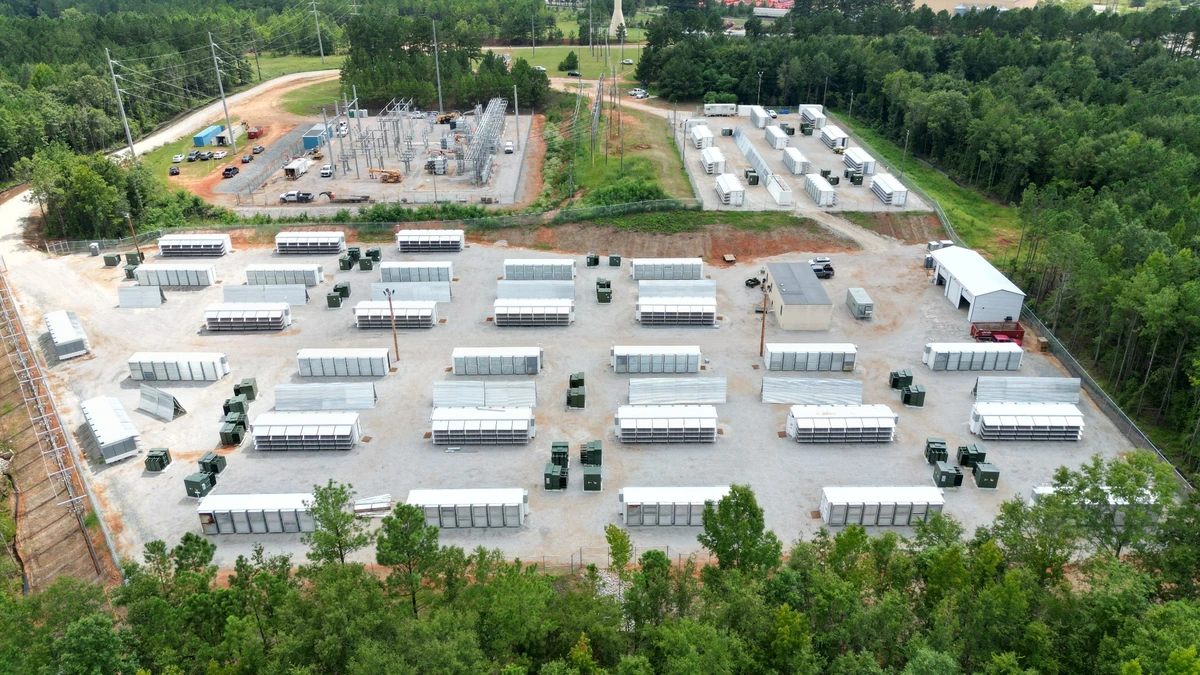
CleanSpark plans to raise $2.227 billion through senior secured notes tied to its Sandersville, Georgia, data center project, a financing package that would help complete construction while also reimbursing earlier company funding and setting aside money for debt service.
The proposed notes would be issued by CSDC Finance I, LLC, a wholly owned indirect CleanSpark subsidiary, and would mature in 2031. The offering is still subject to market conditions, and CleanSpark has not announced a final interest rate or said that the financing is guaranteed to close.
In a September 17 filing with the Securities and Exchange Commission, CleanSpark said the net proceeds would have three uses: financing the remaining cost of the Sandersville buildout, reimbursing CleanSpark for certain prior equity contributions to the project, and funding debt-service reserves. That distinction means the full $2.227 billion principal amount should not be read as the remaining construction cost alone.
The notes would be secured by the Sandersville project
The financing is structured around project entities rather than as an unsecured corporate borrowing. CSRE Properties Sandersville, LLC, a wholly owned direct subsidiary of the note issuer, would fully and unconditionally guarantee the notes. The debt and guarantee would be backed by first-priority liens on substantially all assets of the issuer and CSRE Properties, excluding certain specified property, as well as on the equity interests in the issuer held by its direct parent.
CleanSpark itself would also provide a completion guarantee. Under that commitment, the company would fund the issuer as necessary to ensure the Sandersville facility is completed on time if proceeds from the note offering prove insufficient. The structure therefore places specific project collateral behind the debt while preserving a direct CleanSpark obligation around completion risk.
The notes are being offered privately to qualified institutional buyers under Rule 144A and to non-U.S. investors under Regulation S. They have not been registered under the Securities Act. CleanSpark also cautioned that market conditions could affect whether the offering is completed and on what terms.
One term investors should not treat as settled is the coupon. A September Sandersville investor presentation uses a 7.5% coupon for illustrative financial modeling, but that figure is explicitly presented as an assumption rather than the announced pricing of the proposed notes. The eventual borrowing cost will matter because the project model depends on lease cash flow supporting interest and later principal amortization.
A Meta-backed lease underpins the financing plan
Sandersville is being developed as a 175 MW critical IT data center campus. CleanSpark’s September investor presentation identifies the tenant as Anviran, LLC, a wholly owned subsidiary of Meta Platforms, and says Meta serves as guarantor of rent and operating expenses. The project is designed to support AI, data-processing and communications workloads.
The lease has a 20-year base term, annual rent escalators and two five-year extension options. CleanSpark has put expected base-term contracted lease payments at about $6.6 billion and average annual net operating income at roughly $330 million. The September presentation estimates development cost at about $11.9 million per critical IT megawatt and targets initial rent commencement in the fourth quarter of 2027.
CleanSpark had already committed substantial equity before launching the debt offering. In its August quarterly results, the company said the anticipated equity portion of the Sandersville project had been fully funded and that long-lead equipment had been ordered and prepaid. That helps explain why the new financing includes reimbursement of prior equity contributions rather than functioning solely as fresh construction capital.
Construction was still progressing in September. In its latest monthly operating update, CleanSpark said work at Sandersville remained underway against the $6.6 billion contracted-revenue backdrop. Its investor materials target the first network hall for completion in late 2027, with full construction expected around March 2028.
The Sandersville project is also part of a broader change in how CleanSpark plans to use its power portfolio. In its June-quarter filing, the company said the existing Sandersville site would continue Bitcoin mining until the lease commencement date, after which power would be diverted to the AI campus and mining activity there would cease. At June 30, CleanSpark reported no revenue yet from its AI and high-performance-computing services business.
Lease cash flow and construction timing are central to the debt case
The proposed debt is large relative to the project, but CleanSpark is presenting the long-term lease as the economic support for the financing. Its September model shows rent beginning after the first network hall is completed, then uses those lease receipts to support debt service once construction is finished. The presentation assumes debt amortization begins after expected completion in March 2028 and models coverage using a 1.275 times debt-service ratio.
Those figures are forecasts rather than contractual outcomes for the note investors. The final interest rate, issue price and other offering terms had not been announced with the September 17 notice, and the company’s own presentation labels key financing assumptions as illustrative. Construction schedules can also move, which matters because the timing of rent commencement affects when the project begins generating the cash intended to service the debt.
The next near-term event is pricing and completion of the note offering, if market conditions allow it to proceed. After that, the key project milestones are the targeted fourth-quarter 2027 start of rent and the expected completion of the Sandersville buildout in 2028. Until the debt is priced and sold, $2.227 billion remains the proposed principal amount rather than completed financing.
More from Investing


Latest News
View all news- U.S. Housing Starts Fall 2.6% in August as Building Permits Drop 2.7%
- U.S. Initial Jobless Claims Fall to 196,000, Back Below 200,000
- Nasdaq Moves to Delist Abpro, CIMG, MDJM and Davis Commodities After Suspensions
- U.S. Pending Home Sales Edge Up 0.3% in August but Remain 4.7% Below Last Year
- Philadelphia Fed Factory Index Slips to 37.8 as Regional Manufacturing Continues to Expand