
Federal Reserve Opens Fedwire Production Environment for September Customer Testing
Financial institutions and service providers can use the Sept. 12 production test window for infrastructure, application, contingency and operational-readiness testing.
Our editorial standards
MarketReview publishes clear, independently produced financial information using reliable sources and transparent editorial standards.
Read our Editorial Policy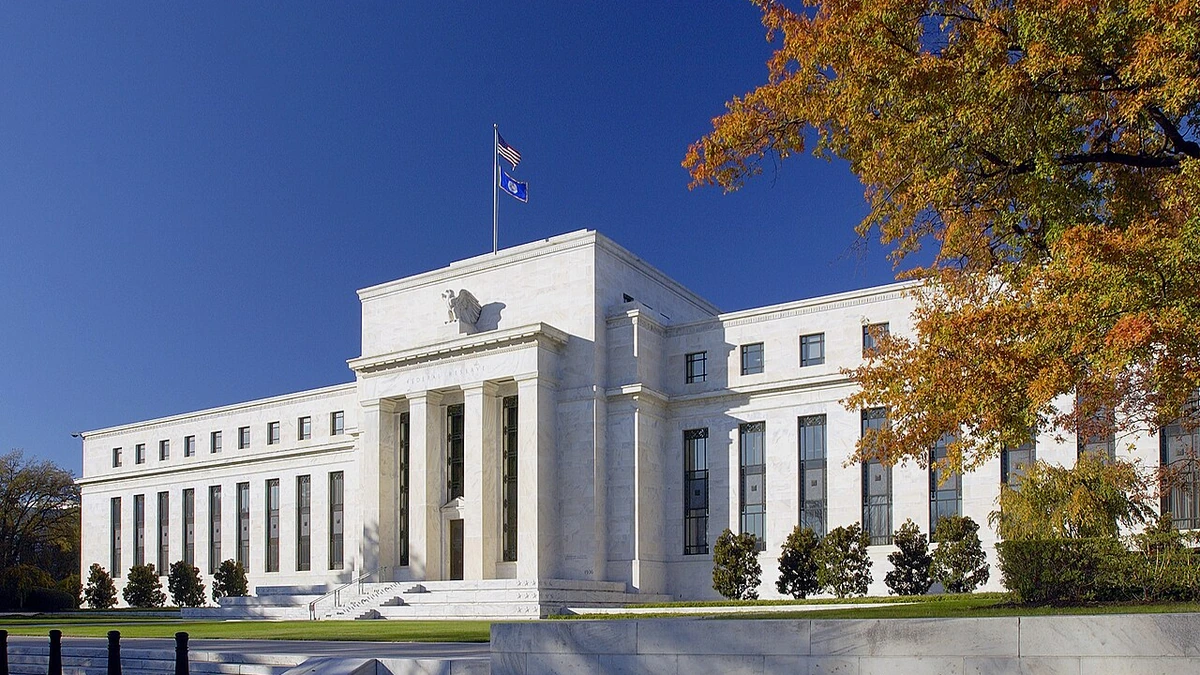
Federal Reserve Financial Services opened the Fedwire production environment on Saturday, Sept. 12, for a scheduled round of regular customer testing. The six-hour window runs from 10:30 a.m. to 4:30 p.m. ET and uses a Sept. 15 cycle date, according to the Federal Reserve’s 2026 Saturday production test schedule.
The session gives financial institutions and service providers a chance to test Fedwire-related changes in the Federal Reserve Banks’ production environment without treating the Saturday window as a normal funds-transfer business day. The event is labeled “Regular Customer Testing,” rather than a service release, contingency event or production cutover.
Saturday production testing is one part of a broader Fedwire testing framework. Federal Reserve Financial Services also operates dedicated Depository Institution Testing environments, known as DIT and DIT2, for routine testing and future changes. The production option is available only on selected Saturdays and is intended for customers that need to validate systems under production-environment conditions before putting changes into normal use.
What customers can test in the production environment
The Federal Reserve’s production test request process allows regular testing of technical infrastructure changes, application software changes, contingency arrangements, training scenarios and back-end changes. It also supports operational readiness testing, which lets a financial institution certify its own software or vendor software in the Federal Reserve Banks’ production environment before that software goes live.
Participation requires advance coordination. The Production Application Test Request Form must be submitted no later than 10 business days before the requested testing date, and the Federal Reserve says requests received after that deadline will be declined. Institutions also identify whether testing will occur from a primary site, an alternate site or both, which allows the testing team to account for planned site moves during the session.
Federal Reserve testing guidance says the MODE field should be set to “TEST” for Saturday production testing. Institutions can send messages to themselves in test mode in the production environment on Saturdays, and they may also receive test traffic from other participating organizations. The testing guidance distinguishes those messages from ordinary live processing even though the exercise is being conducted in the production environment.
There is a post-test control as well. After the Federal Reserve Banks stop a participant’s access channels, the institution must attest that all test messages have been cleared from its queues. The production request form provides for an escalation contact if that confirmation is not received, reflecting the need to leave the environment in a clean state before normal operations resume.
The Sept. 12 cycle date differs from the DIT schedule
The production session and the dedicated test environments use different cycle-date conventions this weekend. The Sept. 12 production test is assigned a Sept. 15 cycle date. By contrast, the DIT and DIT2 environments are also available for scheduled Saturday testing on Sept. 12, but their cycle date is Sept. 11, the preceding business day.
DIT is the Federal Reserve’s regular testing environment for Fedwire Services, while DIT2 is used for future deployments and enhancement releases. On scheduled Saturdays, those environments remain open from the prior day until 4:30 p.m. ET. Federal Reserve guidance says a test request is needed in advance for Saturday DIT or DIT2 access, and the environments may be closed on Friday if no Saturday test requests have been received.
The different schedules matter because “production testing” does not simply mean that the ordinary Fedwire business day has been extended into Saturday. Federal Reserve operating hours still define Saturdays as holidays for the Fedwire Funds Service under the current schedule. The Sept. 12 event is a controlled testing window with its own published hours, cycle date and participation requirements.
Production testing supports a system used for final large-value payments
Fedwire Funds Service is a real-time gross settlement system owned and operated by the Federal Reserve Banks. More than 5,000 participants can use it to send and receive time-sensitive payments, and payments processed in normal service are made in central bank money and become final and irrevocable once made. Banks also use Fedwire to settle commercial payments, positions with other financial institutions and other same-day obligations.
That operating role is why production-environment testing has a distinct purpose from ordinary software development checks. A bank may need to confirm that a new application release, infrastructure change, alternate-site arrangement or back-end process behaves as expected against the environment it will ultimately rely on. The Federal Reserve’s operational-readiness option is specifically designed for that pre-go-live validation.
The Sept. 12 window is also separate from the next major Fedwire Funds Service release. Federal Reserve Financial Services announced on Aug. 27 that a release previously planned for November 2026 has been rescheduled to November 2027, with more information on its scope due this fall. The Sept. 12 calendar entry continues to be identified as regular customer testing, so it should not be read as a rehearsal for a November 2026 launch.
Federal Reserve Financial Services says published Saturday testing dates can change if special circumstances arise, and it asks customers planning unusually complex or resource-intensive tests to notify Federal Reserve Bank testing contacts in advance. After Sept. 12, the next regular Saturday production test on the 2026 schedule is Oct. 3, with an Oct. 6 cycle date. A further regular test is scheduled for Dec. 12.
More from Banking
Latest News
View all news- Trump Says Iran Probably Behind Saudi Pipeline Attack as Energy-Route Risk Deepens
- Cabaletta Bio’s $2.50 Warrants Reach Expiry With Shares Above Exercise Price
- CME Group Rolls Multi-Factor Authentication Delivery Changes Into Production Across Trading and Support Services
- U.S. Exchanges Run Full Three-Level Market-Wide Circuit-Breaker Test
- Japan Warns Houthi Attacks Threaten Bab el-Mandeb Shipping and Energy Security
