Silver Rebounds Above $52 as U.S. Rate-Hike Fears Keep Precious Metals Volatile
Silver recovered above $52 despite persistent U.S. inflation and a Fed warning that a larger December rate increase could be considered.
Our editorial standards
MarketReview publishes clear, independently produced financial information using reliable sources and transparent editorial standards.
Read our Editorial Policy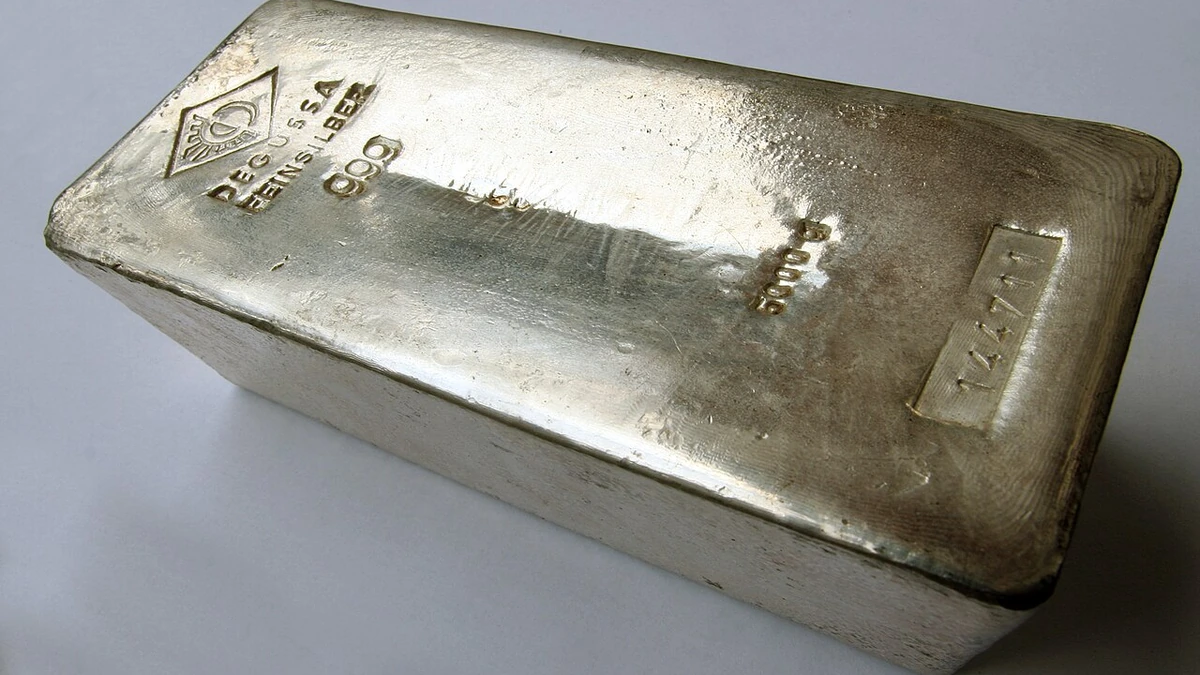
Silver climbed back above $52 a troy ounce on Wednesday, recovering from the previous day’s selloff even as the prospect of another U.S. interest-rate increase remained a concern for precious metals. Kitco’s spot-market bid was $52.26 at 10:14 a.m. Eastern time on November 11, up 84 cents, or 1.64%, from its quoted daily reference.
The recovery was uneven. The same market snapshot showed silver ranging from $51.33 to $53.31 during the session, a spread of almost $2 an ounce. That is a meaningful swing for an asset frequently discussed in terms of a single round-number price. A move back through $52 signaled a rebound, not a settled view on the direction of interest rates.
Behind the market’s shifting tone were inflation figures published Tuesday and fresh warnings from Federal Reserve officials. The headline U.S. consumer price index cooled from September, but underlying price increases did not, leaving traders to weigh the appeal of silver against the possibility that borrowing costs could rise again in December.
A rebound within a volatile trading range
Wednesday’s advance followed a sharp decline in precious metals after the latest U.S. inflation figures and hawkish policy commentary. Silver regained some ground without erasing the uncertainty behind the earlier selling. The intraday range is a reminder that a market can be rising from one session’s reference level while still moving substantially in both directions during the next session.
Kitco’s $52.26 figure was a spot bid, rather than a futures settlement or an average price for physical silver sold to the public. Its corresponding ask quote was $52.51 at the same time. Those distinctions matter when comparing market headlines with bullion dealers’ prices: coins and bars can carry additional premiums, and contracts for later delivery are priced on a different basis.
The larger backdrop has been unusually unsettled. The Silver Institute reported in April that the metal had reached an all-time high above $121 an ounce in January before falling back into the mid-$70s by early April. Those historical points do not explain the latest session by themselves, but they put a move around $52 into perspective. Wednesday’s recovery was part of an extended period of price swings rather than a return to the year’s earlier peak.
Silver’s response also need not mirror gold’s at every moment. Both metals are sensitive to changes in interest rates and the U.S. dollar, yet silver has substantial industrial uses as well as an investment market. That leaves its price exposed to changes in manufacturing demand and the availability of physical metal, even on days when monetary policy dominates the news.
Inflation keeps a December Fed increase on the table
The Bureau of Labor Statistics’ October report showed headline consumer prices rising 0.4% on a seasonally adjusted monthly basis, compared with 0.6% in September. That moderation did not translate into a clear improvement in the core measure. Excluding food and energy, consumer prices rose 0.3% in October, matching the increases recorded in September and August.
Some of the October details offered a mixed picture. Energy prices rose 0.7%, much less than September’s 5.2% increase, while shelter costs increased 0.3%. Food prices rose 0.5%. The persistent core reading matters for rate expectations because it suggests price pressures are not confined to one volatile category, even when headline inflation slows from the preceding month.
The timing of a speech by Federal Reserve Governor Christopher Waller made the core figure especially relevant. Speaking in London on November 10, before the CPI release, Waller said he was leaning toward a quarter-percentage-point increase at the December meeting even if October inflation improved. In his published remarks, he also said a half-point increase should be considered if core CPI came in around 0.3% or higher.
The subsequently reported 0.3% core increase matched the level Waller had identified. It did not, however, amount to a commitment by him or a decision by the Federal Open Market Committee to raise rates by 50 basis points. Waller presented that larger move as something to consider, and his views do not automatically represent the position of the committee as a whole.
At its October 28 meeting, the Fed had left its benchmark target range at 3.75% to 4%, with a 10-to-2 vote in favor of holding steady. Two policymakers preferred an immediate quarter-point increase. That split provides useful context for Waller’s remarks: there is already disagreement about the timing of further tightening, and the latest inflation report has not removed it.
Higher expected interest rates can work against silver because the metal pays no interest. When yields on cash and bonds rise, holding a non-yielding asset can become relatively less attractive. A firmer dollar can also make dollar-priced silver more expensive for buyers using other currencies. Neither relationship guarantees a daily price decline, as Wednesday’s rebound demonstrated.
There is a statistical limitation to the latest CPI release as well. The BLS said it could not publish October 2026 twelve-month changes for many categories because corresponding October 2025 data were unavailable after a lapse in appropriations. The monthly inflation readings are still informative, but comparisons with a full year earlier are unavailable for many of the series typically used to judge inflation’s direction.
Physical supply and investment demand complicate the outlook
Monetary policy is only one part of silver’s market. In the Silver Institute’s April World Silver Survey 2026, prepared by Metals Focus, the industry group projected a sixth consecutive annual supply deficit. Its updated forecast put the 2026 shortfall at 46.3 million ounces, alongside an expected 2% decline in total demand to about 1.11 billion ounces. These were forecasts, not confirmed full-year outcomes.
The composition of that demand is important. The same outlook projected a 3% decline in industrial demand, chiefly because solar manufacturers were using less silver or substituting other materials. It also expected coin and net bar demand to grow 18%, with mine production roughly flat. Investment interest and industrial consumption can therefore pull in different directions, even when the overall market is projected to consume more metal than it produces.
Those longer-term figures do not establish why silver rebounded on November 11. They help explain why the metal’s price can remain jumpy when investors are simultaneously assessing Fed policy and a physical market with competing pressures. A change in expected rates may quickly alter demand from financial buyers, while decisions by manufacturers and miners generally work through the market on a different timetable.
The next scheduled Federal Reserve policy meeting is December 8-9. Until then, the key distinction is between policymakers discussing possible increases and the committee actually approving one. Wednesday’s move above $52 occurred with that decision still ahead, not after the rate uncertainty had been resolved.
More from Investing
Latest News
View all news- USDA Awards $4 Million to Expand Conventional Crop-Breeding Research Across Five States
- Italy Forecasts 2027 Economic Growth of 0.6% as Inflation Slows Consumption
- UK Government-Backed Investors Join Fractile’s £500 Million-Plus AI Chip Round
- Dutch House Prices Rise 3.4%, but Regional Data Reveal Local Divides
- Asian Emergency Financing Safety Net Expands as Currency-Swap Reforms Take Effect