
U.S. Energy Department Offers Up to 315,000 Barrels From Heating Oil Reserve
The temporary Northeast fuel exchange aims to relieve supply disruptions ahead of winter, with bids due October 27 and borrowed oil scheduled for return in 2027.
Our editorial standards
MarketReview publishes clear, independently produced financial information using reliable sources and transparent editorial standards.
Read our Editorial Policy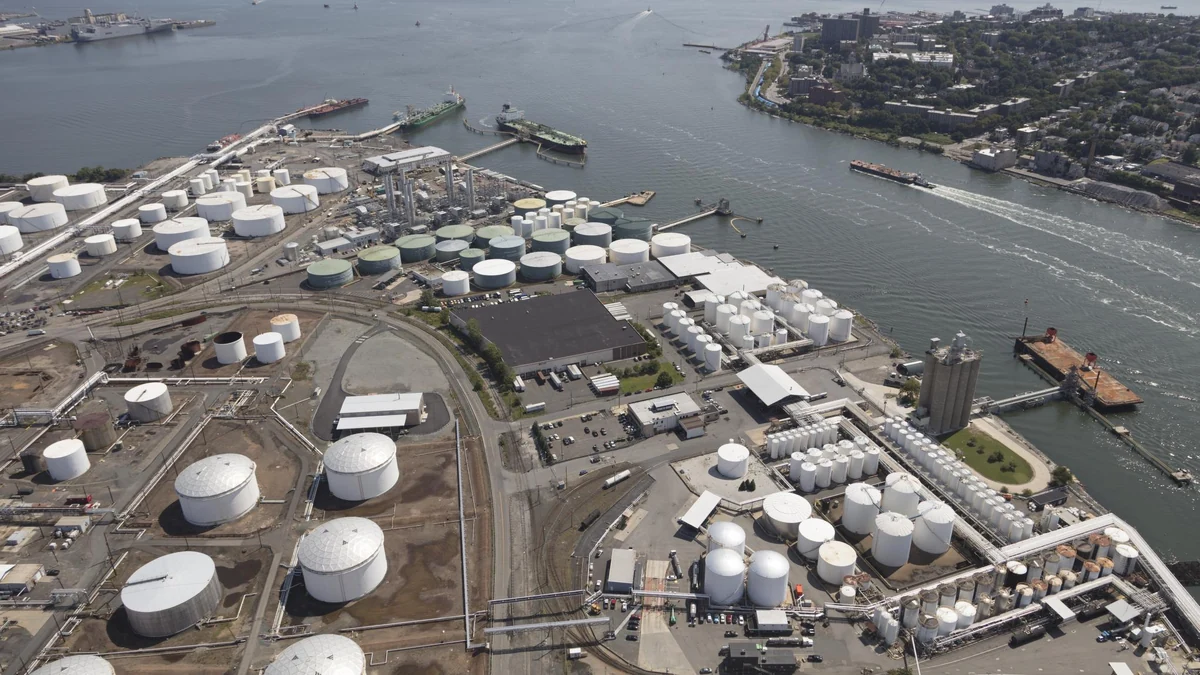
The U.S. Department of Energy is seeking bids to temporarily release up to 315,000 barrels of heating oil from an emergency reserve in the Northeast, aiming to address fuel supply disruptions before winter demand intensifies. The department announced the exchange on October 21, with deliveries expected to be completed by mid-November.
Oil would come from the Northeast Home Heating Oil Reserve, a specialized stockpile of ultra-low sulfur distillate held for periods of regional supply stress. DOE described the action as a response to distribution challenges, but the announcement starts a bidding process rather than confirming that all 315,000 barrels have been awarded or delivered.
Households that depend on heating oil already face an expensive winter. Earlier this month, the U.S. Energy Information Administration projected a sharp increase in heating oil expenses for 2026–27, even with somewhat milder Northeast weather in its forecast. The latest reserve proposal could provide additional physical supply in affected markets, although no reduction in retail prices has been established.
A temporary exchange with oil returned in 2027
Unlike a conventional government fuel sale, companies selected through the Energy Department’s announced solicitation would borrow a specified volume of ultra-low sulfur heating oil, return an equivalent physical quantity to the reserve and pay an additional premium. The reserve is intended to regain its borrowed barrels ahead of the 2027–28 heating season.
Under the formal request for proposals, the premium includes a 5% minimum and is payable in U.S. dollars rather than as extra physical barrels. Its value is tied to the heating oil price when the contracted volume is returned. The document establishes a minimum premium and offers different return periods during 2027. An earlier return generally carries a lower specified return-period premium than a later one, giving the government a way to reward quicker replenishment.
For the initial release, DOE identified storage in South Portland, Maine; the Boston area of Massachusetts; and New Haven, Connecticut. The request for proposals describes specific terminals in those markets, including facilities in Chelsea, Massachusetts. Although the department is offering as much as 315,000 barrels overall, it places a 150,000-barrel limit on awards from any single site.
Each individual offer must meet a minimum volume of 25,000 barrels, and participants can submit multiple offers. The solicitation also limits the combined award to any one bidder and its affiliates to 40% of the volume offered. Those restrictions are designed to spread access across participants rather than allocate the entire quantity to one company.
Winning companies, not the government, must move the oil and pay the associated pipeline, marine, terminal and other delivery expenses. Awarded companies must coordinate with the storage facilities, and the request for proposals warns that existing commercial schedules can constrain delivery times. Oil becoming available at a reserve terminal does not by itself guarantee that a particular town or fuel dealer receives extra supply.
At approximately one million barrels, the Northeast reserve is small compared with the federal Strategic Petroleum Reserve, which holds crude oil. The newly proposed maximum exchange represents roughly one-third of that specialized regional heating oil stockpile. Its role is to help cover short-term interruptions in a geographically concentrated fuel market, not to serve as a broad substitute for ongoing refinery production, imports or commercial inventories.
Why Northeast heating costs are under pressure
Distillate supplies were already tight before Wednesday’s announcement. In its October 6 winter fuel outlook, the EIA estimated that East Coast distillate inventories in September were 32% below their five-year seasonal average. It projected that inventories would remain about 20% to 30% below normal through the winter, leaving less commercial stock available to absorb unexpected disruptions.
EIA expects households using heating oil as their main space-heating fuel to spend about 21% more during the 2026–27 winter than in the previous season. Its forecast assumes heating oil prices will be more than 30% higher, with somewhat warmer weather in the Northeast limiting the increase in fuel consumption. Those figures are forecasts made before the DOE exchange announcement, not measured outcomes of the reserve program.
Only about 3% of U.S. homes rely primarily on heating oil, according to EIA, but they are concentrated in the Northeast. That regional dependence helps explain why a limited reserve can be important even though its volume is modest relative to nationwide petroleum supply. Households in oil-heated homes are more directly exposed to local distillate shortages than those using electricity or natural gas as their main heating source.
Heating oil is part of the wider distillate market, which also supplies diesel and other fuels. EIA linked the recent price pressure to reduced refining activity around the world, costlier imports and stronger incentives to export U.S. distillate. The result is a market in which supply constraints are not confined to household heating demand, and adding reserve barrels cannot address every factor keeping prices elevated.
Commercial inventories and emergency stocks also measure different things. EIA excludes barrels held in the Northeast Home Heating Oil Reserve from the commercial inventory totals it uses to track ordinary supply. A reserve exchange therefore moves government-held fuel into commercial circulation, potentially helping the distribution system even though it does not represent newly refined production.
What consumers ultimately pay remains uncertain. Successful bidders would still have to arrange delivery through existing fuel infrastructure, and retail prices would depend on broader petroleum costs, local competition and demand during the winter. The government has described the exchange as a measure to mitigate disruptions, not as a commitment to deliver a specific price reduction at the pump or to households.
Bids close October 27, with deliveries planned by November 13
Interested companies must submit their proposals by 11 a.m. Central Time on Tuesday, October 27, 2026. DOE may discuss proposed quantities and contract terms with bidders or make awards based on their initial offers. The request for proposals also states that issuing the solicitation does not obligate the government to award any contract, so the final volume may be below the amount advertised.
DOE expects transfers or deliveries under the new exchange to be completed by November 13. After an award, a contractor must provide a delivery plan for DOE approval and coordinate the timing of oil taken from the reserve and returned later. The contractual return periods extend into 2027, allowing the heating oil stockpile to be refilled before the following winter season.
Once bidding closes, the awards will establish how much of the advertised volume is actually committed. Those decisions will establish how much fuel is actually assigned to distributors or terminal operators, which storage sites are used and how quickly additional barrels can move into Northeast fuel channels before winter demand rises.
More News



Latest News
View all news- Thermo Fisher Scientific Reports 9% Revenue Growth to $12.14 Billion
- OCC Issues Final Rule to Implement GENIUS Act Stablecoin Regulations
- Ohio Auto Parts Manufacturer Agrees to Pay $3 Million Over PPP Loan Allegations
- CFTC Announces $9.2 Million Penalty in Louisiana Forex Fraud Case
- AT&T Reports 5.3% Revenue Growth, Updates Earnings and Investment Outlook
