

Futures markets are often introduced through familiar commodities such as corn, crude oil or gold, but the modern product range is much wider. A futures contract can provide price exposure to a physical commodity, a stock-market index, an interest rate, a currency, a digital asset or even an index built from weather or housing prices, provided an exchange has created a standardized contract and there is enough market interest to support trading.
The useful question is therefore not simply which things have a futures ticker. It is what economic exposure a particular contract represents, how its price is determined, how large the contract is, whether it settles in cash or through delivery, and whether the contract is liquid enough to enter and exit at reasonable cost.
Futures can reference assets, rates and indexes
Futures trading uses standardized contracts with defined quantities, contract months and settlement rules. In the United States, the CFTC describes commodity futures as agreements to buy or sell a particular commodity at a future date and notes that some contracts settle through delivery while others permit cash settlement; most positions are closed before delivery actually occurs.[1]
That basic structure accommodates more than physical goods. A contract can be written around a financial benchmark whose final value is determined mathematically, so there may be nothing to put on a truck or move into a warehouse. Equity-index futures, short-term interest-rate futures and many cryptocurrency futures are examples where the trader is taking exposure to a reference value rather than arranging for physical possession of an asset.
Exchange-traded futures also need to be distinguished from forward contracts. A privately negotiated agreement between two counterparties may serve a similar economic purpose, but it is not simply an exchange futures contract conducted somewhere else. Forwards are customized over-the-counter agreements, whereas listed futures are standardized and traded under the rules of an exchange and clearing system.
Physical commodities remain a major part of futures
The traditional futures markets grew around commodities because producers, processors and commercial users often face price risk months before a physical transaction occurs. A farmer may care about the price available after harvest, an airline may care about future fuel costs, and a manufacturer may care about the cost of metal inputs, so a standardized market for future prices can help transfer some of that risk to other participants.
Agriculture, livestock and related products
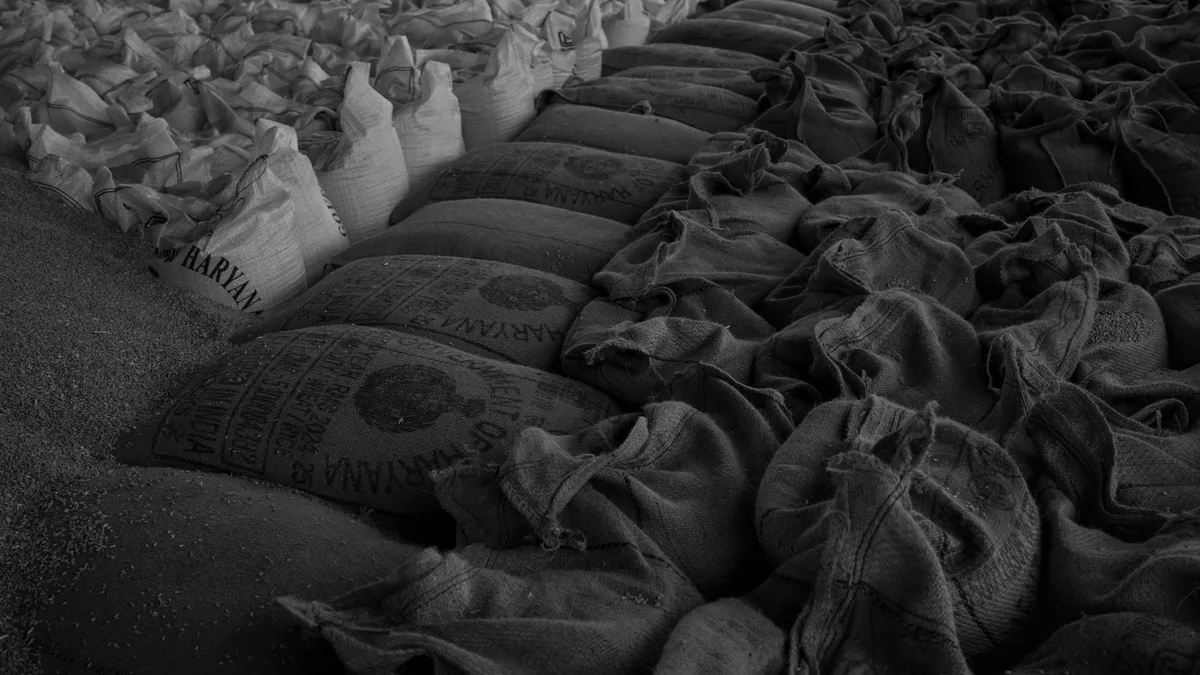
Agricultural futures cover major grains and oilseeds, including corn, soybeans and several varieties of wheat, along with products connected to livestock, dairy, lumber and other agricultural markets. Weather, growing conditions, inventories, export demand and transportation constraints can all matter to these contracts. Severe weather has affected agricultural products such as corn, while changing crop conditions have also moved wheat futures, illustrating how physical-market information can feed directly into derivatives prices.
The product range is broader than the best-known grain contracts. Current exchange listings include live cattle, feeder cattle, lean hogs, milk and dairy products, fertilizer and lumber, among other agricultural exposures, and contract specifications differ materially from one market to another. A trader who understands corn futures should not assume that a cattle or dairy contract has the same quotation convention, tick value, expiration cycle or delivery procedure.
Energy and metals
Energy futures provide exposure to markets such as crude oil, natural gas, gasoline and other refined or regional energy products. These contracts are used by commercial firms whose revenues or costs depend on energy prices, but they also attract speculators because energy markets react to changes in production, inventories, transportation capacity, weather and global demand.
Metals futures span far more than gold. Exchanges list contracts on silver, copper, platinum, palladium and a growing range of industrial, ferrous and battery metals, so the same broad asset class can contain very different economic drivers. The role of precious metals in investment demand differs from the industrial demand behind copper or battery metals, and those distinctions matter when evaluating what a futures price is responding to.
CME Group’s current designated-contract-market listings illustrate how wide the exchange-traded product universe has become, with products across agriculture, energy, metals, equities, foreign exchange, interest rates, cryptocurrencies, weather and real estate, as well as more specialized contracts within those groups.[2] The existence of a listing does not mean every contract has comparable volume, but it shows that futures are no longer confined to conventional farm commodities.
Financial futures cover equities, rates and currencies
Financial futures expanded the market from contracts on physical goods to contracts whose value is tied to financial prices, yields or benchmarks. They are used for speculation, but commercial and institutional hedging is equally important because a portfolio manager, bank, corporation or asset owner may want to reduce exposure to changes in equity markets, borrowing costs or exchange rates without selling the underlying holdings.
Equity indexes and single-stock futures
Equity-index futures are among the most recognizable financial contracts. Products based on benchmarks such as the S&P 500, Nasdaq-100 and Russell indexes let market participants take broad equity exposure or hedge an existing stock portfolio without buying or selling every security in the index individually. Unlike an ETF or a mutual fund, a futures contract does not give the holder an ownership interest in a fund or its portfolio.
The old rule of thumb that futures are available only on stock indexes and never on individual shares is no longer reliable. Current U.S. exchange listings include certain single-stock futures, although product availability and liquidity differ from the much larger index-futures markets. Anyone considering an individual-equity futures contract therefore needs to confirm that the contract is currently listed, accessible through the chosen broker and actively traded enough for the intended strategy.
Interest rates, government debt and credit
Interest-rate futures provide ways to trade or hedge changes in borrowing costs and fixed-income markets. The product set includes futures tied to U.S. Treasury securities, short-term reference rates such as SOFR and federal funds, Treasury-bill yields and certain credit benchmarks, which allows institutions to manage exposures ranging from short-term funding expectations to longer-duration government-bond risk.
These contracts require more care than saying that a trader is simply buying or selling an interest rate. Some are quoted from the price of an underlying debt instrument, while others are linked to a rate or yield formula, so the direction in which the futures price moves relative to a change in market rates depends on the contract. Contract specifications and quotation conventions have to be understood before a directional view can be translated into a trade.
Currency futures
Foreign-exchange futures provide standardized exposure to currencies and currency pairs, including major developed-market currencies, emerging-market currencies and some cross rates. A company expecting a future foreign-currency receipt may use them to reduce exchange-rate risk, while a speculator may use the same contract to express a view on monetary policy, relative growth or changes in currency demand.
Currency futures are related to the forex market, but the two should not be described as mechanically identical. Listed FX futures have standardized contract sizes and expiration dates and are cleared through the exchange structure, while much of spot and forward foreign exchange is traded over the counter with different conventions and counterparty arrangements.
Crypto, weather, housing and other specialized contracts
Cryptocurrency futures are now an established part of regulated derivatives markets. Current CME products include futures linked to assets such as Bitcoin, Ether, Solana and XRP, with both larger and smaller contract sizes available for some products. These contracts give price exposure without requiring the futures trader to hold the referenced cryptocurrency in a personal wallet, although the market risk remains tied to movements in the underlying digital-asset benchmark.
Weather futures demonstrate even more clearly that the object of a futures contract does not have to be a tradable physical asset. Exchange-listed weather products can settle from temperature indexes for particular cities and periods, allowing businesses with weather-sensitive revenues or costs to hedge a measurable weather outcome. The participant is not buying weather itself; the contract converts an agreed index calculation into a financial settlement.
Housing and real-estate futures apply the same idea to property-price indexes. A contract can reference changes in a metropolitan housing index rather than requiring anyone to deliver a house at expiration, which creates a standardized way to take or hedge exposure to a defined real-estate benchmark. Other specialized futures markets can be built around financial, commodity or economic reference values when exchange rules, contract design and market demand support them.
Specialized products are also where the difference between being listed and being practically tradable becomes especially important. A contract may appear in an exchange catalogue yet have modest volume, wide bid-ask spreads or activity concentrated in a small number of expiration months, so the mere existence of a ticker is not evidence that it is suitable for an individual trader.
The contract matters as much as the underlying market
Saying that someone trades oil, gold, the S&P 500 or Bitcoin futures still leaves out information needed to understand the position. Every futures contract specifies a unit or multiplier, a minimum price movement, a set of listed expiration months and a settlement procedure, and those terms determine how a quoted market move becomes a dollar gain or loss in the account.
Contract size is particularly important because futures are leveraged instruments. A price move that looks small on a screen can represent a much larger percentage change relative to the margin posted to support the position, and smaller micro or mini contracts reduce notional exposure only when they are actually available for the market being traded. The amount a broker requires as margin should not be mistaken for the maximum amount that can be lost.
Settlement also changes the practical meaning of the contract. Some commodity futures have delivery procedures that matter to anyone holding a position into the relevant period, while many financial and index-based contracts settle in cash. Traders who do not intend to make or take delivery normally close or roll eligible positions before the applicable deadlines, but the correct action and timing depend on the specific contract rather than on a universal futures rule.
Expiration months create another layer of choice because two contracts on the same underlying market can trade at different prices. Different futures contracts can also concentrate liquidity in different listed months, while storage costs, financing, expected supply and demand, interest rates or other carrying relationships can shape the curve between near and later expirations. Selecting the contract month is therefore part of the economic decision rather than an administrative detail.
Tradable does not mean liquid or suitable
A broad product menu is useful only if the contract fits the participant’s purpose. Commercial hedgers usually begin with an exposure they already have and look for the futures contract that most closely offsets it, whereas a speculator begins with a market view or trading method and must decide whether the chosen contract offers enough liquidity and a manageable dollar value for that view.
Liquidity varies across asset classes and across expiration months within the same product. Widely followed benchmark futures can trade with deep order books for much of the session, while a specialized contract may trade sporadically, and an illiquid market can make entries, exits and stop orders more expensive or less predictable. Volume, open interest and the actual bid-ask spread therefore matter alongside the subject of the contract.
Trading hours and price-limit rules also differ. Some futures trade for most of the day with scheduled maintenance breaks, while particular agricultural or other contracts may have narrower sessions or daily price-limit mechanisms. A strategy that assumes continuous execution can behave very differently when the chosen contract has a session break, a thin overnight market or a price-limit condition.
The National Futures Association warns that futures trading is highly volatile and risky and that leverage can produce losses beyond the amount a trader expected to commit.[3] That warning applies regardless of whether the contract references a familiar stock index or an unusual weather benchmark, because the core risk comes from leveraged exposure and the way the specific contract converts price changes into account gains and losses.
Choosing what to trade with futures
The best starting point is the economic exposure, not the novelty of the product. A hedger needs a contract whose price relationship is close enough to the risk being managed, because an imperfect match can leave basis risk even when the hedge is directionally sensible. A speculator needs a market where the thesis is clear enough to test and where the contract size, liquidity and volatility fit the available risk budget.
Knowledge of the underlying market also matters because different futures respond to different information. Grain traders may focus on crop conditions and inventories, energy traders on production and transport constraints, interest-rate traders on monetary policy and inflation expectations, and equity-index traders on corporate earnings and broad risk appetite. Technical analysis can be applied across these markets, but it does not remove the need to understand what can cause the underlying benchmark to reprice.
Anyone using futures for futures speculation also has to separate market selection from position sizing. A liquid contract on a familiar market can still be inappropriate if one contract represents too much dollar exposure, while a smaller contract can sometimes let the same idea be expressed with more precise control over risk. Contract specifications should be checked before the trade is designed, not after the position has already been opened.
The range of futures products is wide enough that there is no single asset class that defines the market anymore. Physical commodities remain important, but equity benchmarks, interest rates, currencies, cryptocurrencies and specialized index products have made futures a general mechanism for transferring or taking price risk. What matters is not merely that something can be traded with futures, but exactly what the contract references, how it settles, how actively it trades and how much exposure one contract creates.
Sources
- U.S. Commodity Futures Trading Commission: Basics of Futures Trading
- CME Group: Designated Contract Markets
- National Futures Association: Investor Best Practices