Advance Auto Parts Beats Q2 Profit Expectations but Revenue Falls Short
Adjusted EPS rose to $1.03, helped by $26 million in tariff refunds, while comparable-store sales slipped 0.5% as DIY demand weakened.
Our editorial standards
MarketReview publishes clear, independently produced financial information using reliable sources and transparent editorial standards.
Read our Editorial Policy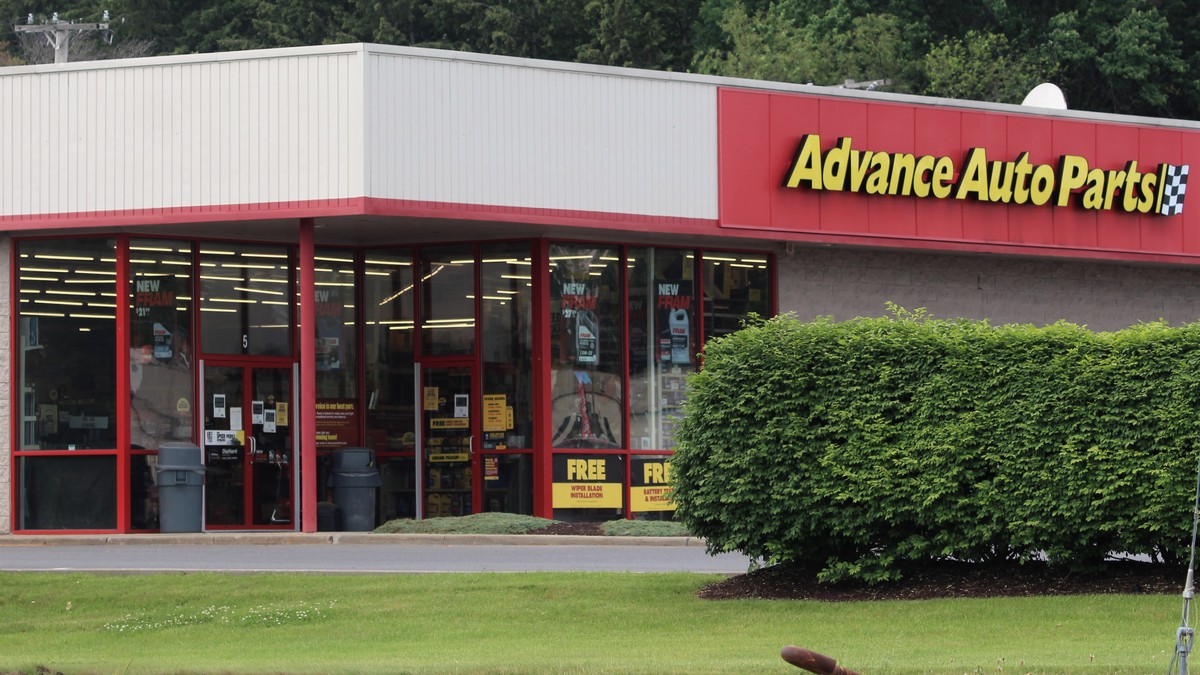
Advance Auto Parts reported second-quarter adjusted earnings above Wall Street expectations, but revenue came in below consensus as weaker do-it-yourself demand offset continued strength with professional customers. The auto-parts retailer said second-quarter net sales totaled about $2.0 billion, roughly flat with a year earlier, while comparable-store sales fell 0.5%.
Adjusted diluted earnings were $1.03 a share, up from $0.69 a year earlier and above the roughly $0.81 consensus estimate. Revenue, however, was below the roughly $2.04 billion analysts had expected. On a GAAP basis, diluted earnings rose to $0.90 a share from $0.25 in the prior-year quarter.
The mixed result matters because Advance Auto Parts is still working through a multi-year turnaround built around merchandising, supply-chain changes and tighter store execution. Advance Auto Parts delivered a large improvement in profitability in the quarter, but the sales picture softened from the first quarter, when comparable sales had risen 3.5%.
Tariff refunds added meaningfully to the profit improvement
Advance Auto Parts posted gross profit of about $924 million, equal to 46.2% of net sales, compared with a 43.5% gross margin a year earlier. Adjusted gross margin was also 46.2%, up from 43.8% in the second quarter of 2025. Better product margins from merchandising initiatives contributed to the improvement, but the quarter also benefited from $26 million in refunds tied to tariffs previously paid under the International Emergency Economic Powers Act.
Advance Auto Parts said those tariff refunds contributed about $0.31 to second-quarter adjusted diluted earnings per share. That is a meaningful share of the $1.03 adjusted result and helps explain why the earnings beat was stronger than the underlying sales performance might suggest. The refunds also boosted gross margin, so separating that specific benefit from the improvement attributed to merchandising gives a clearer view of how the quarter’s profitability changed.
Adjusted operating income rose to $112 million, or 5.6% of sales, from an adjusted operating margin of about 3.0% a year earlier. Reported operating income was $102 million, or 5.1% of sales. Selling, general and administrative expenses also improved as a percentage of revenue, with reported SG&A at 41.1% of sales compared with 42.4% a year ago.
The cash-flow picture strengthened as well. For the first 28 weeks of the year, cash flow from continuing operations reached $252 million, while capital expenditures were $132 million, producing $120 million of free cash flow. In the comparable period last year, free cash flow was an outflow of $201 million. Advance said the return to positive year-to-date free cash flow followed two years of outflows and marked progress in its turnaround.
DIY weakness offset continued growth with professional customers
The main pressure point in the quarter was demand from do-it-yourself customers. Chief Executive Shane O’Kelly said the professional, or Pro, channel produced low-single-digit comparable-sales growth and performed in line with the company’s expectations. Main Street Pro customers, which include independent repair shops and other professional installers, performed better than the broader Pro business.
DIY demand was weaker, especially during the final four weeks of the quarter. Advance attributed the shortfall to tighter household budgets that constrained spending more than it had anticipated. That split helps explain why the company could improve margins and earnings while still reporting a 0.5% decline in overall comparable sales.
The sequential change from the first quarter is also notable. Advance had reported 3.5% comparable-sales growth in the first quarter, its strongest such performance in five years, along with a 3.8% adjusted operating margin. The second quarter therefore showed continued profit improvement but weaker top-line momentum. For the turnaround, that creates a more demanding second-half test: management needs to preserve the margin gains while producing enough sales growth to meet its full-year target.
The company’s store base remained broadly stable. Advance operated 4,311 company stores as of July 18, up slightly from 4,308 at the end of the first quarter. It also served 786 independently owned Carquest-branded stores, down from 797 at the end of April.
Full-year guidance is mostly unchanged, but expansion plans shifted
Advance reaffirmed its 2026 guidance for net sales of $8.485 billion to $8.575 billion and comparable-store sales growth of 1% to 2%. It also kept its adjusted operating margin target at 3.8% to 4.5%, capital expenditures at about $300 million and free cash flow at about $100 million.
Adjusted EPS guidance was raised to $2.60 to $3.30 from $2.40 to $3.10, but the company said the revision reflects higher expected pre-tax interest income. The higher EPS range therefore does not represent a broad increase in the company’s sales or operating-margin outlook. Management said the full-year forecast already incorporates first-half performance, the tariff refunds received in the second quarter and revised operating assumptions for the rest of the year.
The company also changed the pace of planned openings. It now expects to open 30 to 35 stores this year, down from its previous target of 40 to 45. At the same time, the expected number of new market hubs increased to 15 to 20 from 10 to 15. Market hubs are larger locations designed to carry a broader assortment of parts and improve availability for nearby stores and professional customers.
Balance-sheet metrics improved during the quarter. Advance repurchased and retired about $30 million of outstanding debt, and net leverage fell to 2.1 times from 2.4 times in the first quarter. Cash and cash equivalents were about $3.12 billion at quarter-end. The company also declared a regular quarterly dividend of $0.25 a share, payable October 23 to shareholders of record on October 9.
Advance’s full-year comparable-sales target still calls for 1% to 2% growth despite the second-quarter decline, so the second half will need a stronger sales performance than the latest quarter while management works to preserve the margin gains.
More from Investing

Latest News
View all news- FTC, USDA Launch Joint Inquiry Into Agricultural Equipment Market Practices
- VAALCO Completes Gabon Phase 3 Drilling as ETSEM-3H Starts at About 2,000 BOPD
- U.S. Crude Inventories Fall 3.2 Million Barrels in Latest EIA Report
- UK Trade Remedies Authority Proposes Five-Year Anti-Dumping Duty on Chinese Rutile Titanium Dioxide
- OCC Launches Direct Payments-Fraud Reporting Tool for Community Banks