Rivian Delivers Record 19,248 Vehicles in Third Quarter as R2 Production Ramps
Rivian produced 19,751 vehicles and delivered 19,248 in the third quarter, setting a quarterly delivery record while reaffirming its 65,000 to 70,000 full-year delivery outlook.
Our editorial standards
MarketReview publishes clear, independently produced financial information using reliable sources and transparent editorial standards.
Read our Editorial Policy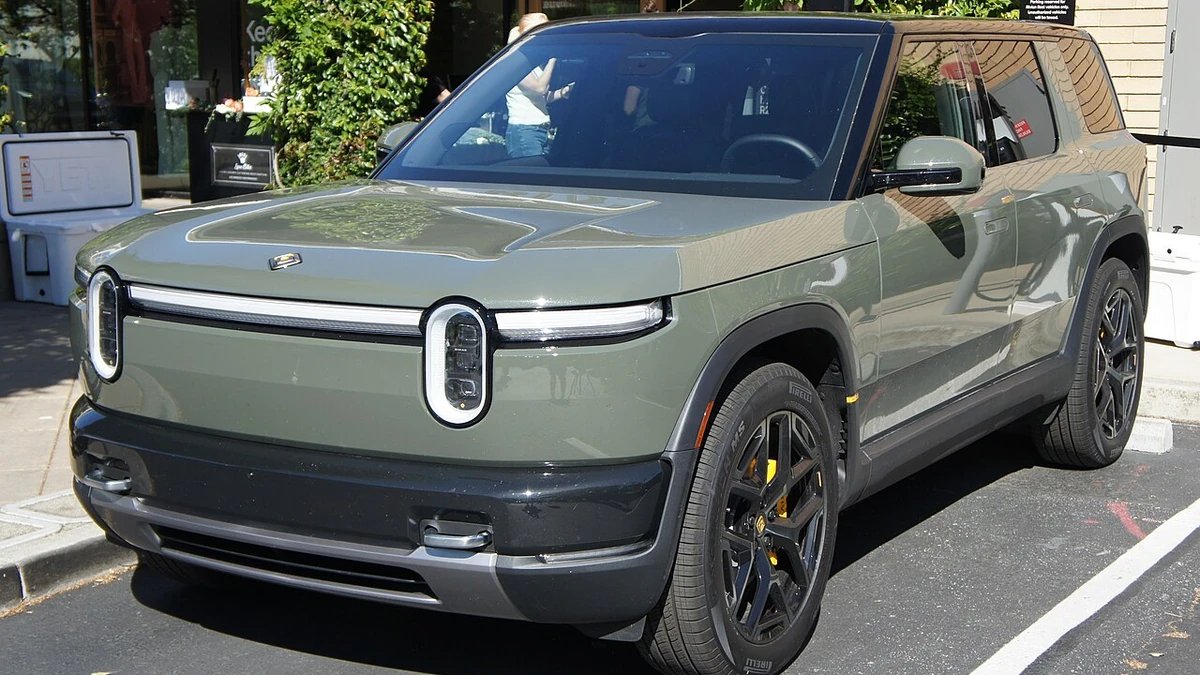
Rivian Automotive delivered 19,248 vehicles in the third quarter of 2026, the highest quarterly total in the company’s history, as production of its lower-priced R2 SUV continued to ramp at the automaker’s plant in Normal, Illinois. Rivian produced 19,751 vehicles during the quarter and said both production and deliveries were in line with its outlook.
The delivery total rose about 58% from 12,194 vehicles in the second quarter and about 46% from 13,201 a year earlier. It also surpassed Rivian’s previous quarterly delivery high of 15,564 vehicles, set in the third quarter of 2023, by 3,684 vehicles, or roughly 24%.
Rivian kept its full-year 2026 delivery guidance at 65,000 to 70,000 vehicles. The company had raised that range in July from 62,000 to 67,000 after second-quarter deliveries came in above its earlier outlook, helped by growth in R1 and commercial van deliveries as well as the introduction of R2 customer deliveries.
R2 moved from production launch to customer deliveries in the spring
The third-quarter record arrived during Rivian’s first full quarter with R2 in public customer hands. Rivian started customer R2 production on April 22 at its Normal plant, marking the beginning of saleable production for a vehicle the company has positioned as its next major growth platform. Initial units went through final quality and validation checks before the wider customer rollout.
Public R2 deliveries began June 9 with the R2 Performance trim. Rivian said order invitations would be released in batches and that deliveries would increase progressively as the launch moved forward. By August, the company said R2 vehicles were rolling off the line in Normal and reaching customers across the United States.
Rivian has not disclosed the number of R2 vehicles included in its 19,248 third-quarter deliveries, so the record total cannot be attributed entirely to the newer model. The company’s second-quarter release, however, explicitly identified the introduction of R2 deliveries as one of the contributors to results that exceeded its Q2 outlook. The Q3 increase came after the model had a full three months of public deliveries rather than only the closing weeks of the prior quarter.
The launch is also being staged by trim. Performance was the first R2 configuration offered to customers, with Premium scheduled for later in 2026 and Standard expected in 2027. That phased rollout means Rivian is still broadening the R2 lineup while increasing production, rather than launching every planned version at once.
Quarterly deliveries moved well above Rivian’s earlier high
Rivian’s prior delivery record had stood for three years. In the third quarter of 2023, the company produced 16,304 vehicles and delivered 15,564. Subsequent quarters remained below that delivery mark even as Rivian reworked manufacturing operations, refreshed the R1 platform and prepared Normal for R2 production.
The 2026 progression has been different. Rivian delivered 10,365 vehicles in the first quarter, 12,194 in the second and 19,248 in the third. That brings deliveries through the first nine months of the year to 41,807 vehicles. Production over the same period totaled 42,600 vehicles, based on 10,236 units in Q1, 12,613 in Q2 and 19,751 in Q3.
Third-quarter production also increased sharply from the prior quarter. The 19,751 vehicles built in Normal were about 57% above Q2 production. Rivian’s quarterly production figure includes its consumer and commercial vehicles produced at the Illinois facility, and the company did not provide a model-level production split with Friday’s update.
The record therefore says more about Rivian’s overall manufacturing and delivery scale than it does about the exact contribution of any one vehicle. R2 is central to the company’s expansion plans, but R1 vehicles and commercial vans remain part of the production mix. Keeping those categories separate is important because Rivian reports total company vehicle production and deliveries rather than a detailed quarterly breakdown by model.
Unchanged guidance leaves a larger fourth-quarter requirement
With 41,807 deliveries completed through September, Rivian would need to deliver another 23,193 vehicles in the fourth quarter to reach the low end of its 65,000-unit annual guidance. Reaching the 70,000-unit high end would require 28,193 fourth-quarter deliveries. At the midpoint of the guidance range, 67,500 vehicles, the implied Q4 requirement is 25,693 deliveries, about 34% above the third-quarter record.
Rivian’s decision to maintain rather than increase its annual range keeps the focus on execution through the final three months of the year. The company had already lifted its forecast in July after second-quarter performance exceeded its stated outlook, so the Q3 release preserves the higher target without making another revision.
The next scheduled update will provide a fuller picture of the economics behind the volume increase. Rivian said it will release third-quarter financial results on October 29 after the market closes and will hold an investor webcast at 5 p.m. Eastern time. Those results will show how the R2 ramp, higher production volume and the broader vehicle mix affected revenue, gross profit and cash use during the quarter.
For now, the operating milestone is clear: Rivian has moved beyond its previous quarterly delivery peak while R2 production continues to scale. What remains undisclosed is how much of that record came specifically from R2, a detail that will be important as the company moves toward a broader trim lineup and a higher fourth-quarter delivery requirement.
More News


Latest News
View all news- Tesla Delivers 486,532 Vehicles in Third Quarter, Produces 464,391
- Switzerland Backs CHF 10 Billion Extension of International Monetary Assistance
- South Korea Inflation Cools to 2.9% in September as Fuel Costs Stay High
- Scotiabank Gets Approval to Expand Share Buyback to 40 Million Shares
- Rithm Capital Closes DRA Joint Venture for 1301 Avenue of the Americas