South Korea Inflation Cools to 2.9% in September as Fuel Costs Stay High
South Korea’s consumer inflation eased from August’s 3.1% rate, but fuel-linked costs and firmer industrial-goods prices kept price pressures above the Bank of Korea’s 2% target.
Our editorial standards
MarketReview publishes clear, independently produced financial information using reliable sources and transparent editorial standards.
Read our Editorial Policy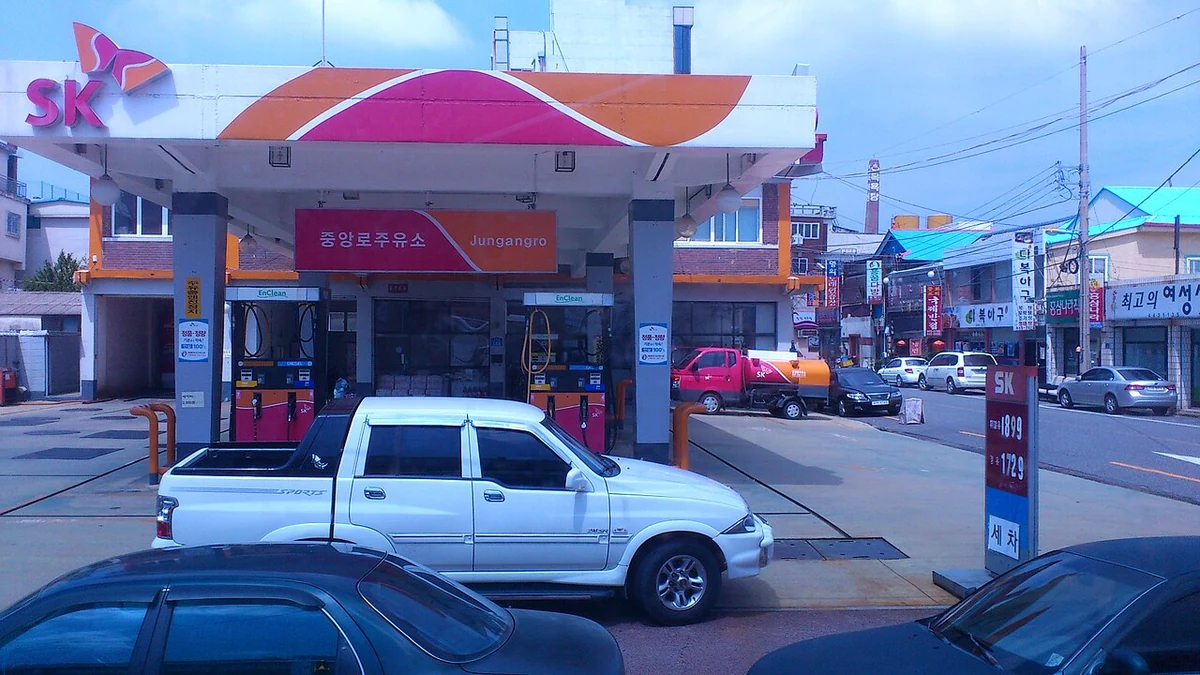
South Korea’s consumer inflation slowed to 2.9% in September from 3.1% in August, returning to the 2% range after a one-month move above 3%. The consumer price index rose 0.3% from August and stood at 120.43 on a 2020=100 basis, according to the country’s Ministry of Data and Statistics.
The moderation in the headline rate did not mean price pressure disappeared. Fuel-related costs remained elevated, industrial-goods inflation strengthened, and underlying inflation stayed above the Bank of Korea’s 2% target. The September result therefore gives policymakers a softer headline number without removing the inflation problem that prompted the central bank to raise interest rates in August.
The official September consumer-price release showed that the index excluding food and energy rose 2.8% from a year earlier. A second core measure excluding agricultural products and petroleum products increased 2.7%. Both measures point to broader inflation running below the headline rate but still comfortably above the central bank’s target.
Headline inflation eased, but the comparison was distorted by August
September’s 2.9% year-over-year reading was 0.2 percentage point lower than August’s 3.1%. The statistical agency cautioned, however, against reading that decline as a simple month-to-month cooling in underlying pressure. Officials said the biggest reason the annual rate fell was the disappearance of a temporary base effect tied to mobile-phone charges that had boosted the August comparison.
That distinction matters because several other parts of the price basket did not weaken. Goods prices rose 3.1% from a year earlier, including a 4.2% increase in industrial products. Electricity, gas and water prices were 0.4% higher than a year earlier, while services rose 2.7%. Private services, which can be more persistent than volatile food or energy prices, increased 3.5%.
On a monthly basis, the pattern was also mixed. The overall CPI rose 0.3% from August. Goods prices increased 1.1%, agricultural, livestock and fisheries products rose 2.3%, and electricity, gas and water jumped 5.5%. Services fell 0.3% on the month, helping offset some of those increases.
Household-facing inflation was a little lower than the headline measure. The living necessities index, which focuses on items purchased frequently by consumers, rose 2.5% from a year earlier and 0.7% from August. Food within that index was up 1.6% year over year, while non-food items rose 3.1%.
Food provided relief while petroleum costs stayed a pressure point
Agricultural, livestock and fisheries prices were 0.3% lower than a year earlier, creating an important offset to higher industrial-goods and service prices. Agricultural prices fell 4.0%, helped by greater seasonal supply of fruit around the Chuseok holiday and government discount support, according to the statistical agency’s briefing.
Fresh-food prices were 3.3% lower than a year earlier even though they increased 2.7% from August. Fresh fruit prices fell 11.1% from a year earlier and fresh vegetables slipped 0.1%, while fresh fish and shellfish increased 5.0%. The agency said fruit declines deepened as supplies of apples, pears and other autumn produce increased ahead of the holiday period.
Fuel was the more difficult part of the inflation picture. Detailed reporting on the government data showed petroleum-product prices up 14.8% from a year earlier, extending a double-digit rise. That pressure helps explain why the headline rate remained close to 3% even with agricultural prices falling. The government has also been using a petroleum price cap to limit the pass-through from higher energy costs.
The September data fit a broader pattern seen through the middle of the year. Headline inflation had risen to 3.2% in June before slowing to 2.8% in July and then rising again to 3.1% in August. Energy costs have been an important source of volatility, while the September briefing also pointed to stronger prices for processed foods and durable goods.
For consumers, that mix means a lower national inflation rate does not necessarily translate into broad relief at the checkout counter or fuel pump. Food prices were relatively favorable in annual terms, but frequently purchased non-food goods and some manufactured products continued to post firmer increases.
The Bank of Korea still faces inflation above target
September inflation remained above the Bank of Korea’s 2% medium-term target. At its August 27 meeting, the Monetary Policy Board raised the Base Rate by 25 basis points to 3.00%, saying the domestic economy was growing faster than expected and inflation was likely to remain above target for a considerable period.
The August decision was not unanimous. Six board members supported the increase, while one member favored keeping the rate at 2.75%. That split showed policymakers balancing persistent inflation against the cost of tighter financial conditions, even as stronger exports and recovering domestic demand supported growth.
The September CPI report gives the central bank evidence that headline inflation has moved back below 3%, but it does not yet show a clean return toward target. Core inflation excluding food and energy remained at 2.8%, private-service inflation was 3.5%, and industrial products rose faster than the overall index. Those figures are likely to matter alongside the headline number because they can provide a better view of whether price pressure is becoming embedded across the economy.
The Monetary Policy Board’s next scheduled rate-setting meeting is October 22. By then, policymakers will have the September inflation figures alongside updated information on growth, financial conditions and energy prices. The question for the central bank is not simply whether inflation has fallen from August, but whether the components underneath the headline are cooling enough to move sustainably toward 2%.
More News


Latest News
View all news- Tesla Delivers 486,532 Vehicles in Third Quarter, Produces 464,391
- Switzerland Backs CHF 10 Billion Extension of International Monetary Assistance
- Scotiabank Gets Approval to Expand Share Buyback to 40 Million Shares
- Rivian Delivers Record 19,248 Vehicles in Third Quarter as R2 Production Ramps
- Rithm Capital Closes DRA Joint Venture for 1301 Avenue of the Americas