U.S. Adds 29,000 Jobs in September as Unemployment Rises to 4.2%
Payroll growth slowed sharply in September, while prior months were revised down by a combined 60,000 jobs and wage growth eased to 3.0% from a year earlier.
Our editorial standards
MarketReview publishes clear, independently produced financial information using reliable sources and transparent editorial standards.
Read our Editorial Policy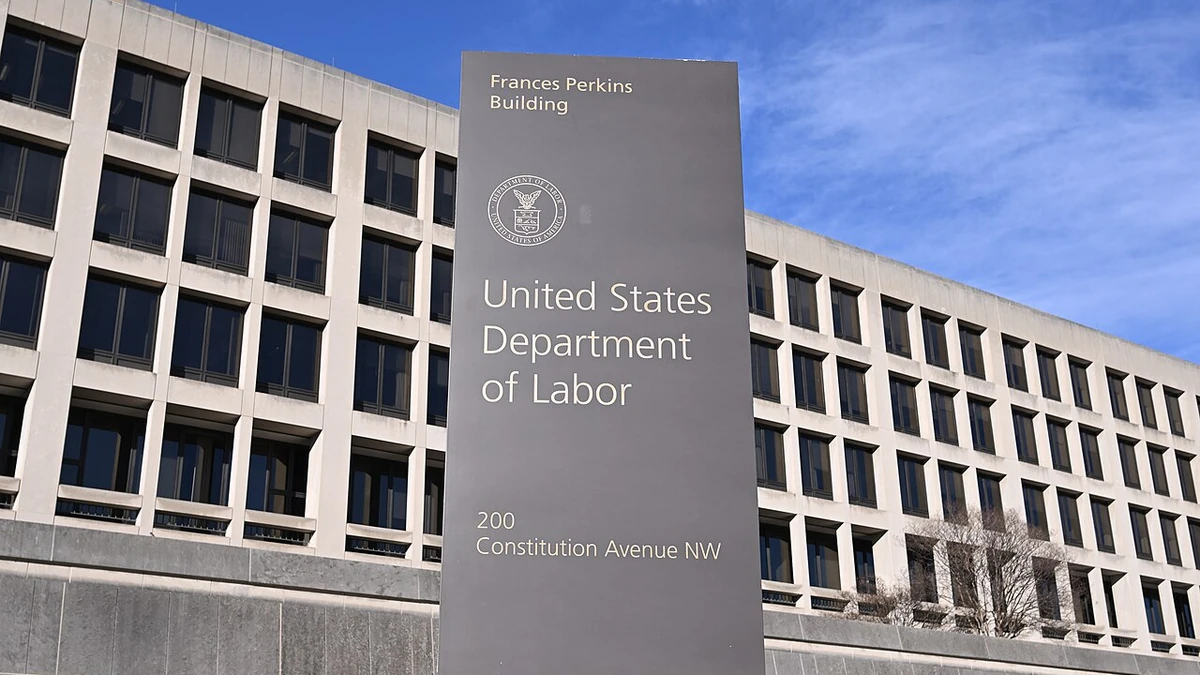
U.S. employers added 29,000 jobs in September, while the unemployment rate rose to 4.2% from 4.1% in August, according to the Bureau of Labor Statistics. The report showed a labor market that continued to expand, but at a much slower pace than the economy had averaged over the previous year.
September’s payroll increase followed an average monthly gain of 45,000 over the prior 12 months. The unemployment rate also moved higher even as the household survey showed employment rising during the month. The two headline measures come from separate BLS surveys, so they can move differently from one month to the next.
The September Employment Situation report also brought weaker revisions to the summer data. July payrolls were revised from a gain of 21,000 to a loss of 10,000, while August was revised from 162,000 to 133,000. Together, those changes reduced previously reported employment growth for July and August by 60,000 jobs.
Hiring was subdued across most major industries
BLS said employment changed little across all major industries in September. Health care continued to add jobs, rising by 17,000, but that was about half the sector’s average monthly gain of 33,000 over the previous 12 months. Ambulatory health care services added 13,000 jobs and hospitals added 12,000, while nursing and residential care facilities lost about 9,000.
Construction employment increased by 11,000, close to its average monthly gain over the prior year. Manufacturing added 9,000 jobs and was up by 72,000 from a recent low in December 2025. Those increases were modest enough that BLS still characterized employment in both industries as little changed for the month.
Elsewhere, information employment fell by 10,000, professional and business services declined by 9,000, and financial activities fell by 7,000. Government payrolls declined by 17,000. Private-sector payrolls increased by 46,000, while the government decline pulled the overall nonfarm gain down to 29,000.
The pattern left the three-month average for total nonfarm payroll growth at 51,000. That is above September’s single-month increase but still points to a labor market expanding more slowly than during stronger hiring periods earlier in the cycle. BLS avoided describing any major industry as showing a large September swing, emphasizing that the changes were generally small.
Unemployment rose as more people entered the labor force
The unemployment rate increased by one-tenth of a percentage point to 4.2%. The household survey showed employment rising by 406,000 in September, but the civilian labor force increased by a larger 485,000. The number of unemployed people therefore increased by 78,000 over the month.
Labor-force participation edged up to 61.8%, while the employment-population ratio was 59.2%. Those measures help explain why a month can show both stronger household employment and a higher unemployment rate: more people were counted as participating in the labor market, and not all of the additional entrants were employed.
The number of people marginally attached to the labor force fell by 236,000 to 1.5 million, according to BLS. Within that group, the number of discouraged workers was little changed at 414,000. The figures provide additional context beyond the headline unemployment rate because they capture people who want and are available for work but have not searched recently enough to be counted as unemployed.
September’s labor-force data therefore did not show a simple contraction in employment. Instead, the household survey recorded a larger labor force, higher employment and a modest increase in unemployment at the same time. The payroll survey, meanwhile, showed employers adding relatively few positions and prior job gains being revised lower.
Wage growth cooled while hours held steady
Average hourly earnings for private-sector workers rose by 5 cents, or 0.1%, to $37.81 in September. Earnings were up 3.0% from a year earlier. For production and nonsupervisory employees, average hourly earnings increased by 7 cents, or 0.2%, to $32.60.
The average workweek for all private-sector employees held at 34.4 hours. In manufacturing, the workweek remained at 40.6 hours and overtime stayed at 3.0 hours. Stable hours combined with slower wage growth added to the report’s picture of a labor market that was still functioning without showing broad acceleration.
The revisions also matter for interpreting the trend. July is now shown as a month of net job losses rather than modest gains, and August’s increase is smaller than initially reported. With September adding only 29,000 positions, the latest sequence looks softer than it did before the revisions were incorporated.
BLS is scheduled to release the October Employment Situation on November 6, 2026, at 8:30 a.m. Eastern Time. That report will provide another month of payroll and household-survey data and will include the next revisions to the September estimate.
More News



Latest News
View all news- Switzerland Backs CHF 10 Billion Extension of International Monetary Assistance
- South Korea Inflation Cools to 2.9% in September as Fuel Costs Stay High
- Scotiabank Gets Approval to Expand Share Buyback to 40 Million Shares
- Rivian Delivers Record 19,248 Vehicles in Third Quarter as R2 Production Ramps
- Rithm Capital Closes DRA Joint Venture for 1301 Avenue of the Americas