German Production Rebounds 2.0% in August as Construction Surges
Germany reported a 2.0% monthly rise in August production, but the narrower industrial measure increased only 0.6% as construction drove much of the rebound.
Our editorial standards
MarketReview publishes clear, independently produced financial information using reliable sources and transparent editorial standards.
Read our Editorial Policy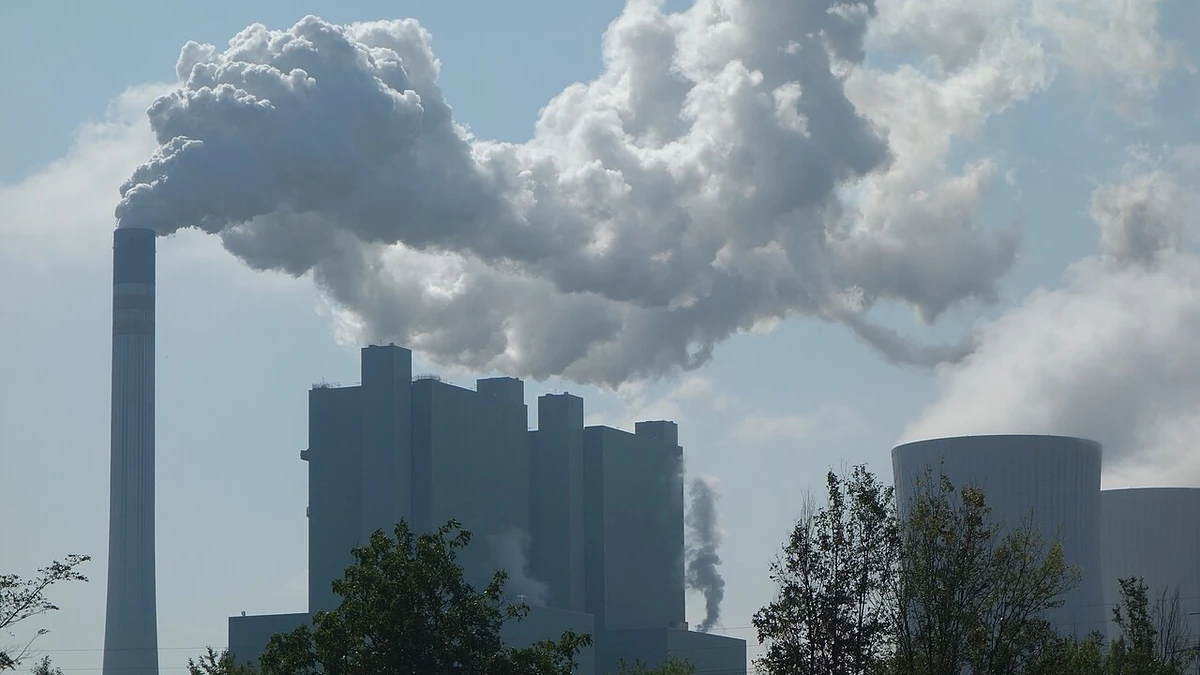
German production rebounded in August after a July decline, but the headline improvement was driven heavily by construction and did little to erase signs that the country’s factory sector remains uneven. The Federal Statistical Office, or Destatis, said production in industry rose 2.0% from July after seasonal and calendar adjustment, recovering from a revised 1.2% drop in the previous month. Compared with August 2025, output was up 2.3% on a calendar-adjusted basis.
That 2.0% gain, however, refers to the broader “production in industry” measure, which includes construction and energy alongside manufacturing. The narrower industrial production measure that excludes energy and construction rose only 0.6% in August. That distinction matters because it shows that the headline rebound was broader than a pure factory revival, and much of the strength came from areas outside core manufacturing.
Construction and machinery led the rebound
According to Destatis, construction output rose 9.3% in August from the previous month, while energy production increased 1.1%. Within industry excluding energy and construction, capital goods production rose 1.4% and consumer goods output climbed 3.2%, while intermediate goods output slipped 0.3%.
A sector breakdown showed a similarly mixed picture. Machinery and equipment production increased 5.3% from July, making it one of the stronger contributors to the month’s rebound. Output of fabricated metal products rose 3.8%, and food production increased 3.1%. By contrast, the volatile automotive sector moved the other way. Production of motor vehicles, trailers and semi-trailers fell 5.4% in August after a stronger showing a month earlier.
The details suggest the August recovery was real but not broad based across all of German industry. Construction had an outsized influence on the aggregate number, while manufacturing activity improved only modestly once construction and energy are stripped out. That leaves the production picture firmer than in July, but still short of a convincing industrial upswing.
Three-month trend improved, but factory demand weakened
Destatis said the less volatile comparison over three months also turned positive. Production in the period from June through August was 0.4% higher than in the previous three months. Within that, industrial production excluding energy and construction was up 0.8%. Those figures help smooth out the month-to-month swings that often affect industrial data, especially in sectors such as autos and capital goods.
Even so, the forward-looking demand picture deteriorated. In a separate release a day earlier, Destatis said real new orders in manufacturing fell 10.6% in August from July, almost entirely because orders for other transport equipment, including aircraft, ships and trains, dropped sharply after an unusually strong July. Excluding large-scale orders, new orders were down just 0.1%, a far milder change, but the headline decline still points to an uneven demand backdrop for German factories.
The orders report tempers the production rebound. August output was stronger than July, yet incoming business weakened markedly at the same time. Companies can still raise output by working through backlogs or completing earlier contracts even as fresh demand softens. It also means investors and economists are unlikely to treat the August production gain as a clean sign that the manufacturing downturn is over.
Turnover data were not particularly strong either. Destatis said real turnover in manufacturing was unchanged in August from the previous month, after a revised 1.4% decline in July. Taken together, production, orders and turnover paint a picture of a sector that is still moving in fits and starts rather than in a clear upward line.
July revision and sector mix shape the market reading
The revision to July also matters for how August is interpreted. Destatis had initially estimated that production fell 1.1% in July. The updated figure showed a slightly larger 1.2% decline. That means August’s 2.0% increase came off a somewhat weaker base than first reported, but not by enough to change the basic narrative. Output recovered, yet the composition of that recovery was still skewed toward construction and a few manufacturing categories rather than a broad industrial advance.
For economists, the split between the broader output gauge and the narrower industrial measure is likely to remain central. Germany’s industrial economy has faced a long stretch of stop-start activity tied to weak external demand, high energy costs, and sector-specific volatility, particularly in autos and transport equipment. A month in which total production rises 2.0% but core industrial output gains only 0.6% fits that pattern of partial improvement rather than a decisive turn.
The automotive decline was especially notable because the sector remains a major part of German industry and a common source of swings in the monthly data. Destatis has previously revised the method used to calculate motor-vehicle production to better capture the growing share of electric vehicles in Germany. Even with that methodological update, auto output continues to show pronounced volatility, which can amplify month-to-month changes in the broader industrial figures.
August’s report therefore offers two readings at once. On the surface, Germany recorded a solid rebound in production after a weak July, and the three-month comparison improved. Underneath, the recovery was not as strong in core industry, orders turned sharply lower, and autos remained a drag. The next production release will show whether August was the start of a more durable recovery or another temporary bounce in a still-fragile industrial cycle.
More News

Latest News
View all news- UK Trade Remedies Authority Proposes Five-Year Anti-Dumping Duty on Chinese Rutile Titanium Dioxide
- Safe Pro Expects Q3 Revenue Above $2.5 Million as U.S. Government Contract Work Accelerates
- OCC Launches Direct Payments-Fraud Reporting Tool for Community Banks
- Norway Proposes NOK 608.4 Billion in Wealth-Fund Spending and NOK 6.4 Billion Income-Tax Cut in 2027 Budget
- New York Fed Research Finds Most Firms Barely Change Investment After Rate Shocks, but a Small Minority React Sharply