Australia’s Unemployment Rate Rises to 4.7% in September
Employment fell by 39,300 people as part-time job losses outweighed full-time gains, giving the Reserve Bank another sign of a cooling labor market.
Our editorial standards
MarketReview publishes clear, independently produced financial information using reliable sources and transparent editorial standards.
Read our Editorial Policy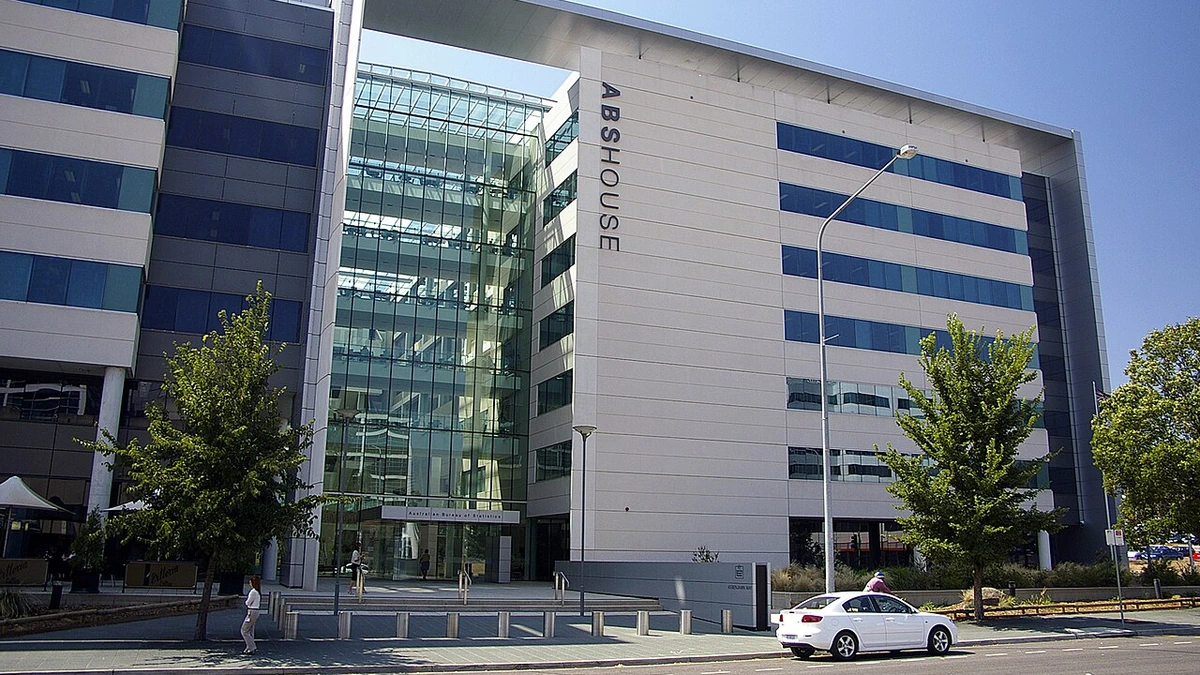
Australia’s unemployment rate edged higher to 4.7% in September as the number of employed people fell by 39,300, adding to evidence of a softer labor market. The Australian Bureau of Statistics (ABS) said Thursday that 732,000 people were unemployed, an increase of 8,900 from August.
The rise in the jobless rate was small, but the decline in employment was more pronounced. Fewer people were participating in the labor force, and a steep drop in part-time employment outweighed an increase in full-time work. Those movements give a fuller picture of September than the unemployment rate alone.
Part-Time Employment Accounts for the Monthly Decline
Part-time employment fell by 73,700 people in September, according to the ABS’s detailed labor force figures. Full-time employment rose by 34,400. Together, those movements left total employment at 14,782,700, down 0.3% on a seasonally adjusted basis.
The split is important because the headline employment decline did not reflect losses across both categories. Gains in full-time employment partly offset the reduction in part-time workers, although not by enough to prevent a fall in the total number of people with jobs. The ABS did not identify a single industry or cause as responsible for the nationwide monthly change in its headline release.
Australia’s employment-to-population ratio declined from 63.9% to 63.6%, a measure of how much of the working-age population is employed. The labor force participation rate also slipped, from 67.0% to 66.8%. That means the month brought both a smaller share of people in work and a smaller share either working or actively looking for work.
Hours worked moved in the other direction. Total monthly hours edged up 0.1% to about 2.011 billion, with full-time hours increasing 0.4% and part-time hours declining 1.5%. The difference between falling employment and slightly higher total hours shows why headcount and hours are useful separate measures of labor demand; they did not point in precisely the same direction in September.
Compared with a year earlier, the economy still had 168,300 more employed people, an increase of 1.2%. Total hours worked were 1.3% higher than a year ago. Annual growth therefore remained positive, even as the latest monthly employment reading weakened.
Why August and September Both Round to 4.7%
The ABS reported that the seasonally adjusted unemployment rate increased by 0.1 percentage point in September. Its latest tables nevertheless show 4.7% for both August and September. That is not a contradiction: monthly movements are calculated from unrounded estimates, and the published rates are rounded to one decimal place.
The distinction matters because the agency’s original August release, issued on September 24, reported an unemployment rate of 4.6%. The August figure has since been revised to 4.7% in the September data. Comparing the new September rate with the original August headline without recognizing that revision would give readers an incomplete account of the change.
The number of unemployed people rose by 8,900 in September to 732,000, up 55,200 from a year earlier. The unemployment rate was also 0.3 percentage point higher than in September 2025. Those annual comparisons suggest a broader easing in labor market conditions than the small movement between the two most recent months might convey.
Other measures showed pressure in parts of the labor market. The underemployment rate, covering people who have work but want and are available for additional hours, increased from 6.2% to 6.3%. Youth unemployment rose 0.3 percentage point to 11.1%. Neither figure should be read as evidence that all workers or age groups experienced the same deterioration.
Regional results were mixed, too. New South Wales recorded a 0.4-percentage-point rise in unemployment to 4.7%, while Victoria’s rate was 5.1% after a small monthly decline. Queensland was at 4.5%. These state figures underline that a national average can conceal differences in local job markets, particularly over a single survey month.
The ABS Urges Care With Short-Term Comparisons
A smoother measure presented a less abrupt picture. The trend unemployment rate remained at 4.6% in September, while trend employment increased by 15,700 people. Trend estimates are designed to reduce short-term volatility, so they can differ from the seasonally adjusted monthly figures without invalidating either series.
There is also a specific measurement issue in this release. The ABS has changed how it collects supplementary survey questions, removing a historical effect associated with additional questions previously asked in February and August. It said the new approach could still have a small residual influence on September’s seasonally adjusted results, something that will become clearer as more observations become available.
Quality checks found the September statistics fit for use, the agency said. Still, it advised caution in interpreting short-term changes and continued to describe trend data as the better guide to underlying labor market behavior. That qualification is relevant when the reported monthly increase in unemployment is just one-tenth of a percentage point.
Changes to the survey also required the ABS to adjust the weights of approximately 1,400 respondents in a Victorian rotation group to keep the results representative of the population. The agency said it would continue monitoring the group. That methodological adjustment is separate from the economic changes reported for September and should not be presented as proof that the job losses were caused by a survey problem.
Jobs Data Arrives After Another Reserve Bank Rate Increase
The figures add a fresh employment reading to an economic picture in which weaker labor demand and persistent inflation are pulling on monetary policy in different directions. On September 29, the Reserve Bank of Australia raised its cash rate target by 25 basis points to 4.60%, citing inflation that remained too high and renewed upside risks to prices.
In that decision, the central bank said labor market conditions had eased broadly as expected and leading indicators were generally stable. The September employment decline provides another data point for assessing that view, but a single monthly survey does not establish whether the economy is entering a prolonged period of job losses or how the bank will vote next.
Inflation remains a central constraint. The latest ABS consumer price report showed annual headline inflation at 4.0% in August, up from 3.5% in July, while trimmed mean inflation held at 3.6%. A softer labor market could eventually reduce pressure on wages and demand, but the Reserve Bank must weigh such evidence against inflation outcomes and its assessment of future risks.
The timing of the next releases makes that distinction especially relevant. September consumer price figures are scheduled for October 28, before the Reserve Bank’s next monetary policy meeting on November 2–3. The decision is due November 3, whereas the ABS is not scheduled to release October labor force data until November 19. September’s employment figures will therefore be the latest monthly labor force report available for that policy meeting.
More News
Latest News
View all news- Prologis Q3 Core FFO Rises to $1.60 a Share as Leasing Demand Holds Firm
- U.S. Natural Gas Storage Rises 67 Bcf to 3,567 Bcf, EIA Reports
- U.S. Business Inventories Increase 0.4% in August as Sales Climb 1.1%
- Philadelphia Fed Manufacturing Index Falls to 20.9 as Factory Growth Moderates
- New York Manufacturing Index Jumps to 25.5, Highest Since December 2021