
French Inflation Accelerates to 3.1% in September as Energy Prices Rise
Diesel and petrol led a sharp rise in fuel costs, while services inflation and fresh-food prices also quickened in INSEE's final September reading.
Our editorial standards
MarketReview publishes clear, independently produced financial information using reliable sources and transparent editorial standards.
Read our Editorial Policy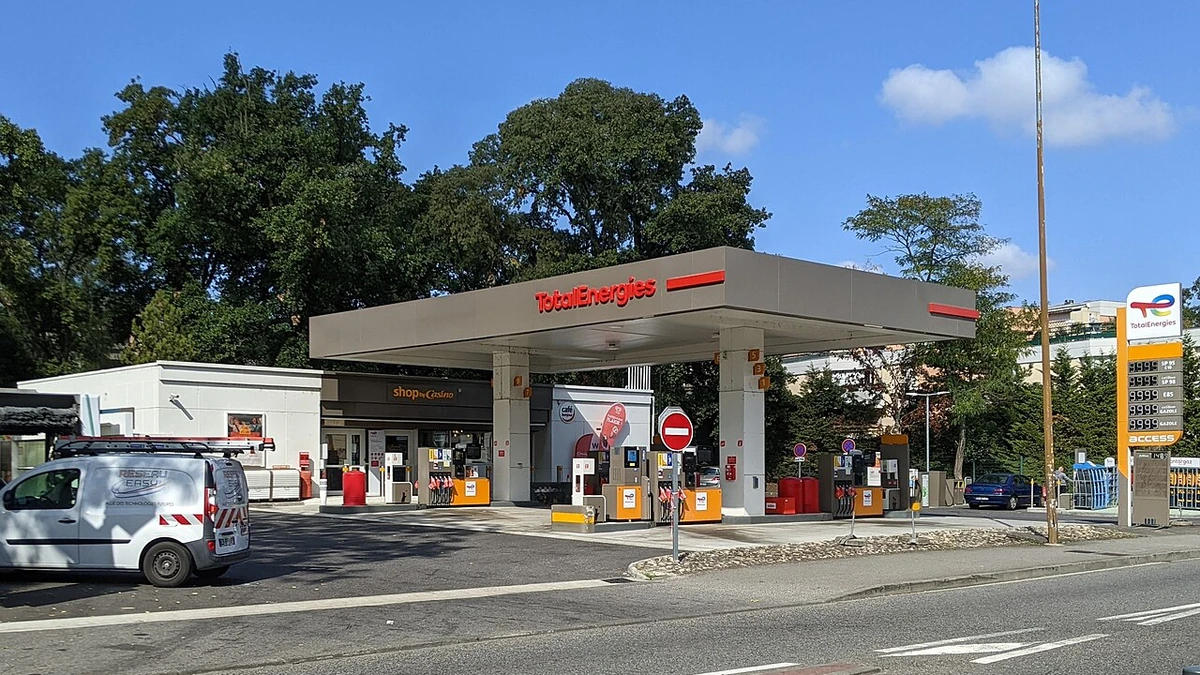
France’s annual consumer-price inflation accelerated to 3.1% in September from 2.4% in August, largely driven by energy costs, final figures released Thursday showed. The rate matched the reading recorded in January 2024 and was the highest since that month.
Energy prices rose 21.3% from a year earlier, compared with 16.7% in August. Services and food inflation also increased, although manufactured goods remained slightly cheaper than a year ago. The mix helps explain why the headline figure was rising even as some everyday prices followed different paths.
The final September consumer-price figures, published by France’s national statistics agency INSEE on October 15, were 0.1 percentage point above its preliminary annual estimate of 3.0%. The agency also confirmed that the overall index fell 0.3% from August, a monthly decline that was largely seasonal.
Fuel and gas prices drive the acceleration
Petroleum products accounted for much of the energy increase. Their prices were 36.2% higher than in September 2025, after rising 28.7% over the year to August. Diesel prices increased 44.1% year over year, compared with 36.4% in August, and petrol prices rose 25.7%, up from a 19.1% annual increase the month before.
Other household energy costs showed very different rates of change. Liquid fuels, a category that includes heating fuels, were up 64.6% from a year earlier, while gas rose 19.0%. Electricity prices increased by a more modest 1.4%. The equivalent August figures were 47.8% for liquid fuels, 14.3% for gas and 1.1% for electricity.
The rise was not merely the result of comparing September with a low price level a year earlier. INSEE’s energy index increased 3.9% between August and September alone, following monthly gains of 3.4% in August and 2.3% in July. That amounted to three consecutive months of rising energy prices, reinforcing their effect on the annual inflation rate.
Energy has a weight of 7.64% in France’s 2026 consumer-price basket, with petroleum products accounting for 3.70%. Such a large change in a comparatively small part of the index can still have a considerable effect on the national figure. Actual household exposure will differ, particularly between people who rely heavily on cars or oil heating and those who do not.
Services and fresh food add to price pressures
The increase extended beyond petrol stations and household energy bills. Services inflation reached 2.4% from a year earlier, up from 1.9% in August. Transport services were 5.1% more expensive than a year before, compared with just 0.8% in August. Airfares rose 10.0% on an annual basis and rail transport prices 4.6%, both faster than the month before.
Accommodation services also recorded a faster annual increase, at 4.9% compared with 0.7% in August, and insurance prices rose 4.4%. There were countervailing movements: the pace of communication-services inflation eased to 6.2% from 10.1%. Services carry more than half the weight in the French CPI basket, making the change in this broad category important even when energy is the main immediate driver.
Food prices were 1.4% above their level a year earlier, compared with a 1.1% rise in August. Fresh produce was the standout category, with prices up 9.5%, accelerating from 5.9%. INSEE linked some of the increases to heatwaves, citing a 35.8% annual rise for fruiting vegetables such as tomatoes and courgettes. By contrast, food excluding fresh products was up just 0.4%, unchanged from August.
Manufactured products offered some relief, with their prices down 0.3% from a year earlier, following a 0.4% decline in August. The contrasting movements were also evident in core inflation, which excludes volatile prices and certain other influences. That measure increased to 1.5% from 1.1%, well below the overall 3.1% rate but moving higher nonetheless.
The national average cannot capture every household’s spending pattern. INSEE’s index excluding tobacco for households in the lowest fifth of the living-standards distribution rose 3.3% over the year, versus 3.1% for all households on the same basis. That difference is small, but it illustrates how inflation experienced through a particular mix of purchases can diverge from the headline index.
Why the monthly index fell despite higher inflation
France’s unadjusted CPI declined 0.3% in September after rising 0.7% in August. The main reason was the typical post-summer retreat in service prices. Accommodation services fell 15.0% from the previous month and transport services dropped 9.8%. Together, they helped pull the broader services index down 1.4% even as energy became more expensive.
The monthly decline does not mean prices fell across the economy. Energy increased 3.9% from August, manufactured products rose 0.5% and food edged up 0.1%. Seasonal changes can be large in categories tied to holidays and travel, so the unadjusted monthly headline is not a clean measure of underlying momentum.
After adjustment for seasonal patterns, INSEE reported that consumer prices rose 0.8% in September, following a 0.2% increase in August. The 3.1% annual rate, meanwhile, compares prices with September 2025 rather than August 2026. Read together, the measures show a faster annual pace of inflation alongside a calendar-related monthly fall, not a contradiction in the data.
French inflation remains below the euro-area estimate
France’s national CPI is distinct from the harmonised measure used for comparisons across European Union countries. Its Harmonised Index of Consumer Prices rose 3.4% year over year in September, up from 2.6% in August. INSEE said differences in basket weights accounted for almost all of the 0.34-percentage-point gap between the harmonised and national inflation rates.
For the wider euro area, Eurostat’s October 2 flash estimate put September inflation at 3.8%, up from 3.2% in August. Energy inflation for the currency union was estimated at 18.8%, compared with 14.3% the previous month. France’s confirmed 3.4% harmonised rate was therefore below the provisional euro-area reading, although the two figures had been released at different stages of the statistical calendar.
Eurostat is scheduled to publish the complete September figures for the euro area on October 16. France’s next provisional inflation estimate, for October, is due on October 30, followed by its final October results on November 13. Those releases will provide the next evidence on whether the increase in fuel and gas prices is continuing to shape consumer inflation.
More News


Latest News
View all news- Prologis Q3 Core FFO Rises to $1.60 a Share as Leasing Demand Holds Firm
- U.S. Natural Gas Storage Rises 67 Bcf to 3,567 Bcf, EIA Reports
- U.S. Business Inventories Increase 0.4% in August as Sales Climb 1.1%
- Philadelphia Fed Manufacturing Index Falls to 20.9 as Factory Growth Moderates
- New York Manufacturing Index Jumps to 25.5, Highest Since December 2021
