Australian Wages Rise 1.1% in Third Quarter, Fastest Quarterly Increase Since Late 2023
Public-sector pay grew faster than private wages, with new workplace agreements and a larger award-wage increase helping lift the September-quarter result.
Our editorial standards
MarketReview publishes clear, independently produced financial information using reliable sources and transparent editorial standards.
Read our Editorial Policy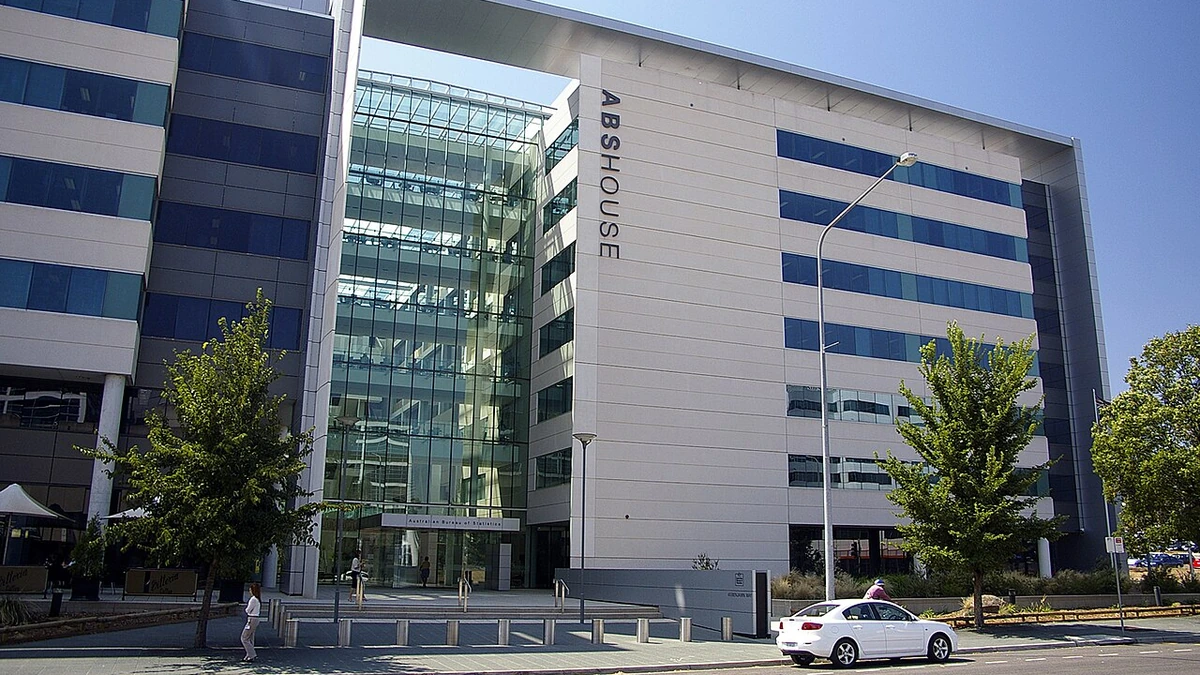
Australian wages rose 1.1% in the September quarter, their fastest quarterly increase since late 2023, as increases under modern awards and workplace agreements lifted hourly pay rates. The Australian Bureau of Statistics reported on Wednesday that annual wage growth reached 3.5%, up from 3.2% in the June quarter.
The seasonally adjusted Wage Price Index had increased by just 0.7% in the preceding quarter and 0.8% in the March quarter. The new result matches the 1.1% recorded in December 2023, although the annual pace remains below the 4.3% reached at the end of that year. Annual growth was also slightly above the 3.4% recorded in September 2025.
The ABS Wage Price Index release measures changes in hourly rates of pay for comparable jobs, rather than changes in average earnings caused by shifts in the workforce. Its headline measure excludes bonuses. That distinction matters: a strong index reading does not mean every employee received an equivalent raise, or that take-home household income increased by the same amount.
Award increases and workplace agreements lift wages
A central factor was the Fair Work Commission’s annual wage review, which increased modern award wage rates by 4.75% from July 1. The increase was larger than the 3.5% adjustment a year earlier. Award rates set minimum pay for workers covered by those arrangements, so the timing of the decision makes the September quarter an important period for assessing its effect.
The ABS said wage-setting decisions by the commission were a key driver of private-sector wage growth during the quarter. Award-covered jobs made a larger contribution to overall pay increases than they had in the preceding quarter. But the figures do not support attributing the entire 1.1% national increase to the minimum-wage decision.
In the bureau’s analysis of how pay is set, individual arrangements and enterprise agreements contributed almost equally to quarterly wage growth, with award wages accounting for a smaller, though still substantial, share. These contributions are reported using original, or unadjusted, data rather than the seasonally adjusted headline series. They show that negotiated and scheduled pay changes were also important.
The distribution of raises shifted as well. Among jobs included in the ABS measure of annualised wage changes, 34% recorded increases greater than 4%, compared with 24% a year earlier. The share with increases below 4% fell to 66% from 76%. The bureau noted that increases above 6% remained less common than at their peak during 2023 and 2024. The figures describe jobs that had a wage change in the preceding four quarters, not every job in the economy.
Public-sector pay remains ahead; health care leads contributions
Public-sector wages rose 1.3% in the September quarter, compared with 1.0% in the private sector, on a seasonally adjusted basis. Over the year, public-sector pay increased 3.9%, against 3.4% for private employees. That was the seventh consecutive quarter in which annual public-sector wage growth exceeded the private-sector rate.
The ABS attributed the main public-sector increase to enterprise agreements covering frontline state government workers, including nurses, midwives and police officers. Such agreements can deliver pay increases at specified dates, concentrating their effect in a particular quarter even when the underlying arrangements were negotiated earlier.
Health care and social assistance was the largest industry contributor to wage growth in the quarter, accounting for 26% of the increase in the bureau’s industry contribution analysis. The ABS said the sector’s contribution reflected pay growth in both private and public employment. The industry’s size also matters: an industry can contribute heavily to national wage growth because it employs many people, even if it does not record the fastest percentage wage increase.
Pay-setting arrangements cut across the sector split. Private employers faced a higher award-wage floor, while government pay agreements lifted wages for substantial groups of public employees. Negotiated increases for individual workers also fed into the overall measure, making it difficult to trace the national acceleration to a single group or decision.
On an unadjusted basis, the national index rose 1.7% during the quarter, rather than the 1.1% shown in the seasonally adjusted headline. The difference reflects how recurring seasonal patterns are handled in the two series. It is especially relevant for September-quarter wage reports, when scheduled pay reviews often take effect. Comparing a state’s or industry’s original quarterly figure directly with the national seasonally adjusted rate would therefore give a misleading impression of their relative performance.
Inflation complicates the picture for household purchasing power
The stronger wage reading arrived against a difficult inflation backdrop. Consumer prices were 4.3% higher in September than a year earlier, according to the ABS Consumer Price Index, while its trimmed mean measure of underlying inflation was 3.6%. Both were above the 3.5% annual rise in the wage index, although the indicators measure different things and do not translate directly into the change in any individual household’s disposable income.
The gap illustrates why faster nominal wage growth does not automatically deliver stronger purchasing power. Tax changes, hours worked, employment patterns and the mix of goods and services a household buys can all affect the amount of income available after living expenses. The wage index is useful for tracking the price of labour, but it is not a complete measure of household finances.
The Reserve Bank of Australia had already raised its cash rate target by 0.25 percentage points to 4.85% on November 3. In its monetary policy decision, the central bank pointed to persistent inflation and domestic capacity pressures, warning that inflation was likely to remain above its 2% to 3% target range for longer than previously expected. The wage figures were released after that decision and therefore could not have informed the November vote.
For policymakers, the source and persistence of pay increases matter as much as the quarterly figure. Stronger wages can support household spending, but their implications for inflation depend partly on productivity and whether businesses absorb higher labour costs or pass them through to prices. A scheduled award increase is also different from evidence that wage rises are accelerating continuously across the workforce.
Australia’s next monthly consumer inflation report is scheduled for November 25, ahead of the Reserve Bank’s next monetary policy decision on December 8. The ABS has scheduled the December-quarter Wage Price Index release for February 23, 2027, which will show whether the latest increase was concentrated in the September pay-setting period or accompanied by a sustained change in wage growth.
More News


Latest News
View all news- BILL Agrees to $6 Billion Take-Private Acquisition Led by TPG, With Corpay Taking Minority Stake
- South Korea Readies Stock Market Stabilization Fund After Emergency Meeting
- Nintendo’s $50 Switch 2 Bundle Discount Begins at U.S. Retailers
- U.S. Rail Exemption Takes Effect for Nearly 60 Miles of Pennsylvania Rail Lines
- Qatar’s Inward Foreign Investment Stock Rises 5.2% to QAR 180.6 Billion