UPS Holiday Shipping Surcharges Increase as Higher Peak-Season Rates Take Effect
UPS is charging more for residential ground, air and oversized parcels during its highest-priced holiday window, which runs through December 26.
Our editorial standards
MarketReview publishes clear, independently produced financial information using reliable sources and transparent editorial standards.
Read our Editorial Policy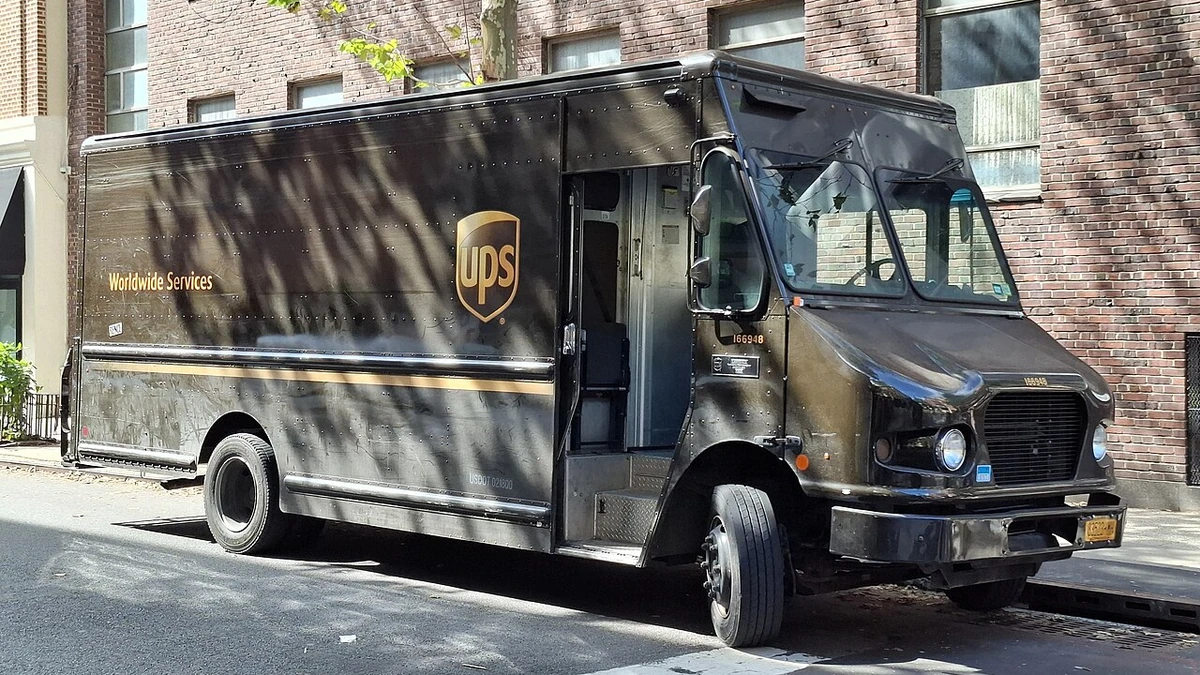
UPS has moved into the most expensive phase of its 2026 holiday shipping surcharge schedule, raising temporary per-package fees on residential ground deliveries, covered air shipments and packages that require special handling. The higher rates took effect Sunday, November 22, and are scheduled to run through December 26.
For UPS Ground Residential and UPS Ground Saver, the standard demand surcharge has increased to 75 cents per package from 50 cents. The charge on UPS Next Day Air and other covered air services has climbed to $2.50 from $1.35. Those are additions to the regular shipping price, not the total cost of sending a package.
The changes arrive as businesses prepare for the busiest weeks of the holiday delivery calendar. The extra 25 cents on a residential ground parcel may appear modest in isolation, but it adds $250 for every 1,000 such packages shipped under the standard schedule. For covered air shipments, the $1.15 increase adds $1,150 per 1,000 packages, before other applicable charges. These are illustrative calculations, not estimates of any particular customer’s bill.
Residential Ground and Air Fees Reach Their Seasonal High
UPS laid out the three-stage structure in its official U.S. demand surcharge schedule. The first period for the standard Ground Residential, Ground Saver and air charges ran from October 25 through November 21. The higher middle period began November 22, with the earlier rates due to return on December 27 and remain in place through January 16, 2027.
Under the schedule, Ground Saver and Ground Residential both carry a 75-cent demand charge during the middle period. UPS Next Day Air has a $2.50 charge, as do the services listed in the document as “All Other UPS Air.” UPS specifies that this latter category includes UPS 2nd Day Air A.M., UPS 2nd Day Air and UPS 3 Day Select. The temporary charges therefore affect more than overnight delivery.
The distinction between the underlying rate and the seasonal add-on is important. UPS calculates a shipment’s normal transportation price according to the service and characteristics of the package, with other charges potentially applying. The holiday demand fee sits on top of those amounts. A 75-cent surcharge does not mean residential ground service itself costs 75 cents, nor does a $2.50 air surcharge represent the full air shipping price.
UPS’s published table also should not be read as a uniform increase on every UPS shipment. It identifies the covered service categories and applies separate rules to customers that meet a high-volume threshold. A business shipping mostly residential parcels may see a different effect from one sending commercial ground packages or using a negotiated shipping agreement. The actual invoice depends on the services used and the other charges applicable to each shipment.
Large and Difficult-to-Handle Packages Face Steeper Add-Ons
The biggest dollar increases in the November 22 schedule concern packages subject to Additional Handling, Large Package or Over Maximum Limits rules. These seasonal fees began earlier, on September 27, but have now moved into a more expensive period. UPS lists them separately from the standard residential and air demand charges.
The demand surcharge for Additional Handling has risen from $8.75 to $11.90 per qualifying package, an increase of $3.15. For a Large Package, the surcharge is now $117.50, up from $96.25, a $21.25 change. The Over Maximum Limits demand surcharge has increased to $590 from $530, adding $60 per qualifying package.
Those amounts are the peak-season demand components rather than a complete statement of the charges for oversize or unusually heavy shipments. The regular Additional Handling, Large Package or Over Maximum Limits charges may also be assessed under the applicable UPS rules. UPS says one or more demand surcharges can apply and that they are in addition to other applicable charges. Whether a particular parcel incurs a listed fee depends on its characteristics and the terms governing the service.
This structure matters for merchants selling bulky or irregular products. A change of $21.25 in the seasonal demand component on a qualifying large package can outweigh the 25-cent increase on an ordinary residential ground parcel. But the published schedule does not establish that every large parcel is billed the same total amount, or that every listed surcharge necessarily applies together.
The earlier Additional Handling, Large Package and Over Maximum Limits demand rates are scheduled to return on December 27. Like the standard residential and air fees, the current published period for those lower charges ends January 16, 2027. UPS reserves the ability to change the demand periods or the amounts, so the published schedule is not a guarantee that no further revisions will occur.
Higher-Volume Customers Have a Separate Weekly Pricing Test
The headline per-package figures do not describe every shipper’s exposure. UPS uses a separate higher-volume schedule for customers that have been billed for more than 20,000 qualifying packages in any week after October 2025. The threshold is based on combined volumes across the residential ground, Ground Saver and specified residential air categories. Once met, the special schedule applies until further notice, even if an individual service category has relatively few shipments.
For these customers, the charge on a service is tied to that week’s package count compared with a baseline weekly volume. UPS generally bases the comparison on average weekly shipments during a period running from May 31 through June 27, 2026. Its rules provide for a different late-summer baseline if volume during August 30 through September 26 was below 80% of the earlier average, subject to UPS’s determination.
During the current peak window, residential ground and Ground Saver fees under the higher-volume table begin at 75 cents per package when weekly volume is no more than 105% of baseline. They rise to $1.75 when volume is above 105% but no more than 125%, and reach $8 per package above 400% of baseline. For covered residential air shipments, the comparable schedule ranges from $2.50 to $9.35. The table keeps covered commercial air charges at $2.50 regardless of the listed volume bracket.
The higher bracket applies to all packages within the relevant service level for the week, not just those shipped above the threshold. UPS’s pricing method therefore creates a potential step change when volume crosses a band. For example, a qualifying business shipping UPS Ground Residential at 175% of its baseline is in the $2.65-per-package bracket. That amount applies to all of its Ground Residential packages for the relevant weekly period under UPS’s stated method.
The distinction has practical consequences for fulfillment planning and cost estimates. A retailer’s holiday shipping expense depends not only on how many parcels it sends but also on the mix of residential and air services, the size of packages and, where relevant, whether weekly volumes cross a higher-volume pricing boundary. The published demand surcharge is just one part of the invoice; UPS also maintains separate fuel surcharge rules, with domestic fuel percentages adjusted weekly.
UPS currently schedules a reduction in these peak demand charges from December 27, with the published seasonal program ending January 16, 2027. Businesses shipping through the holidays will need to use the schedule applicable to the shipment date and, for qualifying high-volume accounts, the weekly volume bracket rather than assume that the standard 75-cent or $2.50 charges apply to every package.
More News

Latest News
View all news- BILL Agrees to $6 Billion Take-Private Acquisition Led by TPG, With Corpay Taking Minority Stake
- South Korea Readies Stock Market Stabilization Fund After Emergency Meeting
- Nintendo’s $50 Switch 2 Bundle Discount Begins at U.S. Retailers
- U.S. Rail Exemption Takes Effect for Nearly 60 Miles of Pennsylvania Rail Lines
- Qatar’s Inward Foreign Investment Stock Rises 5.2% to QAR 180.6 Billion