Singapore Challenges Proposed Tariffs of Up to 20% on Exports to the United States
Singapore disputes Washington’s findings on industrial overcapacity as the US considers a lower 10% tariff rate if negotiations address its concerns.
Our editorial standards
MarketReview publishes clear, independently produced financial information using reliable sources and transparent editorial standards.
Read our Editorial Policy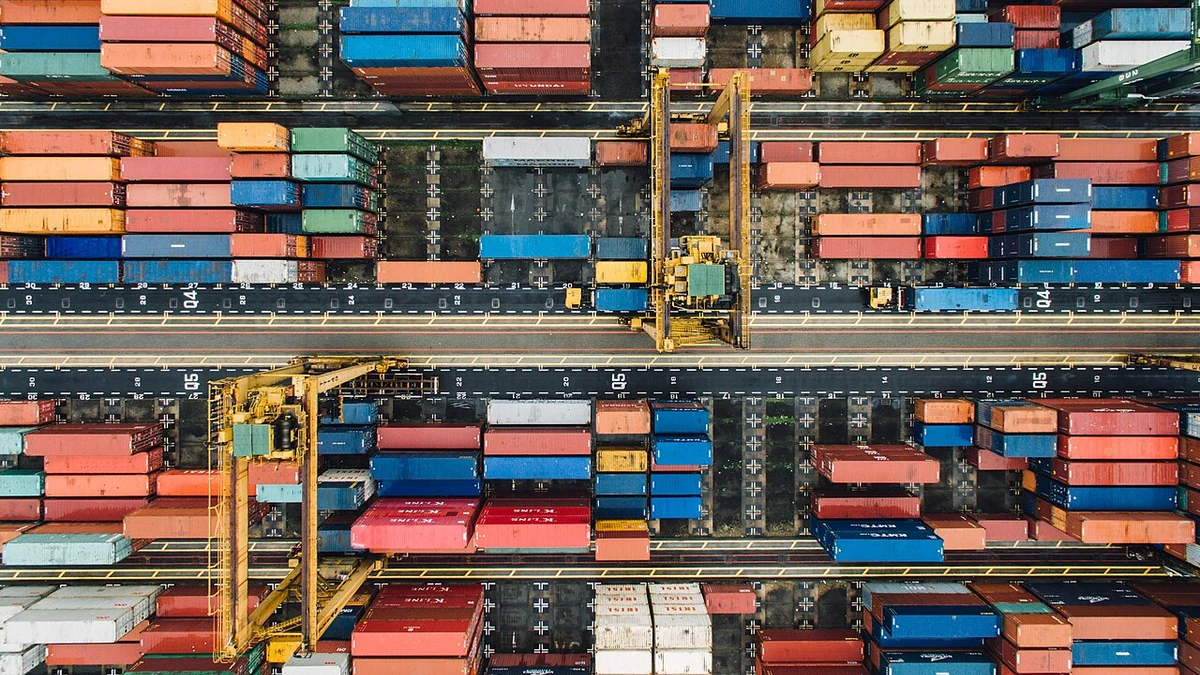
Singapore challenged a US proposal to levy tariffs of up to 20% on its exports on Thursday, arguing that an American investigation into excess manufacturing capacity failed to account for the city-state’s dependence on international trade. Deputy Prime Minister Gan Kim Yong said Singapore would continue pressing Washington to lower the proposed duties.
The announcement came a day after US Trade Representative Jamieson Greer issued findings covering 14 economies under Section 301 of the Trade Act of 1974. Singapore already has a free trade agreement with the United States, and its government contends that the country’s industrial policies reflect the needs of a small economy rather than an effort to distort overseas markets.
A lower rate remains possible. Under the proposal announced by the Office of the US Trade Representative (USTR), Washington could reduce the rate to 10% if Singapore reaches a reciprocal trade agreement or resolves the concerns through other negotiations. Neither rate represents a final decision under the new investigation.
Why Singapore disputes the US findings
At the center of the disagreement is whether Singapore’s manufacturing policies encourage production beyond the levels that would otherwise prevail in a competitive market. USTR argues that government support for industry and policies affecting household spending contribute to persistent imbalances, limiting opportunities for American producers in Singapore and elsewhere.
Singapore’s approach to industrial development is explicitly oriented toward higher-value production. Its Economic Development Board describes Manufacturing 2030 as a plan to increase manufacturing value added by 50% between 2020 and 2030. The goal concerns economic output after accounting for intermediate inputs, rather than simply the number of factories or the volume of goods they produce.
Washington also identified the country’s national research strategy as a concern. Singapore’s Research, Innovation and Enterprise 2030 program, which runs from 2026 to 2030, has a budget of S$37 billion and covers priorities extending beyond factory production. The US investigation treats the research and manufacturing plans as part of a broader pattern of state support for industrial activity.
In his remarks to reporters on Thursday, Gan defended manufacturing as a source of employment in a country with little domestic demand relative to the scale of its export industries. He also rejected the idea that the Central Provident Fund was intended to curb consumer spending, explaining that the savings system helps Singaporeans pay for medical care and housing as well as provide for retirement.
There is a difference between the objectives of a savings policy and its effects on the economy. Mandatory contributions reduce the amount of earnings immediately available for discretionary purchases, but some of those savings finance domestic expenditure through the fund’s permitted uses. The two governments disagree on how Singapore’s particular arrangements should be interpreted in a trade investigation.
The United States already runs a trade surplus with Singapore
Official USTR statistics show that American goods exports to Singapore reached $41.7 billion in 2025, against imports of $38.1 billion. The resulting $3.6 billion US surplus was nearly twice the previous year’s figure. In services, the latest full-year figures on USTR’s country profile put the American surplus at $25.1 billion in 2024.
Those numbers help explain Singapore’s objection to the findings. The bilateral free trade agreement, in force since January 2004, has provided a longstanding framework for commerce between the two countries. Singapore argues that its own surplus with the rest of the world is compatible with buying more from the United States than it sells there.
USTR does not dispute the bilateral goods balance. Its investigation instead argues that US companies could sell more both in Singapore and in third markets if the contested policies were removed. The scope of that argument makes the negotiations more complicated than a discussion about how much additional American merchandise Singapore might agree to purchase.
Which exports could face higher duties
The proposed 20% ceiling takes existing Section 301 duties into account rather than automatically adding 20 percentage points to them. The Singapore-specific notice also contains exclusions, including certain goods already covered by US national-security tariffs under Section 232 and products listed in a separate tariff-code annex. Semiconductor articles and patented pharmaceuticals are among the categories named in the proposed Section 232-related exclusions.
Gan estimated that the effective tariff rate on Singapore’s goods would rise from 7.8% to 10.3%, with roughly S$9.4 billion of exports potentially affected, according to Thursday reporting by Singapore’s Business Times. Those estimates describe the potential consequences of the proposal, not duties already in force.
Even among manufacturers operating in the same industry, the exposure can differ according to the customs classification of their products and whether an exclusion applies. A business that ships components from Singapore to an American assembly plant may face a different cost change than a competitor selling finished equipment. The product-level provisions therefore matter as much as the headline percentage.
US importers generally pay customs duties at the border, but the commercial cost can be shared with foreign suppliers through price negotiations. Where alternative sources are readily available, Singapore-based producers could face pressure to absorb part of the increase to retain orders. For specialized components with fewer substitutes, buyers may have less flexibility to change suppliers in the short term.
Gan said the government was working with businesses through the Singapore Economic Resilience Taskforce to identify ways of dealing with the potential impact. Meanwhile, USTR is accepting submissions on which products should be covered and whether the rates should be adjusted. Written comments and requests to testify are due January 5, 2027, with public hearings scheduled to begin January 25.
More News
Latest News
View all news- S&P 500 and Nasdaq Futures Advance Despite Thanksgiving Market Closure
- Altria Confirms It Is Considering an All-Cash Takeover Offer for Imperial Brands
- Bitcoin Holds Above $60,000 as DeFi Tokens Lead Thanksgiving Crypto Recovery
- Brent Crude Rises Above $96 as Middle East Supply Concerns Intensify
- Dollar Rally Pauses Near Annual Highs During Thanksgiving Trading