
BHP Earnings Jump as Copper Becomes More Than Half of Underlying EBITDA
BHP’s underlying EBITDA rose 27% to US$32.9 billion in fiscal 2026, with copper contributing 54% of the group total for the first time over a full year.
Our editorial standards
MarketReview publishes clear, independently produced financial information using reliable sources and transparent editorial standards.
Read our Editorial Policy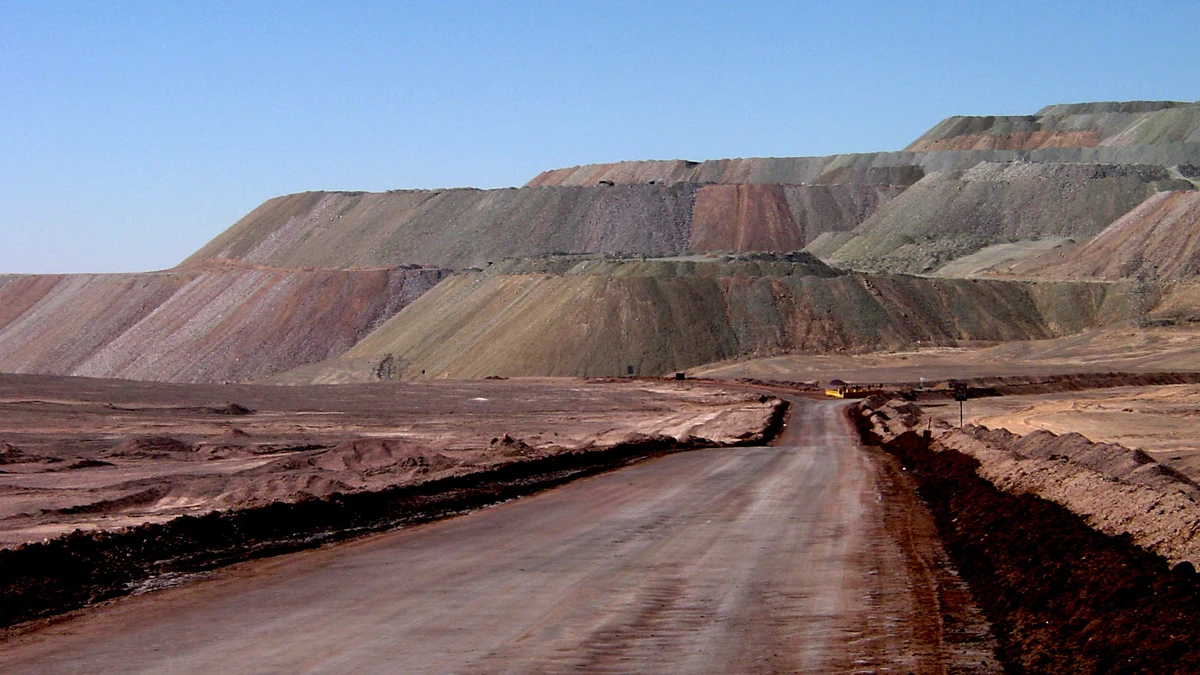
BHP reported a sharp rise in full-year earnings as stronger copper prices reshaped the mining group’s profit mix, with copper contributing more than half of underlying EBITDA for the first time over a full financial year.
Underlying EBITDA increased 27% to US$32.9 billion for the year ended June 30, 2026, while underlying attributable profit rose 30% to US$13.2 billion. Revenue increased to US$58.8 billion from US$51.3 billion a year earlier. Statutory attributable profit rose 9% to US$9.8 billion after exceptional items, including a US$2.3 billion non-cash impairment related to the Jansen potash project.
BHP declared a final dividend of 99 U.S. cents per share. Together with the interim dividend, that takes the full-year distribution to 172 cents per share, up from 110 cents in fiscal 2025, for total dividends of US$8.7 billion.
Copper becomes BHP’s largest earnings contributor
The biggest change in the results was the weight of copper in BHP’s earnings. In its full-year results announcement, BHP said copper accounted for more than half of group underlying EBITDA for the first time. The detailed results put the contribution at 54%.
Copper segment underlying EBITDA climbed to US$18.2 billion from US$12.3 billion in the previous year, an increase of roughly 48%. Copper revenue rose to US$29.0 billion from US$22.5 billion. The segment’s EBITDA margin reached 70%, well above the group underlying EBITDA margin of 59%.
The earnings increase came despite a modest decline in copper output. BHP produced 1.953 million tonnes of copper in fiscal 2026, down 3% from 2.017 million tonnes in fiscal 2025. The stronger financial result was driven mainly by pricing and the value of by-products. BHP’s average realised copper price rose to US$5.74 per pound from US$4.25 per pound a year earlier.
BHP said its copper operations also generated US$4.5 billion of revenue from by-products including gold, silver and uranium, 45% more than in fiscal 2025. Those revenues reduce the effective cost of copper production and were particularly important at Escondida in Chile and Copper South Australia.
Escondida remained the largest contributor inside the copper portfolio. Its underlying EBITDA rose to US$12.4 billion from US$8.6 billion, while Copper South Australia increased underlying EBITDA to US$3.2 billion from US$1.9 billion. BHP said record concentrator throughput at Escondida helped offset an expected decline in ore grade, while Olympic Dam achieved a 20-year copper production record.
The shift is significant because iron ore has historically been BHP’s dominant earnings engine. Iron ore still produced US$14.5 billion of underlying EBITDA in fiscal 2026, but that was only slightly above the US$14.4 billion reported a year earlier. On BHP’s segment measure, iron ore accounted for 43% of group underlying EBITDA, compared with copper’s 54%. Coal contributed the remaining 3% before group and unallocated items.
Higher cash flow supports dividends and a lower debt balance
The stronger earnings translated into a larger cash contribution. Net operating cash flow rose 17% to US$21.8 billion, while free cash flow increased 83% to US$9.8 billion. Capital and exploration expenditure totaled US$10.3 billion for the year.
Net debt fell to US$8.7 billion at June 30 from US$12.9 billion a year earlier. That put debt slightly below BHP’s stated target range of US$10 billion to US$20 billion, leaving the company with additional balance-sheet capacity as it prepares for a heavier period of investment.
The dividend reflected that stronger position. BHP determined US$8.7 billion of dividends for fiscal 2026, equivalent to a payout ratio of 66% of underlying attributable profit. The full-year dividend of 172 U.S. cents per share was 62 cents higher than the prior year.
Management is balancing those shareholder returns against a growing project pipeline. BHP spent US$10.3 billion on capital and exploration in fiscal 2026 and expects total capital expenditure to average about US$11 billion a year over the medium term. More than half of growth spending is expected to be directed toward copper projects, and the proportion rises further when investment in non-operated copper joint ventures is included.
The company also benefited from capital released from existing assets. During the year, BHP completed a silver streaming agreement linked to its Antamina interest that generated US$4.3 billion. The group has also agreed a US$2 billion deal involving its share of Western Australia Iron Ore’s inland power network, with those proceeds expected in fiscal 2027.
BHP is directing more of its growth plan toward copper
The results reinforce a strategy that was already moving BHP toward greater exposure to copper. Management said the company’s copper growth options could increase attributable copper production by around 40% by fiscal 2035, to roughly 2 million tonnes a year. BHP describes that figure as an aspiration rather than a production target, and it remains subject to project studies, approvals, capital allocation and other conditions.
At Escondida, BHP approved US$500 million of pre-commitment funding for a new concentrator ahead of a final investment decision expected in calendar 2027 or 2028. In Australia, the company is advancing several Copper South Australia projects, including the Prominent Hill expansion, the Carrapateena Block Cave and work at Olympic Dam.
The group is also pursuing copper through non-operated interests and partnerships. Its pipeline includes Vicuña on the Argentina-Chile border and Resolution in Arizona. BHP says its copper business should be able to generate enough operating cash flow to fund the capital required for the planned expansion at consensus commodity prices, a key part of its argument that copper growth can be self-funded rather than dependent on a major increase in group leverage.
Potash remains the other major growth leg. Stage 1 of the Jansen project in Saskatchewan was 84% complete at year-end and remains scheduled for first production in mid-2027. The US$2.3 billion impairment taken against Jansen lowered statutory earnings, which explains part of the gap between the 9% rise in attributable profit and the 30% increase in underlying attributable profit.
BHP enters fiscal 2027 with a different earnings balance than it had only a few years ago. Iron ore remains a large cash generator, but fiscal 2026 marked the first full year in which copper clearly became the largest contributor to underlying EBITDA. With copper now receiving the majority of BHP’s growth focus as well, the earnings mix and the capital program are increasingly pointing in the same direction.
More from Investing


Latest News
View all news- FTC, USDA Launch Joint Inquiry Into Agricultural Equipment Market Practices
- VAALCO Completes Gabon Phase 3 Drilling as ETSEM-3H Starts at About 2,000 BOPD
- U.S. Crude Inventories Fall 3.2 Million Barrels in Latest EIA Report
- UK Trade Remedies Authority Proposes Five-Year Anti-Dumping Duty on Chinese Rutile Titanium Dioxide
- OCC Launches Direct Payments-Fraud Reporting Tool for Community Banks
