
UK Backs £43 Million Cornwall Lithium Project With Nearly £10 Million Support
Geothermal Engineering Limited plans to invest around £43 million in a Cornwall lithium extraction facility, backed by a nearly £10 million UK government offer in principle that remains subject to due diligence and final approvals.
Our editorial standards
MarketReview publishes clear, independently produced financial information using reliable sources and transparent editorial standards.
Read our Editorial Policy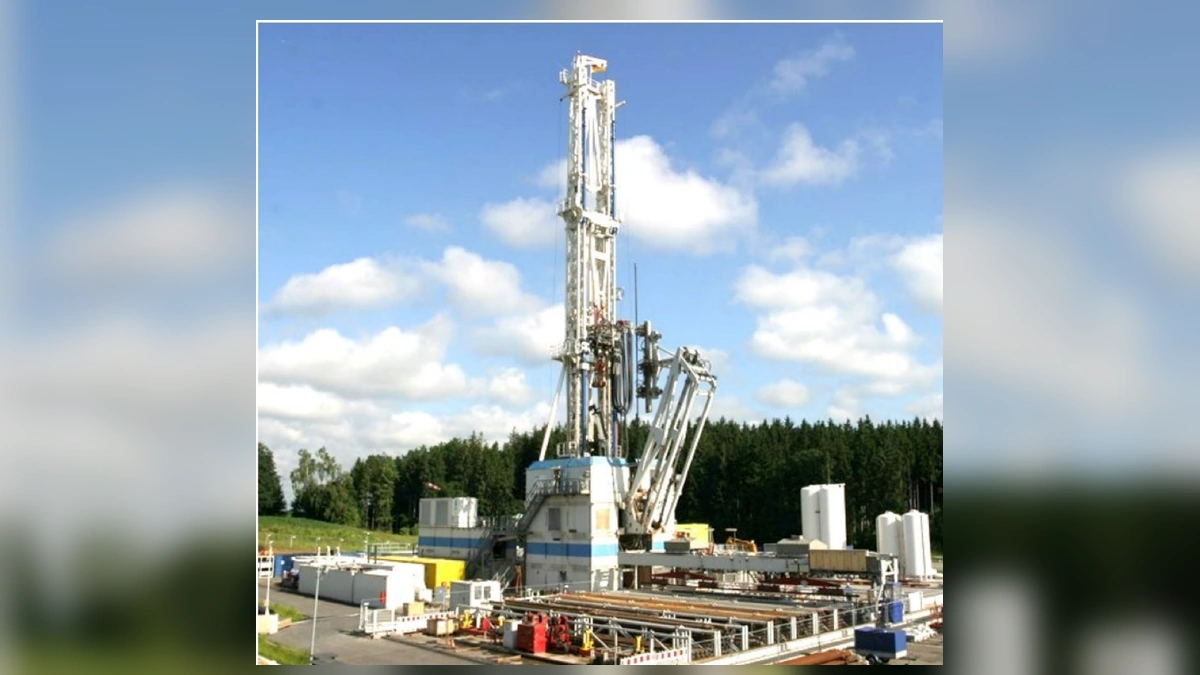
The UK government has offered nearly £10 million of support toward a roughly £43 million lithium expansion by Geothermal Engineering Limited in Cornwall, adding public backing to a project intended to increase domestic supplies of a mineral used heavily in electric-vehicle batteries. GEL’s planned facility is expected to create nearly 50 direct jobs and support around 80 more across the supply chain.
Commercial production from the supported project is scheduled to begin in 2029, with expected annual output of about 1,500 tonnes of technical-grade lithium carbonate from underground geothermal brine. The government estimates that volume would be enough for more than 180,000 typical electric-vehicle batteries.
The support is not yet a final grant award. In its September 27 announcement, the government described the funding as an Offer in Principle through the DRIVE35 Automotive Transformation Fund and said it remains subject to due diligence and final approvals. That distinction is important because the nearly £10 million figure represents proposed government support that still has conditions to clear.
Government backing is tied to a broader £43 million investment
GEL is expected to put around £43 million into the Cornwall lithium extraction facility. The public support would therefore cover only part of the planned capital, with the rest coming from private investment and other financing sources. The government said the Cornwall project is one of two lithium investments receiving offers through DRIVE35, alongside a £185 million Tees Valley Lithium refinery that has an Offer in Principle for £18.3 million.
Taken together, the government says the Cornwall and Teesside projects are set to unlock nearly £230 million of private investment. DRIVE35 is the UK’s flagship automotive support programme and is designed to provide £4 billion of capital and research-and-development grant funding through 2035 as the industry shifts toward zero-emission vehicles.
The official release uses the phrase “new lithium mine” for the Cornwall development, but GEL’s production method differs from conventional hard-rock lithium mining. The company brings hot geothermal brine to the surface, uses it for power generation and lithium recovery, then reinjects the fluid underground. The planned expansion is therefore better understood as an increase in lithium extraction and processing capacity built around GEL’s existing geothermal resource at United Downs.
United Downs is already producing lithium from geothermal brine
GEL’s United Downs Lithium Demonstration Plant began operating in February 2026 on the same site as the company’s geothermal power plant. GEL says lithium-rich geothermal brine is used first as part of the power-generation process and then processed to recover lithium carbonate before the water is returned underground through a closed-loop system.
The company has reported lithium concentrations above 350 parts per million in samples from the United Downs production well. GEL also says the demonstration plant has been used to refine its extraction process, increase brine-handling capacity and test lithium grade as it prepares for a larger commercial plant.
That work has already attracted several layers of financing. In April, GEL announced DRIVE35 funding for a scale-up feasibility study connected with United Downs. In May, it disclosed a separate £10 million financing facility from ABN AMRO to expand lithium production and prepare additional geothermal sites in Cornwall. The bank financing and the newly announced government Offer in Principle are separate funding developments and should not be treated as the same £10 million.
GEL said in May that it intended to raise direct lithium extraction output from roughly 100 tonnes of lithium carbonate per year to close to 2,000 tonnes by 2028 or 2029. The government’s September announcement puts expected output from the supported Cornwall facility at around 1,500 tonnes annually from 2029. The two official sources do not explain whether the difference reflects a revised target, a narrower project scope or a different measurement point, so the latest government figure is the appropriate one for describing the project covered by Sunday’s support announcement.
Cornwall project feeds into the UK’s battery-supply strategy
The funding sits within a wider government effort to reduce exposure to imported critical minerals and expand domestic supply for automotive, clean-energy and advanced-manufacturing uses. Lithium is particularly important to that strategy because it is a core input for most current electric-vehicle battery chemistries. The government said it expects lithium demand to increase by 1,100% by 2035, though that figure is a government projection rather than a measured outcome.
Cornwall has become one of the focal points of the UK’s effort because lithium occurs in its geothermal waters as well as in hard-rock deposits. At United Downs, GEL has paired geothermal electricity generation with lithium recovery from the same subsurface fluid. That gives the company a route to produce a battery material without relying on the large evaporation ponds used in some brine operations or the same extraction path as conventional open-pit hard-rock mines.
The jobs estimate also gives the project a regional industrial-policy dimension. Nearly 50 positions are expected to be created directly by the facility, with roughly 80 additional jobs supported in the supply chain, according to the government. Those numbers are forecasts tied to the planned investment rather than current employment totals.
The next formal step is completion of the government’s due-diligence and approval process for the DRIVE35 Offer in Principle. If those conditions are satisfied and the project proceeds on the announced schedule, GEL’s Cornwall facility is expected to move into commercial production in 2029 at around 1,500 tonnes of technical-grade lithium carbonate a year.
More News


Latest News
View all news- Guardian Pharmacy Converts Final 13.5 Million Reorganization Class B Shares Into Class A Stock
- ExxonMobil’s XTO Energy Redeems $626.5 Million of Senior Notes
- Air Liquide’s $1.25 Billion U.S. Dollar Bond Reaches Maturity
- NineFive95 Expands Distressed Multifamily Strategy Across Midwest and Sun Belt
- Qatar Financial Centre, U.S. Chamber Sign Cross-Border Investment MoU
