
Germany Confirms September Inflation at 3.3% as Energy Prices Climb
Germany confirmed September inflation at 3.3%, with energy prices up 14.9% from a year earlier as motor fuels and heating oil drove the strongest headline reading of 2026 so far.
Our editorial standards
MarketReview publishes clear, independently produced financial information using reliable sources and transparent editorial standards.
Read our Editorial Policy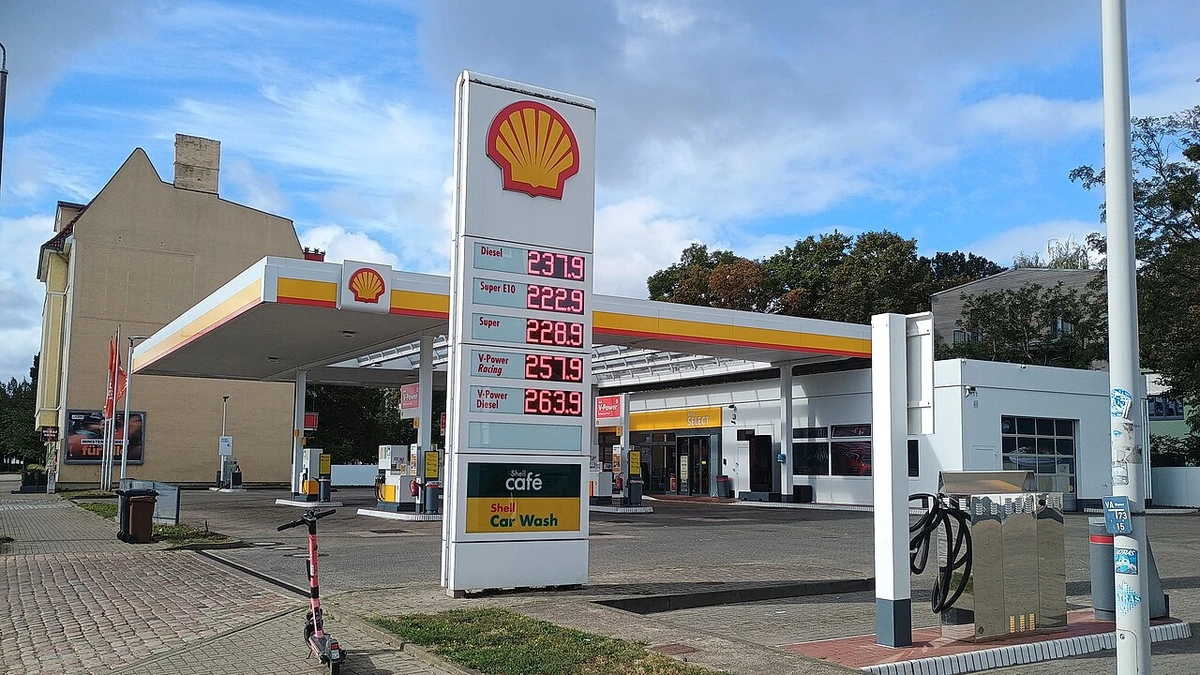
Germany’s annual inflation rate was confirmed at 3.3% in September, matching the preliminary estimate and marking the strongest reading this year as higher energy costs pushed consumer prices up more quickly again. The final figures from the Federal Statistical Office, Destatis, also showed consumer prices rose 0.6% from August, while the harmonised index used for euro-area comparisons was likewise confirmed at 3.3% year on year and 0.6% month on month.
That left inflation above the 3% mark for the first time since late 2023 and well above the 2.9% rate recorded in August. In its final September inflation release, Destatis said the latest increase was driven once again by energy. The statistics office said the overall energy component rose 14.9% from a year earlier, accelerating for a third straight month after increases of 10.5% in August and 8.3% in July.
The result matters because it shows how quickly a headline inflation rate can re-accelerate even when some underlying categories remain relatively contained. Germany’s price picture in September was not one of broad-based overheating across every major spending bucket. Instead, the sharp move in the headline number came mainly from the renewed jump in oil-linked items, especially transport fuels and heating oil, while food and core inflation stayed far more subdued.
Destatis President Ruth Brand said the inflation rate reached a new high for the year in September and that the development of energy prices was again responsible for the increase. She pointed specifically to mineral oil products sold at filling stations and to heating oil, two categories that had a visibly larger effect on households than many of the less volatile categories elsewhere in the basket.
Energy prices did most of the work
The detailed breakdown makes clear why the headline rate moved higher. Motor fuel prices were 37.1% above their level a year earlier in September, while heating oil prices surged 74.9%. Firewood, wood pellets and other solid fuels were also 15.6% more expensive than a year earlier. Those increases more than offset continuing annual declines in some other household energy categories, with electricity down 5.5%, natural gas excluding operating costs down 2.8%, and district heating down 1.0%.
That split is important. It shows that Germany’s September inflation story was not simply a uniform rise across all energy bills. Instead, the strongest pressure came from the oil side of the market. Destatis explicitly tied that pattern to the rise in crude oil prices observed since the start of the Iran war, saying those upstream price movements had fed through into both producer and consumer prices. In other words, the shock was visible most directly where households buy refined petroleum products or heating oil rather than across every energy line item.
The monthly numbers tell a similar story. Compared with August, energy prices rose 3.8% in September. Within that, heating oil jumped 18.5% over the month and motor fuels rose 6.9%, including a 7.5% increase for diesel and 6.7% for petrol. That monthly acceleration helps explain why the annual rate climbed even though some categories that had been easing earlier in the year remained cheaper than a year ago.
Destatis also noted that a renewed cut in energy tax, especially on motor fuels, was not yet reflected in the September figures because the measure only took effect on 1 October 2026. That means the official September reading still captured the pre-relief price environment. For investors, businesses and households, that detail matters because it suggests part of the pressure visible in the September data could look somewhat different in October if the tax change feeds through meaningfully to consumers.
Outside energy, the goods side of the basket still showed firmer price pressure than services. Goods prices were up 3.8% from a year earlier in September, while services rose 2.7%. Transport as a broader category rose 10.8% year on year, again reflecting the weight of fuel. By contrast, some non-energy goods categories were more mixed, with information-processing equipment among the notable gainers while coffee, tea, cocoa and household appliances recorded price declines.
Core inflation stayed lower than the headline
One reason the September report is less alarming than the headline alone might suggest is that the underlying measures were considerably lower. Core inflation, which excludes food and energy, held at 2.4% in September, unchanged from August and July. The inflation rate excluding energy stood at 2.1%, and excluding only heating oil and motor fuels it was 1.8%. Those figures suggest the renewed climb in the headline rate was concentrated rather than broad-based.
Food prices were especially restrained in aggregate. Destatis said food prices rose just 0.4% from a year earlier, following a 0.1% increase in August. Within that group there were still sharp moves in individual items: eggs were 15.2% more expensive, fresh vegetables rose 12.0%, and fish, fish products and seafood were up 4.5%. But these were offset by substantial declines elsewhere, including edible fats and oils, butter, fresh fruit and dairy products. That left overall food inflation well below the headline rate.
Services inflation also eased relative to the overall index. Service prices rose 2.7% year on year, below the 3.3% headline pace and slightly softer than in prior months. Some categories still increased notably, including social protection services, vehicle maintenance and repair, hairdresser services and package holidays. Housing-related service costs also continued to rise, with net rents exclusive of heating expenses up 1.9%, which remained an important underlying contributor to consumer prices even though it was not the main reason for September’s acceleration.
The contrast between the 14.9% increase in energy prices and the 2.4% core reading is what gives the report much of its economic significance. It suggests Germany’s inflation pulse in September was being driven far more by an external cost shock than by a generalized domestic surge in prices. That does not make the rise painless for consumers, because fuel and heating bills are highly visible and can squeeze household budgets quickly. But it does help explain why the structure of inflation matters at least as much as the headline number itself.
Why the confirmation matters
Final confirmation of the September number matters for two reasons. First, it locks in the fact that Germany entered the autumn with its highest inflation reading since December 2023. That has implications for consumer purchasing power, wage bargaining and public debate over living costs, especially as colder months approach and households remain sensitive to transport and heating expenses.
Second, the matching 3.3% reading in the harmonised index of consumer prices means the German data feeds directly into the broader euro-area inflation picture watched by policymakers. Destatis noted that the harmonised index is the central gauge for price stability within European monetary policy. Even though one month of energy-driven inflation does not by itself define the policy path, Germany’s size means a renewed pickup there inevitably matters for the region-wide discussion.
The September report therefore leaves a somewhat mixed message. On one hand, the headline rate clearly worsened and did so by more than enough to restore pressure on policymakers and keep inflation firmly in focus. On the other hand, the categories beneath the surface still show a narrower story than the headline implies, with food inflation subdued, services inflation below the overall rate, and core inflation unchanged. That combination points to an economy still vulnerable to imported energy shocks even as broader domestic inflation pressures appear relatively more contained.
For households, the lived experience may still feel harsher than the core numbers imply because the categories rising fastest are among the most visible. Filling a car, buying heating oil or paying for other fuel-related needs is an immediate and repeated expense. As a result, September’s confirmed inflation number is likely to resonate not simply as a statistical release but as a reminder that energy remains one of the quickest ways for geopolitical disruption to show up in day-to-day German consumer budgets.
More News



Latest News
View all news- Five Tradr Leveraged ETFs Reach October 20 Trading Suspension Date on Cboe
- SEC and French Regulator Sign Oversight Agreement for Cross-Border Investment Advisers
- NCUA Proposes Easing Three Credit Union Rules, Including Investment Reserve Requirements
- Instacart Agrees to $5 Million Settlement Over U.S. Hiring Discrimination Allegations
- GM Authorizes $20 Billion Share Buyback After Reporting $3.3 Billion Quarterly Profit
