
Italy’s New Fuel-Cost Relief Measures Take Effect for Transport, Farming and Fishing
Italy’s latest fuel-cost decree is now in force, extending diesel relief for freight operators and opening new support for agriculture, fishing and aquaculture.
Our editorial standards
MarketReview publishes clear, independently produced financial information using reliable sources and transparent editorial standards.
Read our Editorial Policy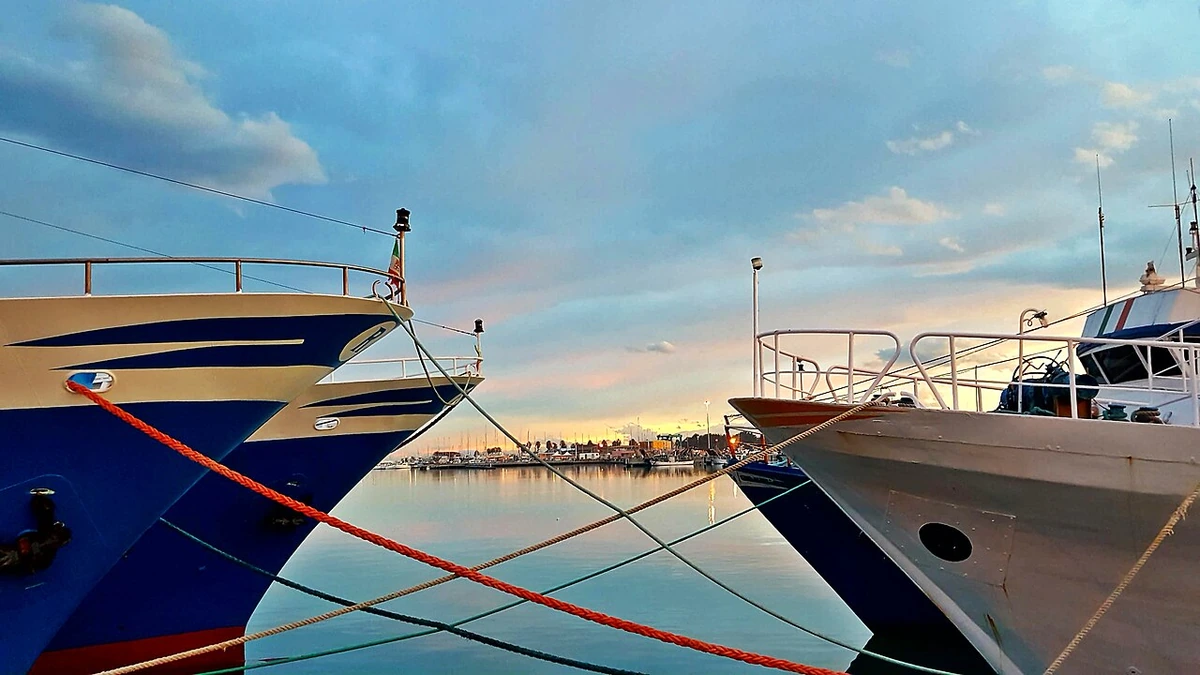
Italy’s latest fuel-cost relief package took effect on Oct. 24, one day after publication in the Official Gazette, giving legal force to a new round of support for freight transport, agriculture, fishing and aquaculture. The decree extends diesel-related aid for trucking operators and creates fresh assistance for farmers and fishing businesses that have been squeezed by higher fuel bills through much of 2026.
The measure is framed as an emergency response rather than a long-term redesign of energy policy. For freight operators, Rome is continuing a relief model it has used several times this year, centered on a tax credit for diesel purchases. For agriculture and fishing, the new package adds direct support tied to fuel spending during the summer and early autumn, when elevated costs threatened margins in businesses that often have limited ability to pass those increases on to customers.
The practical effect is immediate in legal terms, but not every benefit will land in company bank accounts right away. Some provisions work by changing spending authorizations and eligibility windows inside earlier programs, while others still require administrative instructions that tell applicants what documents to submit and when. That distinction matters for businesses evaluating cash flow: the decree is in force, but parts of the relief still need follow-through from ministries and agencies before money or offsets can be fully accessed.
Trucking relief widens the diesel support window
Under Decree-Law No. 193, Italy revised the existing fuel-credit framework for road hauliers in two important ways. First, it amended the earlier March-to-September reference period so that one tranche of support now covers expenses from March through August 2026. For that period, the decree says the spending authorization for the diesel tax-credit program is increased by €66.4 million.
Second, the decree creates a separate ceiling of up to €60 million for eligible fuel spending incurred from Sept. 1 through Oct. 5, 2026. The credit for that later period is available only through offsetting against tax and contribution liabilities, rather than as a direct payment, and the law allows use of that credit through Dec. 31, 2027. In other words, the government is preserving the existing support tool for truckers but splitting the 2026 period into two blocks, with fresh money attached to each.
The transport ministry said the package is aimed especially at smaller freight operators and owner-drivers, which tend to have thinner margins and less balance-sheet flexibility when diesel prices rise. Its Oct. 22 statement also described a related liquidity measure allowing vehicle-leasing installments coming due between November 2026 and March 2027 to be suspended until March 31, 2027. That measure may prove as important as the fuel credit itself for operators juggling high operating costs with debt-service commitments on their fleets.
For the market, the key point is not that Italy has introduced an entirely new relief architecture for trucking. It has instead added resources and extended coverage inside an already familiar system. That should help speed implementation, because carriers and administrators are working with a mechanism that already exists, even if the exact claim windows and compliance steps differ between the earlier and later spending periods.
Agriculture and fishing receive new grant support
The package is more clearly additive for primary industries. In a statement after the Cabinet approved the decree, the Agriculture Ministry said €70 million in total support would be made available for agriculture and fishing businesses dealing with elevated fuel costs. Of that, €60 million is allocated to agriculture and €10 million to fishing and aquaculture.
For agriculture, the support takes the form of a non-repayable contribution equal to 20% of eligible fuel spending incurred between June 1 and Oct. 15, 2026, subject to a maximum of €0.45 per liter. The ministry said the €60 million allocation should support about 121 million liters of agricultural fuel. It also noted that this new measure comes on top of earlier support that, according to the ministry, had already benefited more than 138,000 agricultural entrepreneurs under a previously funded €100 million program.
Fishing and aquaculture operators are set to receive €10 million, with support equal to 10% of eligible fuel spending over the same June 1 to Oct. 15 period. The ministry said that new money is in addition to a prior €10 million package that had already benefited more than 1,635 businesses in the sector. For many fishing operators, fuel is not a marginal input but one of the most volatile and operationally decisive costs, so even a relatively small headline allocation can be meaningful if it is distributed quickly.
The decree therefore uses different instruments for different sectors. Trucking gets relief mainly through a diesel tax credit connected to commercial road-freight activity. Agriculture and fishing receive direct support pegged to fuel expenditure, reflecting the way those sectors often interact with the state through aid and reimbursement channels rather than through the tax-credit architecture used for road haulage. That distinction is important for readers assessing how quickly the measures may show up as working capital support.
Implementation will determine how much relief arrives quickly
The Agriculture Ministry said AGEA, the agency that handles agricultural disbursements, will manage the compliance steps for the farm program. It also said the rules on how to present documentation are due within five days of the decree’s entry into force, with payments expected within the following 30 days. That is a relatively compressed timeline by Italian administrative standards, and if it is met, agriculture could be the sector where the practical effect of the decree becomes visible first.
For fishing and aquaculture, the same broad issue applies. The money has been approved, but operators will watch for the exact administrative route, eligibility filters and proof-of-purchase requirements. The more those procedures mirror earlier aid rounds, the easier it should be for firms to file quickly. If the paperwork becomes more demanding, the headline value of the package may matter less than the actual speed of disbursement.
For freight transport, the decree resolves one immediate uncertainty by confirming that support continues into the autumn period, rather than ending with the earlier program window. But hauliers will still need the operational details that allow them to calculate claims accurately and decide how the offset-based credit fits into year-end tax planning. Companies that already expected support for the spring and summer months now have legal confirmation of a revised March-through-August period and a fresh September-through-Oct. 5 block with its own funding cap.
More broadly, the decree shows how Italy is still leaning on targeted sector relief to cushion fuel-price pressure in parts of the economy where diesel and marine fuel remain core production inputs. That may not solve the structural problem of energy-cost volatility, but it can reduce the risk that transport bottlenecks, reduced planting activity or lower fishing intensity feed through into wider supply disruptions. The next concrete milestone is administrative: publication of implementing guidance for claims and documentation, especially for agriculture and fishing, will determine how quickly the legal promise of relief turns into usable support.
More News



Latest News
View all news- Thailand Reports $690 Million in Advanced Materials Investment Projects as AI and EV Demand Grows
- Egypt Details Startup Action Plan Targeting $5 Billion in Venture Capital and 5,000 Firms
- Amgen Cancer Drug Combination Cuts Death Risk 58% in Phase 3 Trial
- U.S. Consumer Sentiment Holds Near Record Lows as Inflation Expectations Rise
- U.S. Business Growth Moderates in October as Selling-Price Inflation Accelerates
