Japan’s 40-Year JGB Auction Clears at 4.125% as Bids Reach ¥928 Billion
Japan accepted ¥299.7 billion of 40-year government bonds at ¥93.69 per ¥100 face value, reopening a 3.8% coupon issue that matures in March 2066.
Our editorial standards
MarketReview publishes clear, independently produced financial information using reliable sources and transparent editorial standards.
Read our Editorial Policy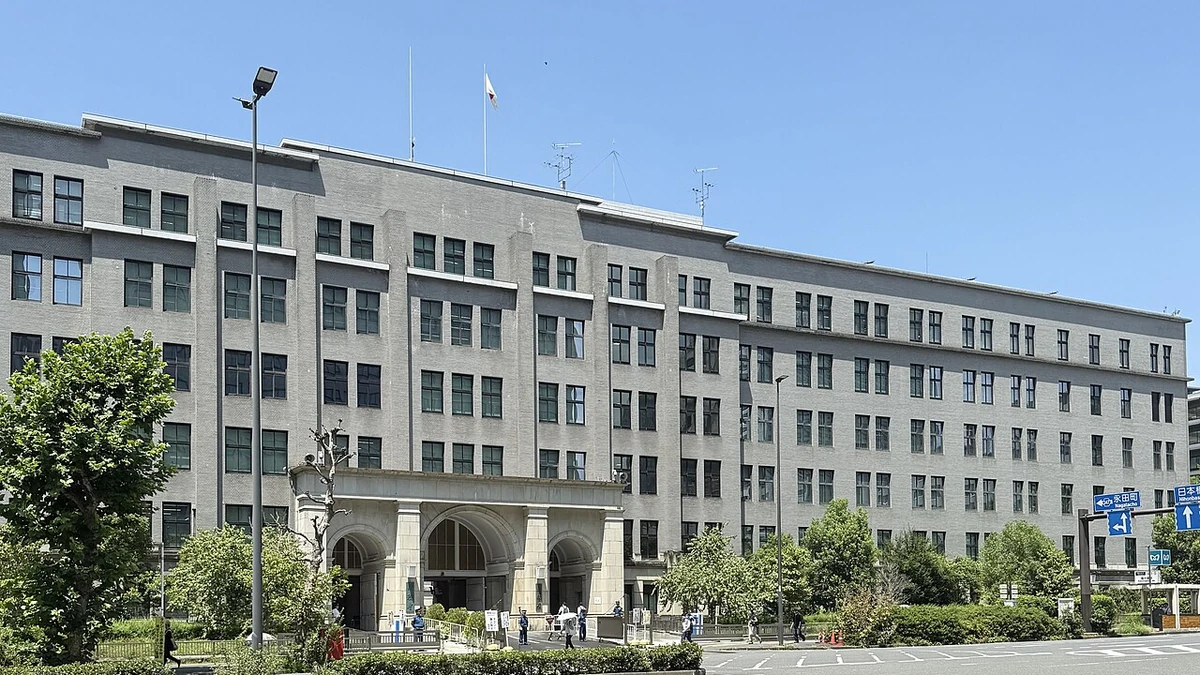
Japan’s latest 40-year government bond auction cleared at a highest accepted yield of 4.125% on Tuesday, with ¥928.0 billion of competitive bids submitted for ¥299.7 billion of bonds accepted. On the competitive portion of the sale, that works out to roughly 3.10 times the accepted amount, up from about 2.82 times at the previous 40-year auction in July.
The larger volume of bids did not translate into a lower yield. The cutoff yield rose 26 basis points from 3.865% in July, while the price fell to ¥93.69 per ¥100 of face value from ¥98.68. Investors submitted more bids for the ultra-long bond, but the cutoff was at a materially higher yield than two months earlier.
The Ministry of Finance’s auction result shows that the security is 40-year JGB issue No. 19, carrying a 3.8% annual coupon and maturing on March 20, 2066. The issue date is September 30. The ministry allotted 42.4153% of bids submitted at the highest accepted yield.
More bids, but at a higher clearing yield
September’s auction was a reopening of the 40-year bond first sold in May. The Ministry of Finance had offered about ¥300 billion and used its Dutch-style yield-competitive method, in which the issue price is set from the highest accepted yield. Bids are submitted in 0.5-basis-point yield increments. The result table does not report a weighted-average price or an average yield for the sale.
Comparisons with the two earlier auctions of the same issue show how much the pricing has shifted. In May, investors submitted ¥809.4 billion of competitive bids and the ministry accepted ¥299.6 billion at a highest yield of 3.840%, equivalent to a price of ¥99.18 per ¥100 face value. In July, competitive bids rose to ¥846.7 billion, with ¥299.8 billion accepted at 3.865% and a price of ¥98.68.
By September, the competitive bid total had increased another ¥81.3 billion from July and ¥118.6 billion from May. The highest accepted yield, however, was 28.5 basis points above the May auction. The approximate competitive bid-to-accepted ratio rose from 2.70 in May to 2.82 in July and 3.10 in September. Those ratios are derived from the ministry’s published bid and acceptance amounts rather than reported as a separate official statistic.
The amount on offer is also smaller than in the first two 40-year auctions of 2026. January and March sales of the previous 40-year issue were about ¥400 billion each, while the fiscal 2026 issuance plan schedules issue No. 19 for six auctions from May 2026 through March 2027. The May, July and September sales have each been around ¥300 billion. That supply change is one reason raw bid totals should not be read in isolation from the amount accepted and the yield required by bidders.
The auction followed the Bank of Japan’s latest rate increase
The sale came less than a week after a change in Japanese monetary policy. On September 18, the Bank of Japan voted 7-2 to raise its guideline for the uncollateralized overnight call rate to around 1.25%, with the new setting taking effect on September 24. The central bank also set the rate on its complementary deposit facility at 1.25% and its basic loan rate at 1.5%.
In its September policy decision, the Bank of Japan said underlying consumer-price inflation had been approaching its 2% price-stability target and medium- to long-term inflation expectations had continued to rise. It said it would continue to raise the policy interest rate and adjust the degree of monetary accommodation in response to economic activity, prices and financial conditions, while considering the timing and pace of future changes.
A 40-year bond yield is not set directly by the overnight policy rate. Ultra-long yields incorporate expectations about inflation, future short-term rates, economic conditions and the extra compensation investors require for holding duration risk over several decades. The latest auction therefore should not be treated as proof that the September policy move alone caused the 4.125% clearing yield. What the official data do establish is that the government sold the same 3.8% coupon issue at a much lower price and higher cutoff yield than in May or July.
BOJ is also reducing its JGB purchase pace
The central bank is also reducing its planned purchases of Japanese government bonds. Under the JGB purchase plan reaffirmed in June, the Bank of Japan is cutting its planned monthly purchases by about ¥200 billion each calendar quarter through January-March 2027. From April 2027, it plans to buy about ¥2 trillion of JGBs per month, while retaining flexibility to increase purchases if long-term rates rise rapidly or market conditions require a response.
The BOJ has said that, in principle, long-term interest rates should be formed in financial markets and that its JGB purchases should be conducted predictably while allowing enough flexibility to support market stability. That framework reduces the central bank’s planned purchase pace while leaving it able to respond to disorderly moves. Primary auctions, meanwhile, continue to show the price and yield at which investors are willing to absorb newly issued government debt at each maturity.
For the 40-year sector, the next scheduled auction is November 25, according to the Ministry of Finance’s published calendar, with the issue amount due to be announced about a week beforehand. Before then, the Bank of Japan is scheduled to hold its next monetary policy meeting on October 29 and 30. Those two events will provide the next official checkpoints for how policy settings and ultra-long government bond pricing are evolving.
More from Investing
Latest News
View all news- U.S. Job Openings Hold at 7.1 Million in August as Hiring Remains Muted
- U.S. Consumer Confidence Drops to 81.9, Lowest Since 2014
- RBA Raises Cash Rate to 4.60% as Inflation Risks Build
- FINMA Closes Julius Baer Case and Orders CHF250 Million Capital Buffer
- GM and LG Energy to Retool Tennessee Battery Plant for Lower-Cost LMR Cells