Japan Reports No FX Intervention as 2-Year JGB Auction Draws Strong Demand
Japan's latest Ministry of Finance disclosures showed no foreign-exchange intervention in the month through Sept. 28, while a same-day 2-year government bond auction cleared at higher yields on solid demand.
Our editorial standards
MarketReview publishes clear, independently produced financial information using reliable sources and transparent editorial standards.
Read our Editorial Policy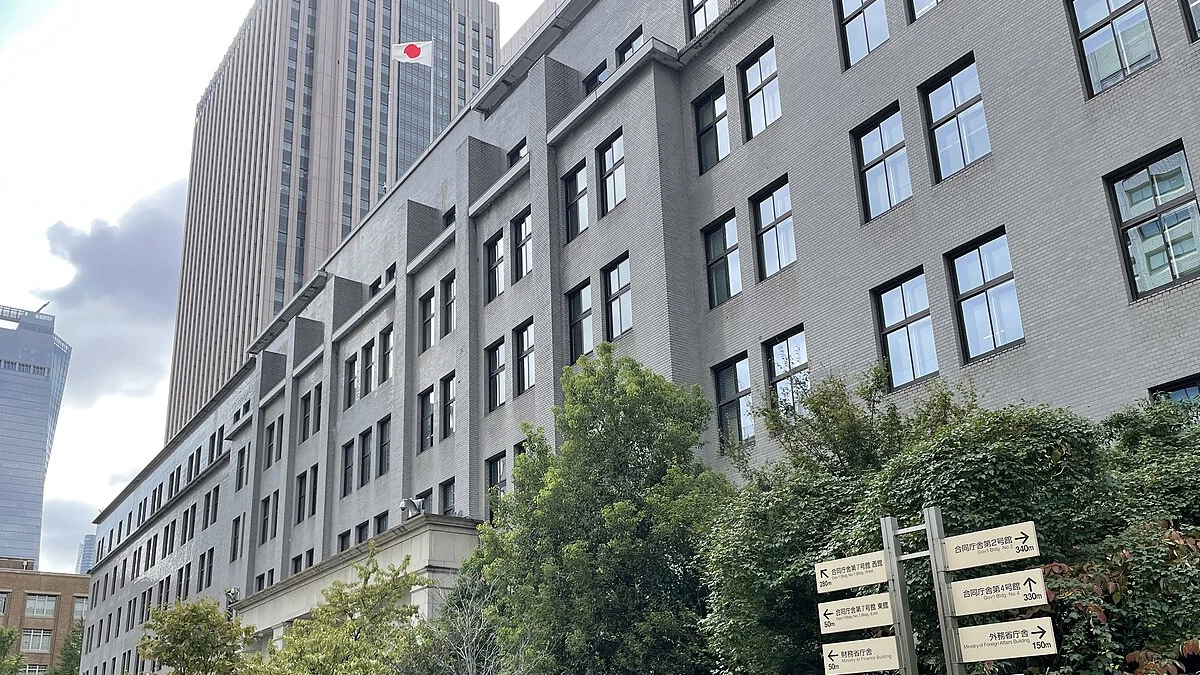
Japan’s Ministry of Finance said Wednesday that it conducted no foreign-exchange intervention between Aug. 27 and Sept. 28, while the government’s latest 2-year bond auction attracted heavier bidding and cleared at higher yields than the previous sale.
The two updates, released a few hours apart, offered a compact read on Japan’s market backdrop at the end of September. In the currency market, officials reported that they did not buy or sell yen during the latest monthly reporting window. In the bond market, investors absorbed a new 2-year issue with a 2.0% coupon at an average yield of 1.964%, up from 1.708% at the previous 2-year auction on Aug. 28. The same set of releases appeared in the ministry’s latest Sept. 30 update.
Taken together, the disclosures suggested that the authorities were willing to leave the yen market alone during the latest period even as short-dated government debt continued to reprice at higher levels. That pairing does not, by itself, tell readers where the yen or domestic interest rates are headed next. It does, however, show what the ministry actually did and what investors were prepared to accept in one of Tokyo’s routine funding operations.
Latest FX disclosure shows intervention paused after August action
In its monthly foreign-exchange intervention statement, the ministry reported a total intervention amount of ¥0 for the period from Aug. 27 through Sept. 28. That marks a clear change from the previous monthly release, published on Aug. 28, when the ministry reported ¥15,399.3 billion of intervention activity for the period from July 30 through Aug. 26.
Japan’s monthly intervention notices are intentionally sparse. They disclose the total amount of foreign-exchange intervention over the reporting window, but not the daily breakdown. Daily figures, when they exist, are later disclosed in quarterly data. Even so, the monthly release matters because it settles a basic question for currency markets: whether Japanese authorities entered the market at all. For the latest window, the answer was no.
That matters because intervention is one of the most closely watched tools in Japan’s currency policy framework. The Ministry of Finance is the formal decision-maker on intervention, while the Bank of Japan acts as its agent in the market. A zero reading therefore means the government did not direct market operations during the reported span, regardless of how traders may have speculated about yen moves during that period.
The shift from ¥15.4 trillion in the prior monthly window to zero in the latest one is also important on its own terms. It shows that late-summer official activity, which was large enough to appear clearly in the August monthly total, did not carry into the next disclosure period. For market participants, that removes at least one immediate uncertainty from the September record: there was no hidden follow-up intervention within the span covered by Wednesday’s report.
2-year auction clears at higher yields as bidding rises
The ministry’s auction result for 2-year Japanese government bonds, issue No. 489, showed a somewhat different market message. The security was sold on Sept. 30, will be issued on Oct. 1 and matures on Oct. 1, 2028. It carries a 2.0% nominal coupon.
Competitive bids totaled ¥8,344.8 billion, while ¥2,145.3 billion was accepted. The lowest accepted price was 100.055 per ¥100 of face value, corresponding to a cutoff yield of 1.971%. The weighted-average accepted price was 100.069, producing an average yield of 1.964%. Non-competitive bids tendered and accepted came to ¥0.079 billion, and an additional ¥654.0 billion was accepted in the non-price competitive auction for JGB market special participants.
Compared with the Aug. 28 auction of issue No. 488, the September sale cleared at noticeably higher yields and with a higher coupon. The earlier 2-year auction carried a 1.7% coupon, drew ¥6,363.7 billion of competitive bids and cleared at an average yield of 1.708%. Accepted volume was almost unchanged at ¥2,145.4 billion, which means the larger competitive bid total in the latest auction translated into a stronger bid-to-cover profile rather than a bigger sale size.
Those figures point to a market that was willing to fund the government at a higher yield without any obvious sign of auction stress. The accepted volume stayed essentially flat, but investor demand increased in yen terms. The rise in the coupon from 1.7% to 2.0% also underlines how much the short end of the JGB curve has adjusted compared with the previous month’s sale.
What the two releases say about Japan’s market backdrop
The foreign-exchange disclosure and the bond auction address different parts of the financial system, so they should not be forced into a single narrative. Still, publishing them on the same day offered a useful snapshot. The currency release showed official restraint, at least in the narrow sense that no intervention was conducted during the reporting window. The bond sale, by contrast, showed that investors demanded and received a higher yield to buy new 2-year paper, even as overall demand remained healthy.
For readers following Japanese markets, the clearest takeaway is procedural rather than dramatic. The intervention report answers an on-or-off question with unusual precision: zero means no operations took place over the covered span. The auction report answers a pricing question with the same kind of clarity: investors bought the new 2-year debt at a weighted-average yield of 1.964%, with the lowest accepted price corresponding to 1.971%.
There is also a timing point worth noting. The ministry’s weekly schedule had flagged Sept. 30 as the release date for both the 2-year auction result and the monthly intervention report. That makes Wednesday’s disclosures less of a surprise event than a scheduled check-in on two areas that traders routinely monitor. Even routine releases can move expectations, though, because they replace market guesswork with official numbers.
In practical terms, the latest intervention statement narrows the period in which any future quarterly breakdown would need to show activity: none occurred from Aug. 27 through Sept. 28. The latest auction result, meanwhile, sets the new reference point for the short-dated segment of Japan’s government borrowing calendar. The next monthly intervention release and the next round of JGB issuance data will determine whether Wednesday’s mix of no currency action and higher short-end yields proves temporary or becomes a more durable pattern.
More News


Latest News
View all news- KKR’s Integer Acquisition Clears U.S. Antitrust Waiting Period Early
- Skyworks Secures All Regulatory Clearances for Qorvo Merger, Targets Oct. 5 Close
- Sagimet Prices $115 Million Offering to Fund Denifanstat and Drug Pipeline
- Riksbank Publishes September Minutes as 1.75% Rate Hold Takes Effect
- Pitney Bowes Reprices $585 Million Term Loan, Cutting Annual Interest Expense by About $4 Million