New Zealand Annual Inflation Slows to 3.7% in September Quarter, Remaining Above Target
Quarterly prices rose 0.7%, with petrol still the biggest contributor to annual inflation even after its retreat from June levels.
Our editorial standards
MarketReview publishes clear, independently produced financial information using reliable sources and transparent editorial standards.
Read our Editorial Policy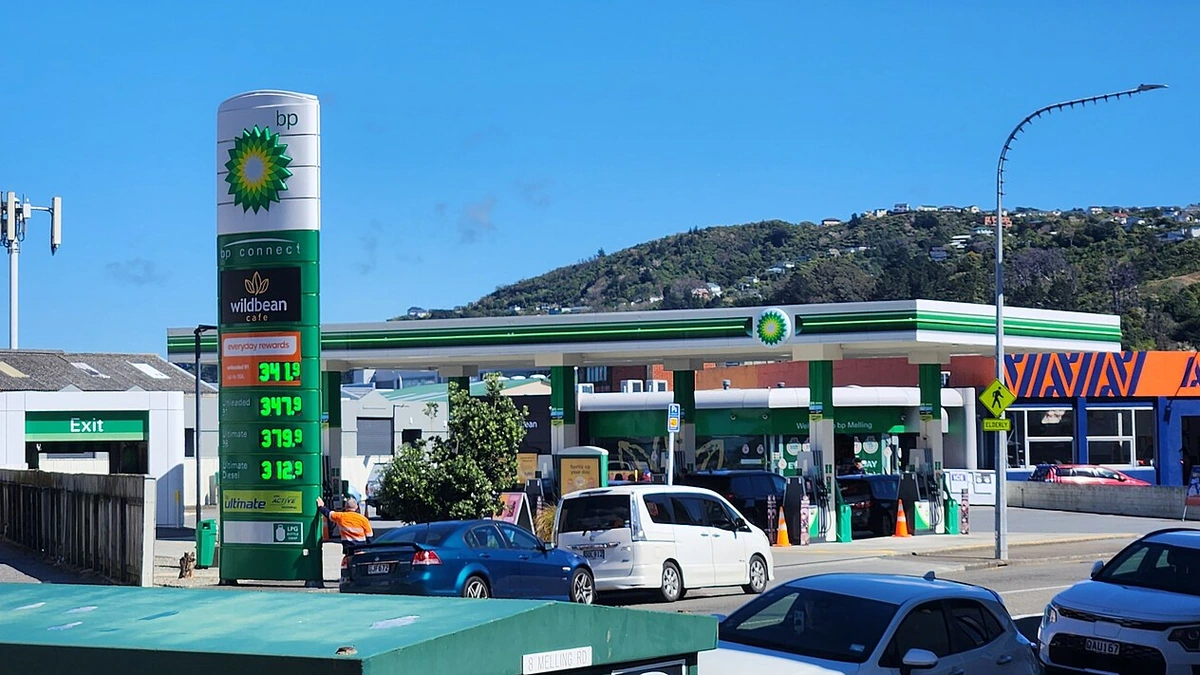
New Zealand’s annual inflation rate slowed to 3.7% in the September 2026 quarter from 4.1% in June, offering some relief after a sharp rise in fuel costs earlier in the year. The reading nevertheless remained above the Reserve Bank of New Zealand’s 1% to 3% target range, leaving policymakers to weigh easing headline pressure against price increases that are still widespread.
The consumers price index rose 0.7% from the June quarter, compared with a 1.5% quarterly increase three months earlier, according to figures released by Stats NZ on Thursday. The slowdown largely reflected a reversal in petrol prices after June’s surge. It did not mean that household costs were falling overall: the CPI continued to rise, only at a slower pace.
Fuel remained the biggest contributor to inflation over the full year, despite becoming the largest downward contributor during the latest quarter. Prices for building new housing, electricity and international air travel also rose over the year, showing that the pressure facing consumers extended well beyond filling a vehicle.
Petrol prices eased during the quarter but remained high over the year
Petrol prices fell 6.5% between the June and September quarters, reversing part of the 20.1% jump recorded in the June quarter. The earlier increase had followed disruptions to global fuel markets. Even after the pullback, petrol was 19.1% more expensive than a year earlier, according to the September-quarter CPI release from Stats NZ.
That gap between the quarterly and annual figures is central to understanding Thursday’s report. A fall from a recent peak reduces the pressure on the latest three-month change, but it does not erase the increase households experienced over the preceding year. Stats NZ calculated that petrol accounted for 17.5% of the annual rise in the overall CPI, the largest contribution from an individual item.
If petrol prices had been unchanged over the year, annual CPI inflation would have been 3.2%, the agency said. That counterfactual is not a separate measure of underlying inflation, but it illustrates the size of fuel’s effect. Even without the petrol increase, the rate would still have exceeded the top of the central bank’s target band.
The fuel picture also changed within the quarter. Stats NZ’s monthly price data showed petrol costs increasing again in August and September after an earlier decline. September petrol prices were 6.4% higher than in August, though the quarterly CPI measure still registered a decline in the average price from June. Those different comparisons are not contradictory; they capture the movement of fuel prices over different periods.
For households and businesses that depend heavily on road transport, the drop from the June-quarter peak may provide some near-term breathing room. The annual figures show why the relief remains incomplete, particularly when higher fuel-related costs have already fed into other parts of the economy.
Housing, utilities and airfares kept inflation broad
The cost of constructing new housing rose 3.2% over the year, contributing to overall inflation as building materials, subcontractors, labour and fuel became more expensive. This measure concerns the cost of new residential construction, not changes in the resale prices of existing homes. Electricity prices were 9.3% higher than a year earlier, another substantial source of pressure on household budgets.
International airfares increased 12.5% over the year, while local authority rates and payments rose 6.2%. The rates measure is collected once a year in the September quarter, giving those increases particular visibility in this release. The annual rise in rates was smaller than the 8.8% recorded a year earlier, but the latest increase still added to the cost of living.
Travel was especially important in the latest three-month movement. International airfares jumped 14.3% in the September quarter, making them the largest upward contributor to quarterly CPI inflation. Higher local authority rates and a 10.5% rise in vegetable prices also added to the increase, while lower petrol prices and declines in other vehicle fuels partly offset those gains.
The breadth of price rises is another reason the 3.7% headline does not settle the inflation outlook. Stats NZ reported that 85.5% of the CPI basket had increased in price over the year. The share recording annual increases greater than 3% reached 54.9%, up from 38.5% in the June quarter. In other words, a slower overall rate arrived alongside a larger proportion of the basket rising faster than 3%.
Imported and domestically influenced prices did not move in exactly the same way. Annual tradables inflation, which covers goods and services affected by international markets, eased to 4.3% from 4.9% in June. Non-tradables inflation edged down to 3.3% from 3.4%, leaving domestic price pressure comparatively persistent. Both readings remained elevated, although the Reserve Bank’s formal target applies to overall CPI inflation rather than these individual categories.
A narrower CPI measure that excludes food, household energy and vehicle fuels increased 2.9% over the year, compared with 2.5% in June. This does not cancel out the fall in headline inflation, but it reinforces the need to distinguish the direct effect of volatile fuel prices from changes occurring elsewhere in the basket.
The Reserve Bank faces an October 28 policy decision
For the Reserve Bank, the softer annual reading was welcome but insufficient to establish that inflation had returned to target. Its September Monetary Policy Statement had projected annual inflation of 3.9% for the September quarter. The actual 3.7% figure came in below that forecast, yet remained well above the 2% midpoint the bank is seeking over the medium term.
The bank raised its Official Cash Rate by 25 basis points in September to 2.75%, arguing that gradually withdrawing monetary stimulus would reduce the risk of more persistent price increases. Its stated outlook was for inflation to return to the 1% to 3% band by mid-2027 and move toward 2% later that year. Those projections are conditional on economic conditions and the path of fuel prices, not guarantees of the eventual outcome.
The decision is complicated by an uneven economic recovery. Stats NZ previously reported that GDP grew just 0.2% in the June quarter, following a 0.9% increase in March. In its September assessment, the Reserve Bank said weak income growth, job insecurity and subdued house prices were weighing on spending in parts of the domestic economy, while export-facing businesses were faring better. Higher interest rates can help contain inflation, but they also add to borrowing costs while growth remains fragile.
At the same time, the central bank warned that fuel-price shocks could affect other goods and services with a lag as firms pass higher operating costs to customers. The rise in the share of CPI items increasing more than 3% gives policymakers a reason to examine the details behind the headline slowdown rather than treating one lower annual number as decisive.
The Reserve Bank is scheduled to announce its next monetary policy review on Wednesday, October 28, at 2 p.m. New Zealand time. The fresh CPI data will be part of that assessment, alongside indications of underlying price pressure, household demand and the strength of the recovery.
More News



Latest News
View all news- Hapag-Lloyd Sets $1,000 Container Rate Increase on Three Americas Services From November 15
- CVS Health Study Finds GLP-1 Medical Savings Do Not Fully Offset Drug Costs at Current Prices
- Bitcoin Falls Near $62,000 as Crypto Selloff Deepens Following U.S. ETF Outflows
- Singapore Central Bank Details SME Financing and Digital-Money Agenda for FinTech Festival
- Novo Nordisk Releases New CagriSema Analysis Showing 25.4% Weight Loss Among Early Responders