
New Zealand Central Bank Holds Rates at 2.75% in Narrow 4–3 Vote
Three policymakers backed a rise to 3.00%, while the majority chose to assess earlier increases as inflation remained above the bank’s target.
Our editorial standards
MarketReview publishes clear, independently produced financial information using reliable sources and transparent editorial standards.
Read our Editorial Policy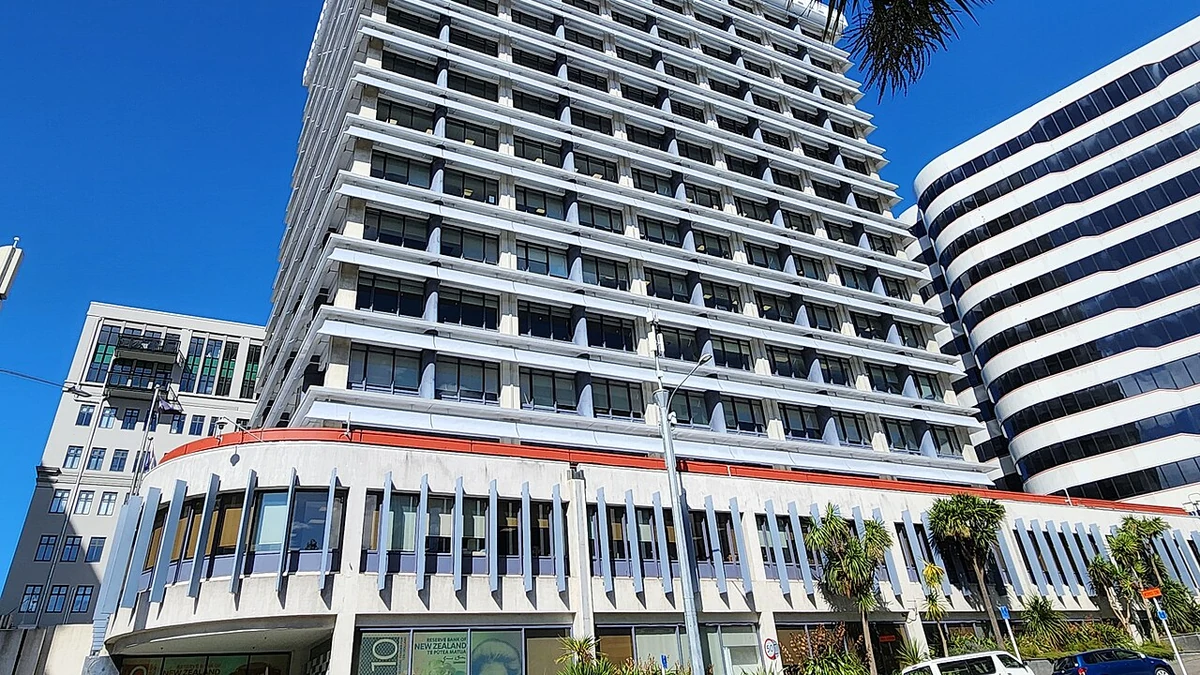
New Zealand’s central bank kept its Official Cash Rate at 2.75% on Wednesday, October 28, in a 4–3 decision that revealed how closely policymakers are divided over the timing of another interest-rate increase. Three members wanted an immediate quarter-point rise to 3.00%, but a narrow majority voted to wait for more evidence about inflation and economic activity.
The decision pauses a tightening cycle that began with a rise from 2.25% to 2.50% in July and continued with another increase to 2.75% in September. According to the Reserve Bank of New Zealand’s October meeting record, all seven committee members agreed that tighter monetary policy was likely to be needed, depending on the economic outlook. The disagreement was about when to act and how much risk to attach to waiting.
Annual inflation slowed more than the bank expected in the September quarter, providing the majority with a reason to assess the effect of those earlier rate rises. Yet price growth remains above the 1% to 3% inflation target, and policymakers are concerned that higher energy and shipping costs could spread further through the economy. A decision to hold now therefore leaves the possibility of another increase firmly on the table.
Why four members favoured a pause
Governor Anna Breman, Carl Hansen, Rebecca Williams and Prasanna Gai voted to leave the rate unchanged. They judged that the two recent increases had not yet had enough time to work through borrowing costs, spending and business decisions. With the latest inflation reading below expectations, they preferred to observe how demand and financial conditions develop before adding further restraint.
The four also pointed to subdued wage growth and stable medium-term inflation expectations. These indicators matter because a temporary rise in fuel prices becomes more difficult for a central bank to manage if workers and businesses begin assuming that high inflation will persist. The majority found little evidence so far that firms were broadly using the cost shock to rebuild profit margins through larger price increases.
Paul Conway, Hayley Gourley and Karen Silk took a different view. They supported lifting the rate to 3.00% immediately, arguing that underlying inflation had been too persistent and that price pressures could become embedded in business pricing decisions. The dissenters gave greater weight to the economy’s resilience and the risk that waiting would require a stronger policy response later.
The split is notable because the September increase had been agreed by consensus. It also does not amount to two incompatible forecasts: the October record says members shared the overall inflation outlook, but reached different judgments about the risks of moving now versus waiting until December. With only one vote separating the two positions, incoming evidence could materially affect the next decision.
Inflation eases to 3.7% but remains above target
Consumer prices rose 3.7% in the year to the September quarter, compared with 4.1% in the June quarter, according to Stats NZ’s latest consumer price index figures. Prices increased 0.7% during the September quarter itself. Although the annual rate eased, it was still 0.7 percentage points above the top of the Reserve Bank’s target band, whose midpoint is 2%.
The detail is less reassuring than the headline decline alone might suggest. Annual inflation for tradable goods and services, which are more exposed to international prices, fell to 4.3% from 4.9%. Non-tradables inflation, a measure more closely associated with domestic prices, stood at 3.3%. The central bank said core measures were near the upper end of its target range and that price increases had spread across a wider selection of products and services.
The bank’s record showed that, by expenditure weight, 56% of items in the consumer price basket had risen by more than 3% over the year to September. Excluding vehicle fuels, annual consumer price inflation reached 3.0%. These measures help explain why policymakers did not treat the lower headline reading as evidence that inflation was already under control.
Fuel remains the principal near-term concern. The Reserve Bank expects annual inflation to rise to 4.4% in the December quarter, a forecast based largely on current fuel futures prices rather than a confirmed outcome. Disruptions to oil production, refining and shipping have increased costs, and a weaker New Zealand dollar can make imported goods more expensive if the decline persists.
The bank said the trade-weighted New Zealand dollar had fallen about 3% since its September monetary policy statement. Higher imported costs can pass through to local prices, but the scale and persistence of that pass-through depend partly on how much households are willing or able to spend. Officials observed that the indirect effects of the initial fuel-price surge had so far been smaller than anticipated, even though further effects could still emerge.
An uneven recovery complicates the December decision
New Zealand’s economy is recovering, but the improvement has not been shared evenly. Export-oriented industries have benefited from relatively strong commodity prices, demand from overseas customers and a rise in international visitors. Businesses dependent on local household spending continue to face a more difficult environment, limiting their capacity to raise prices without losing sales.
The October meeting record described weak household consumption and subdued employment growth alongside declining house prices. It estimated the household saving rate at 3.7%, above its 10-year average of 1%, suggesting that many households are still holding back spending. There were early signs of a recovery in residential investment, including in Auckland, but the bank did not characterize that improvement as broad-based.
For borrowers, an unchanged official cash rate does not mean every mortgage or business lending rate will remain fixed. The central bank noted that wholesale interest rates had increased as markets anticipated a higher policy rate and global long-term yields rose. Some household and business term lending rates had nevertheless declined, with soft credit demand and ample deposits limiting the extent to which wholesale borrowing costs reached customers.
The committee also weighed risks coming from outside New Zealand. Sustained increases in fuel and freight costs could deepen domestic inflation, while a sharp global slowdown could weaken export demand and make additional rate rises less appropriate. The meeting record explicitly allowed for different responses if those risks developed, ranging from further tightening to an extended hold and, in the event of a marked deterioration, possible easing.
The next scheduled rate decision is December 9, 2026, when the Reserve Bank will publish a Monetary Policy Statement. Policymakers will then have another six weeks of economic and market information to judge whether domestic price pressures are becoming more persistent or whether earlier rate increases and weak spending are doing enough to contain inflation. The October vote offers no guarantee of the December outcome, but it shows how close the decision already is.
More from Banking
Latest News
View all news- Vertiv Reports 61% Sales Growth and Raises Full-Year Guidance as AI Infrastructure Demand Surges
- New BLS Data Show U.S. Private Businesses Added Just 88,000 Net Jobs in First Quarter
- U.S. Mortgage Applications Rise 3.4% as 30-Year Rates Ease to 7.37%
- Unemployment Rates Fall in 226 U.S. Metropolitan Areas, New BLS Data Show
- U.S. Goods Trade Deficit Widens to $134.9 Billion in September
