
Scotland Publishes Visa Proposals to Tackle Labor Shortages and Support Regional Growth
The Scottish Government wants UK ministers to consider a Scottish Visa, Rural Visa and Scottish Graduate Visa as demographic pressures and hiring gaps intensify across the country.
Our editorial standards
MarketReview publishes clear, independently produced financial information using reliable sources and transparent editorial standards.
Read our Editorial Policy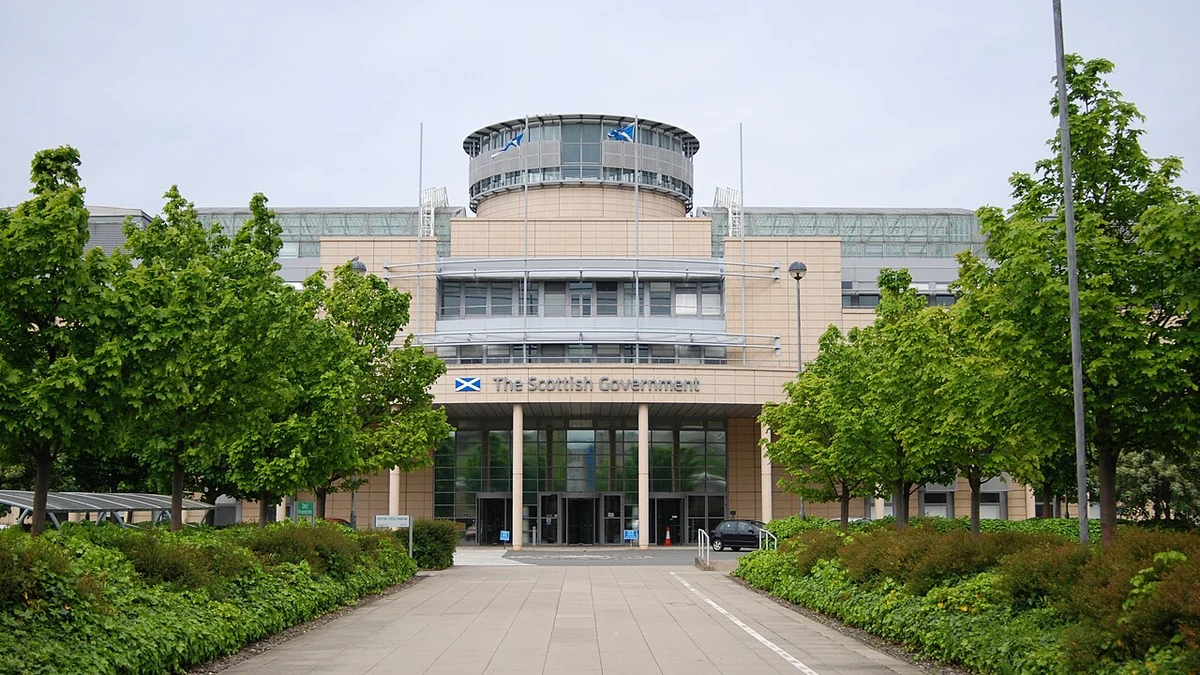
The Scottish Government has published a new migration policy paper calling on the UK Government to create Scotland-specific visa routes aimed at easing workforce shortages, supporting rural communities and helping the country respond to an ageing population. The package brings together proposals for a Scottish Visa, a Rural Visa and a Scottish Graduate Visa, alongside requests for more flexibility within existing UK immigration rules.
The proposals are not new visa categories that Scotland can introduce on its own. Immigration, asylum and visas are reserved matters under the UK constitutional settlement, so any new route would require action by the UK Government and the Home Office. The Scottish paper instead sets out models that ministers in Edinburgh say could operate within the existing UK immigration framework, with varying degrees of Scottish involvement in setting criteria and assessing applicants.
Business Minister Tom Arthur published the proposals on Aug. 29 as part of a wider policy paper on migration, demographics and economic growth. In its official announcement, the Scottish Government said the plan reflects concerns that UK-wide immigration rules do not adequately account for Scotland’s population trends, regional labor markets or the needs of rural and island communities. Arthur has invited the UK Migration Minister to discuss the proposals.
The timing also places the plan against a tighter UK immigration backdrop. Overseas recruitment for new care workers and senior care workers closed in July 2025, the standard Skilled Worker salary threshold is now £41,700 for many applicants, and the UK Government has said it intends to reduce the Graduate Visa from two years to 18 months from 2027. Scottish ministers argue that those changes can make recruitment and retention harder in parts of the economy where wages are below UK-wide thresholds but vacancies remain difficult to fill.
Three proposed routes target different workforce gaps
A place-based Scottish Visa is the broadest of the three proposed routes, aimed at people who want to live and work in Scotland. Holders would be required to reside in Scotland and would be linked to a Scottish tax code. The proposal would not impose a fixed salary threshold, although earnings could still form part of a selection process. The Scottish Government also wants a clear route to permanent settlement after five years of residence and compliance with the visa conditions.
Four delivery models illustrate how responsibility could be divided between Edinburgh and London. At one end, the Home Office would set the rules, assess applications and issue visas for a Scotland-specific route. Other versions would give the Scottish Government a larger role in proposing or setting eligibility criteria, assessing applicants or nominating successful candidates before the Home Office completed the final immigration decision. Under every model described in the paper, UK authorities would retain a role in issuing the visa.
Employer sponsorship would not be required under the Scottish Visa, another difference from the main Skilled Worker route. The Scottish Government says that would remove a significant administrative burden from small and medium-sized businesses. Residence conditions could be monitored through existing systems, including immigration status, right-to-work checks and the Scottish tax code.
A separate Rural Visa would be narrower and employer-based. It is designed for rural and island areas facing depopulation or persistent labor shortages, with participating employers recruiting for genuine vacancies under locally tailored criteria. Employers would recommend candidates to the Home Office for security checks and a final decision, while local partners would provide settlement support before and after arrival.
For the Rural Visa pilot, ministers suggest covering between three and five communities for five years. The policy paper proposes a working cap of 300 migrants per designated pilot area over that period, although final quotas would need to be agreed during the design process. Employment and geographic conditions would gradually ease over four years, with the proposal pointing to permanent residency without mobility restrictions after completion.
International graduates are the focus of the third route. A Scottish Graduate Visa is intended as a bridge between the existing UK Graduate Visa and the Skilled Worker route. Applicants would need to have completed an eligible qualification at a Scottish institution, already hold a Graduate Visa, have lived in Scotland for an appropriate period while studying and intend to continue living and working in Scotland. The proposed route would last up to two years, allow work in most jobs without a salary threshold, permit self-employment and allow a partner or dependent children to live with the applicant.
Population data explains the economic focus
Demographics, rather than a single industry shortage, form the core of the policy case. National Records of Scotland estimated the population at 5,545,500 in mid-2025, the highest level on record, but growth slowed to just 2,200 people, or less than 0.1%, over the preceding year. Migration was the main driver of that increase, while deaths exceeded births by 16,200.
Net migration into Scotland totaled 17,900 in the year to mid-2025. That included net international migration of 9,300 and a net gain of 8,600 people from the rest of the UK. The international figure was the lowest in five years and far below the recent peak, reinforcing the Scottish Government’s argument that population growth cannot be assumed to continue at the pace seen earlier in the decade.
Population change is uneven across the country, which is central to the Rural Visa proposal. Twenty of Scotland’s 32 council areas recorded population declines between mid-2024 and mid-2025. Rural and island areas also tend to have older age profiles: National Records of Scotland reported that people aged 65 or over accounted for 28.7% of the population in Dumfries and Galloway, 28.4% in Argyll and Bute and 28.1% in Na h-Eileanan Siar.
Ageing is visible nationally as well. Across Scotland, 21.0% of the population was aged 65 or over in mid-2025, up from 16.3% two decades earlier. The share aged 0 to 15 fell to 15.8% from 18.2% over the same period. The Scottish Government’s longer-term projections point to a broadly stable population through the early 2030s followed by decline, with the number of people aged 75 and over expected to rise sharply while younger age groups shrink.
For employers and public services, that shift affects both the number of available workers and the demand placed on key services. Scotland accounted for 8.1% of employment across Great Britain in 2024 but 17.8% of employment in agriculture, forestry and fishing, according to figures cited in the migration paper. In islands and remote rural areas, those sectors represented 16.5% of employment. The Scottish Government argues that UK-wide salary and skills rules can therefore miss jobs that are locally important even when they do not rank highly against national wage levels.
UK Government approval remains the key constraint
None of the proposals changes visa eligibility today. They are requests for policy change at Westminster, not new routes that are already open to applicants. Immigration powers remain reserved to the UK Parliament, and the Home Office administers the immigration system. That means applicants cannot apply for any of the proposed Scottish routes unless the UK Government agrees to create them or reaches another formal arrangement with the Scottish Government.
Edinburgh is nevertheless presenting the package as compatible with the existing UK framework. The Scottish Visa models retain a Home Office role, the Rural Visa would send employer-selected candidates to the Home Office for a final decision, and the Graduate Visa would build on a person’s existing UK immigration status. The paper also seeks Scotland-specific adjustments to current routes, including a lower Skilled Worker salary threshold for Scotland and exemptions from some rules affecting student and family dependants.
In parallel, the Scottish Government says it will try to make greater use of routes that already exist. Its policy paper highlights Youth Mobility Schemes, particularly arrangements with Australia and Canada, and proposes discussing a pilot that could let eligible participants extend their UK stay by up to one additional year if they live in Scotland. It also plans additional investment in Scotland’s Migration Service, which helps employers, investors and individuals navigate the UK system.
Further progress now depends on political talks rather than an administrative rollout. Arthur has asked the UK Migration Minister to engage on the proposals, and submitting Scottish Visa proposals to the UK Government was listed by the Scottish administration as a 100 Days commitment. Until London agrees to a new route or Scotland-specific exemptions, the current UK visa rules remain in force.
More News

Latest News
View all news- Priority Technology to Go Private in $1.6 Billion Deal Led by CEO Thomas Priore
- Microchip Technology Completes Hailo Acquisition to Expand Edge AI Portfolio
- Clearwater Paper Refinances Debt With $275 Million Term Loan and New Revolver
- Strive Buys 1,355 More Bitcoin, Raising Holdings to 26,355 BTC
- UK Help to Save Bonus Payments Pass £300 Million as Government Plans Wider Eligibility
