Singapore Announces Haze-Related Healthcare Subsidies Starting October 12
Singapore will cap eligible haze-related treatment charges at S$0, S$5 or S$10 from October 12, with all citizens covered at polyclinics but narrower eligibility at participating private clinics.
Our editorial standards
MarketReview publishes clear, independently produced financial information using reliable sources and transparent editorial standards.
Read our Editorial Policy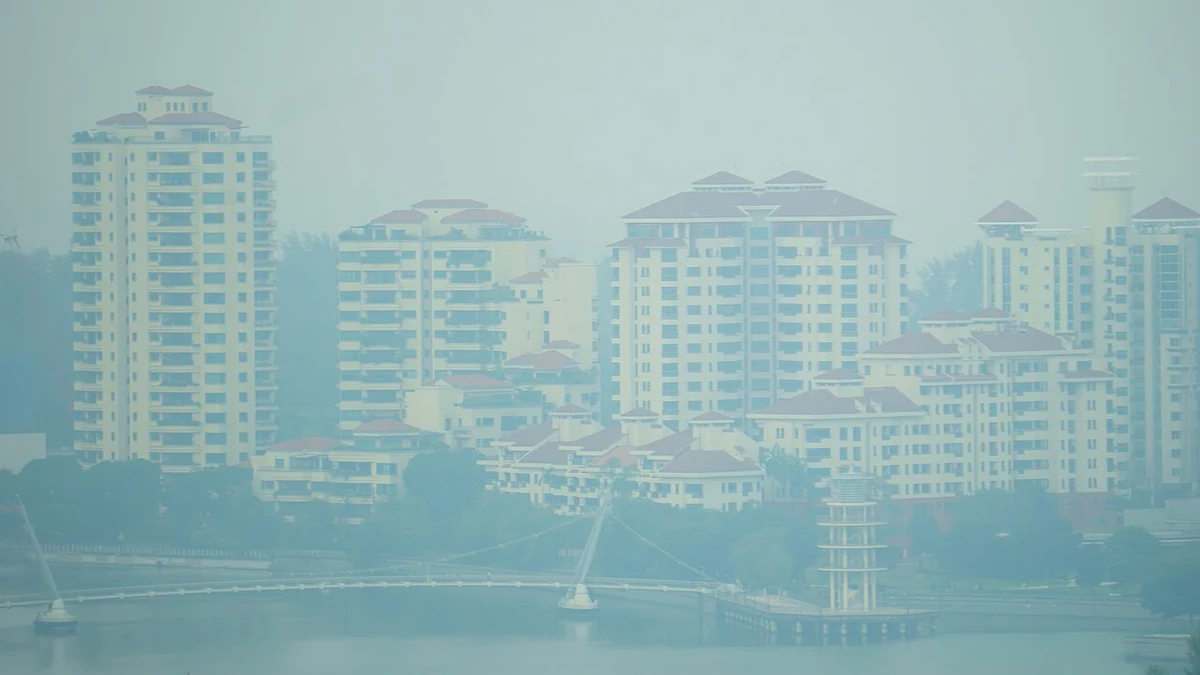
Singapore will begin subsidizing treatment for haze-related illnesses on Monday, October 12, allowing eligible citizens to pay no more than S$10 at participating private general practitioner (GP) clinics and all polyclinics. Some patients will pay a maximum of S$5, while those receiving Public Assistance will pay nothing for covered care.
The Ministry of Health (MOH) announced the move on Sunday, October 11, as smoke drifting into Singapore pushed air quality into the unhealthy range. The government is activating its Public Health Preparedness Clinic (PHPC) network alongside the Haze Subsidy Scheme (HSS), a separate measure that reduces patients’ treatment bills. The ministry set out the eligibility and payment rules in its October 11 announcement.
The distinction between private clinics and polyclinics matters. Every Singapore citizen can use the haze subsidy at a polyclinic, but the scheme is restricted to specified age and assistance groups at participating private clinics. It covers defined haze-related medical conditions rather than all outpatient visits.
Who qualifies for subsidized care
At participating PHPC clinics, Singapore citizens aged 18 or younger and those aged 65 or older qualify by age. Citizens of other ages may qualify if they receive Public Assistance, belong to the Pioneer Generation or Merdeka Generation, hold a blue or orange Community Health Assist Scheme (CHAS) card, or have a Medical Fee Exemption Card. A CHAS Green card alone is not among the listed eligibility categories, although its holder could qualify on another basis.
The rules are broader at polyclinics, where all Singapore citizens are eligible for the HSS regardless of age or CHAS card category. That gives citizens who do not meet the private-clinic criteria another place to seek subsidized care for an eligible illness. The October 11 announcement does not extend HSS eligibility to non-citizens.
The patient’s out-of-pocket cap depends on their assistance status. Public Assistance cardholders receive fully subsidized treatment. Eligible Pioneer and Merdeka Generation seniors pay no more than S$5, and other eligible Singapore citizens pay no more than S$10. These amounts apply to haze-related conditions treated under the scheme at the designated facilities; they are not a blanket cap on every medical bill.
Private-clinic participation is also important. A GP practice does not automatically offer HSS treatment simply because it operates in Singapore. MOH directs patients to its online haze information and clinic-finder service, and says participating clinics can be identified by a PHPC decal or an HSS poster. Checking a clinic’s participation before visiting could avoid confusion over eligibility and charges.
Which illnesses are covered and how clinics are preparing
Six types of illness are covered: allergic rhinitis, asthma, bronchitis, conjunctivitis, chronic obstructive pulmonary disease, and upper respiratory tract infections. Complications of those conditions are also included. These categories encompass some common respiratory and eye complaints associated with poor air quality, but the subsidy is tied to treatment of the listed conditions rather than general discomfort from haze.
The PHPC network is designed to coordinate primary care during public health alerts. Participating private GPs can handle appropriate cases outside hospitals, while polyclinics provide another route for patients needing assessment or treatment. Singapore previously used the preparedness-clinic arrangements during the COVID-19 response; the haze subsidy itself had not been activated since 2015, according to Health Minister Ong Ye Kung.
At a Sunday briefing, Ong said emergency departments and polyclinics were seeing a week-on-week rise in patients with respiratory problems. He did not give a numerical increase and cautioned that this year’s haze coincides with an Influenza A season, making it inappropriate to attribute all the additional visits to smoke exposure alone.
The minister said about 1,370 private clinics were in the preparedness network and close to 1,000 had responded positively to the activation request as of Sunday morning. That response count was a snapshot of clinic readiness, not a final total of patients treated or a guarantee that every practice would be offering the subsidy immediately. Ong encouraged people without serious problems to seek care at a PHPC clinic rather than an emergency department.
Hospitals have also been preparing for higher demand. Ong described steps such as keeping ward and corridor windows closed, using ventilation and air purifiers, and reviewing emergency supplies. In a separate October 6 parliamentary response, MOH said public institutions had plans to add clinical resources and hospital bed capacity if a surge in respiratory-related visits required it.
Air quality stays unhealthy as regional smoke drifts toward Singapore
The National Environment Agency (NEA) reported that Singapore’s 24-hour Pollutant Standards Index (PSI) stood between 112 and 155 at 6 p.m. on October 11, within the unhealthy category. Its one-hour PM2.5 readings ranged from 39 to 111 micrograms per cubic meter, spanning the normal and elevated bands. The two measures describe different time periods and should not be read as interchangeable. The agency’s October 11 haze update forecast unhealthy 24-hour PSI levels.
NEA said smoke from southern Sumatra and West Kalimantan had drifted toward Singapore. Showers were expected in Singapore and parts of the surrounding region, but dry weather was forecast to continue over sections of Sumatra and Kalimantan. With winds blowing from the south or southeast, more smoke could reach the island. The agency cautioned that cloud cover limited how much of the regional haze and hotspot activity could be seen in satellite observations.
The health advice varies with both pollution levels and personal medical risk. When the 24-hour PSI is unhealthy, NEA advises healthy people to reduce prolonged or strenuous outdoor exertion. Children, older adults and pregnant women should minimize such activity, while people with chronic lung or heart disease should avoid it. NEA recommends checking one-hour PM2.5 readings for immediate outdoor plans and the 24-hour PSI forecast for planning further ahead.
The decision also revives a form of assistance used during an earlier severe haze period. MOH activated the scheme in September 2015 and later reported approximately 50,000 haze-related attendances at participating clinics and polyclinics before the scheme ended that November. That historical figure shows how the program has been used, but it is not a forecast of how many people will need treatment this time.
For patients, the practical starting point on October 12 is to confirm that their symptoms fall within the covered conditions and, if choosing a private GP, that the clinic is participating. All polyclinics are included for Singapore citizens. MOH did not announce an end date for the new subsidy period in its October 11 release.
More News

Latest News
View all news- New Zealand’s ACT Party Proposes NZ$12.4 Billion Cut to 2031 Debt Forecast
- French Finance Minister Seeks to Avoid Budget Ordinances Amid Deficit Pressure
- Florida Renters Insurance Rate Cut Takes Effect for American Modern Policies
- Canada’s New Employment Insurance Eligibility Rules Take Effect October 11
- Australia Announces A$4.7 Million in Emergency Relief and Debt Counselling Funding