Sweden House Prices Rise 2% in Third Quarter, With Greater Stockholm Average Reaching SEK 7.2 Million
Official figures show a national average house price of roughly SEK 4.1 million, with sharp differences between Stockholm, Gothenburg and Malmö.
Our editorial standards
MarketReview publishes clear, independently produced financial information using reliable sources and transparent editorial standards.
Read our Editorial Policy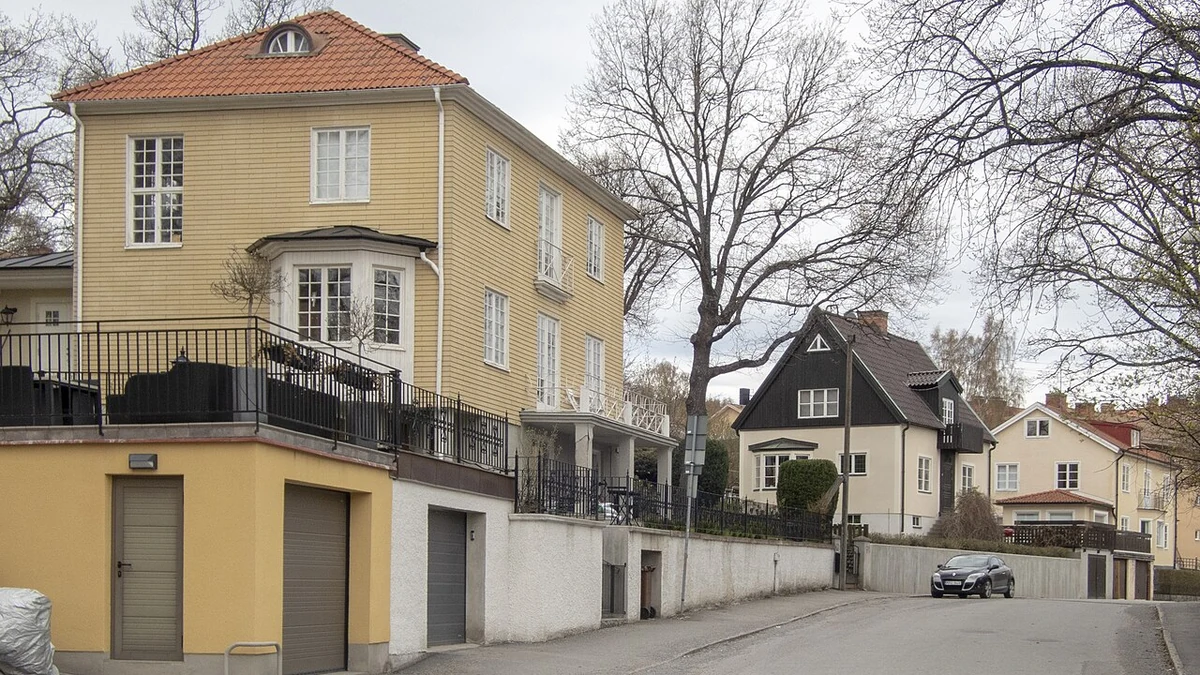
Swedish prices for permanent one- and two-dwelling houses rose 2% in the third quarter of 2026 from the preceding three months, according to figures released Friday by Statistics Sweden. The national average purchase price was about SEK 4.1 million, while a house sold in Greater Stockholm cost an average of roughly SEK 7.2 million.
The advance extends a series of quarterly increases in a market where location makes a substantial difference to what buyers pay. The official figures cover detached homes, semi-detached properties and terraced or linked houses used as permanent residences. They should not be read as a 2% increase in the price of every type of Swedish home, particularly tenant-owned apartments.
House prices extend their quarterly gains
The 2% rise is based on Statistics Sweden’s house-price index, which is designed to track price changes rather than simply compare the average price of properties sold. Separately, the agency’s detailed figures for July through September show a national average of SEK 4.059 million across 14,456 recorded purchases of permanent houses.
Earlier official releases showed the same broad direction. The index rose by a little more than 1% in the first quarter and by almost 2% in the second. The average purchase price in the second quarter was about SEK 4.0 million, making the third-quarter figure modestly higher even before looking at the index movement. Those averages describe the houses that changed hands in each period; they are not a repeat-sales measure for an identical set of properties.
That distinction matters when interpreting the numbers. A quarter with more sales of larger properties or more sales in expensive municipalities can push an average sale price upward without indicating that every individual property has appreciated by the same amount. Statistics Sweden therefore publishes both price-level information and an index, rather than relying on the national average alone to describe market movements.
The third-quarter data cover purchases dated from July through September. Statistics Sweden records sales according to the date when the buyer becomes the formal owner, not necessarily when the initial contract was signed. The agency says the gap between contract signing and the purchase date is normally around two months, which means the figures can reflect buying decisions made earlier in the year.
Greater Stockholm remains much more expensive
At approximately SEK 7.2 million, the Greater Stockholm average was around three-quarters above the national figure. The agency’s more precise three-month table puts the metropolitan area at SEK 7.152 million. For comparison, the averages were SEK 5.597 million in Greater Gothenburg and SEK 5.623 million in Greater Malmö. Both were considerably below Stockholm despite being among Sweden’s principal urban housing markets.
Stockholm’s premium is visible within the metropolitan area as well. The municipality of Stockholm had an average recorded price of SEK 9.257 million in the three-month figures, whereas the wider region includes municipalities with much lower sale prices. In Nacka, the average was SEK 10.287 million, compared with SEK 4.384 million in Södertälje. Those are averages of actual houses sold, not standard asking prices for comparable homes.
Regional changes also differed. In Statistics Sweden’s separate purchase-price-to-assessed-value comparison, Greater Stockholm was up 2% from the previous three-month period, Greater Malmö rose 4%, and Greater Gothenburg was essentially unchanged. These movements come from the agency’s K/T measure, which compares sale prices with assessed property values. They are not separate regional readings of the national quarterly house-price index.
The gap between regions matters to households deciding where to buy and to lenders assessing property exposure. A national average can provide a useful broad reference, but it conceals differences in local housing stock, the number of houses sold and the prices buyers actually encounter. The figures also underline why a statement about ‘Stockholm house prices’ needs a clear geographic definition: the municipality and Greater Stockholm are not interchangeable.
Interest rates and reporting lags shape the outlook
Recent private-sector indicators have offered additional, though methodologically different, views of the market. State-owned mortgage lender SBAB said its own house-price measure rose 1.8% in September, with increases recorded across all six regions in its index. Broker-data provider Svensk Mäklarstatistik, by contrast, reported a 0.4% national decline in villa prices for September while showing a 1.3% rise over a rolling three-month period.
Those readings do not necessarily contradict Statistics Sweden’s quarterly result. They use different data sources, timing conventions and calculation methods. In particular, the official real-estate release is tied to the transfer of ownership, whereas broker-based measures can capture market conditions nearer to the time a sale is agreed. The appropriate comparison is between like-for-like series, not between one monthly figure and a quarterly index.
Financing remains a relevant constraint on housing demand. Sweden’s central bank kept its policy rate at 1.75% at its September 24 monetary policy decision, with that rate effective from September 30. The Riksbank said economic activity had strengthened, but it also pointed to inflation risks and the possibility of higher rates later in the year if its outlook developed as expected.
Mortgage costs are influenced by more than the policy rate alone, including the terms lenders offer and developments in market funding costs. The central bank’s decision should therefore not be treated as a direct explanation for a particular quarter’s house-price increase. SBAB has noted that recent increases in some fixed mortgage rates had not yet produced an obvious setback in its own housing-price figures, but the bank has also warned that future rate increases could affect prices.
Statistics Sweden describes its recent house-price data as preliminary. Registrations can arrive after a reporting period, and the latest figures may be revised as additional property transfers are recorded. Its quarterly index is best read as an indication of the national direction, while its geographic price tables help show where the cost of buying a house remains highest.
The next scheduled Riksbank monetary policy announcement is November 4, following a November 3 meeting. Statistics Sweden has listed November 5 for its next monthly release of real-estate price statistics, providing a further look at the market after the third quarter ended.
More News


Latest News
View all news- University of Michigan Research Warns Long-Term Inflation Expectations Could Become Entrenched
- First Citizens Authorizes $1.2 Billion Share Buyback Alongside Third-Quarter Earnings
- American Express Raises 2026 Profit Outlook After Record $20.1 Billion Quarterly Revenue
- U.K. Retail Sales Fall 0.4% in September Despite Third-Quarter Growth
- Japan’s September Consumer Inflation Reaches 2.1%, With Underlying Prices Up 2.4%