
U.S. Jobless Claims Fall to 197,000 as Layoffs Stay Low
Initial unemployment claims slipped to 197,000, while the four-week average fell to 202,250 and continuing claims remained below year-earlier levels.
Our editorial standards
MarketReview publishes clear, independently produced financial information using reliable sources and transparent editorial standards.
Read our Editorial Policy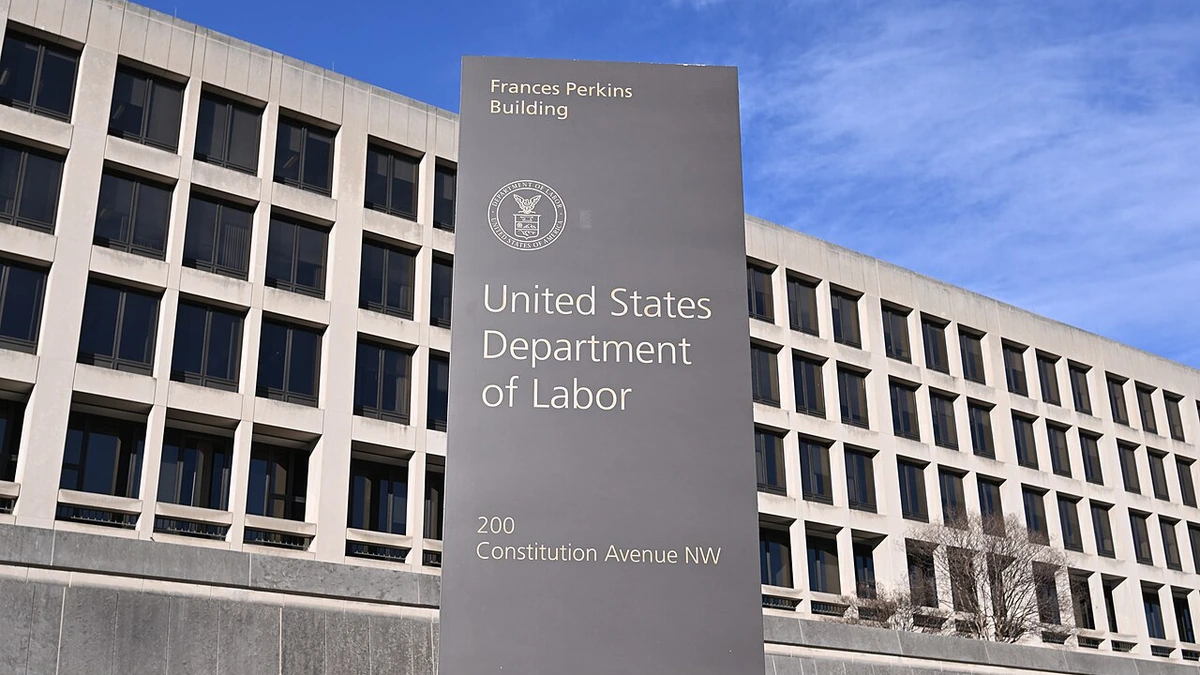
New applications for U.S. unemployment benefits edged lower last week, keeping one of the most closely watched measures of layoffs near historically low levels even as other labor-market indicators point to a slower pace of hiring than earlier in the expansion.
Seasonally adjusted initial claims fell by 1,000 to 197,000 in the week ended September 19, according to the U.S. Department of Labor. The previous week was revised up by 2,000, from 196,000 to 198,000. The four-week moving average, which smooths some of the volatility in the weekly series, declined by 1,750 to 202,250.
The Labor Department’s weekly unemployment insurance report also showed that the latest initial-claims level was below the 219,000 recorded in the comparable week a year earlier. The four-week average was well below the 236,750 level reported for the comparable period in 2025.
Claims data continue to show limited layoffs
Initial unemployment claims measure new applications for state unemployment insurance and are often used as a timely gauge of layoffs. At 197,000, the latest reading indicates that relatively few workers are entering the benefits system compared with the size of the U.S. labor force.
The latest decline was small, but the direction of the broader claims trend is also important. The four-week average has moved down to just above 202,000, reducing the influence of any single weekly swing. That level is consistent with employers generally holding on to workers rather than carrying out widespread job cuts.
Unadjusted claims moved in the opposite direction during the latest week. The Labor Department reported 163,811 actual initial claims under state programs, an increase of 10,243 from the prior week. Seasonal adjustment is designed to account for recurring calendar patterns, so the seasonally adjusted figure remains the standard headline measure for comparing weekly labor-market conditions.
Low claims do not by themselves establish that hiring is strong. They say more directly that layoffs remain restrained. That distinction matters because the U.S. labor market can show low job losses at the same time that employers become more selective about adding workers. Recent monthly data have shown exactly that kind of mixed picture: employment is still increasing, but hiring and turnover have been less dynamic than during the tightest phase of the post-pandemic labor market.
Continuing claims remain below year-earlier levels
The number of people continuing to receive unemployment benefits after an initial week of aid rose slightly. Seasonally adjusted insured unemployment increased by 2,000 to 1.719 million in the week ended September 12. The prior week was revised down sharply to 1.717 million from the previously reported 1.730 million.
The four-week average for continuing claims fell by 13,000 to 1.744 million. The insured unemployment rate remained at 1.1%, unchanged from the prior week. A year earlier, seasonally adjusted insured unemployment stood at 1.916 million, according to the Labor Department’s comparison table.
Continuing claims can provide a different signal from initial filings. New claims are more closely connected to the pace of layoffs, while the continuing series also reflects how quickly people who have lost jobs move off benefits, including through re-employment or exhaustion of eligibility. The latest readings from both series suggest that the unemployment insurance system is not showing broad deterioration.
Still, claims cover only workers eligible for unemployment insurance and do not capture every change in labor-market conditions. They should be read alongside the broader employment data rather than treated as a complete measure of unemployment or hiring.
Broader labor data show resilience with slower turnover
The latest monthly employment report reinforces that more nuanced picture. The Bureau of Labor Statistics reported that nonfarm payroll employment increased by 162,000 in August and the unemployment rate held at 4.1%. Household survey employment rose by 569,000, while the civilian labor force increased by 683,000 and the participation rate moved up to 61.6%.
Those figures show that employment was still expanding heading into September. At the same time, the Job Openings and Labor Turnover Survey for July showed 7.3 million job openings, while hires and total separations were both about 5.1 million. Layoffs and discharges were little changed at 1.7 million, with a rate of 1.0%.
Taken together, the data describe a labor market in which employers are not shedding workers aggressively, but turnover is less elevated than it was when worker shortages were more acute. That makes the phrase “tight labor market” most useful when referring to the continued scarcity of layoffs and relatively low unemployment, rather than implying that every measure of labor demand is accelerating.
The next major test will arrive quickly. BLS is scheduled to publish August Job Openings and Labor Turnover Survey data on September 29, followed by the September Employment Situation report on October 2. Those releases will provide a broader view of whether the low level of unemployment claims is being matched by stronger hiring, steady unemployment and continued demand for workers.
More News



Latest News
View all news- TD SYNNEX Revenue Jumps 38% to $21.6 Billion in Record Fiscal Q3
- Sky Quarry Restarts Nevada’s Eagle Springs Refinery After Receiving Air Permit
- Darden Sales Rise 5.1% to $3.2 Billion as Restaurant Group Reaffirms Outlook
- Vertiv Agrees to Buy King Environmental Services to Expand AI Data-Center Cooling Support
- IBM Connects Digital Asset Haven to Swift Ledger for Tokenized Deposits
