U.S. Proposes New Tariffs on 14 Trading Partners Following Section 301 Investigations
Vietnam and India face proposed tariff ceilings of 35% and 25%, respectively, with lower rates possible if trade negotiations succeed.
Our editorial standards
MarketReview publishes clear, independently produced financial information using reliable sources and transparent editorial standards.
Read our Editorial Policy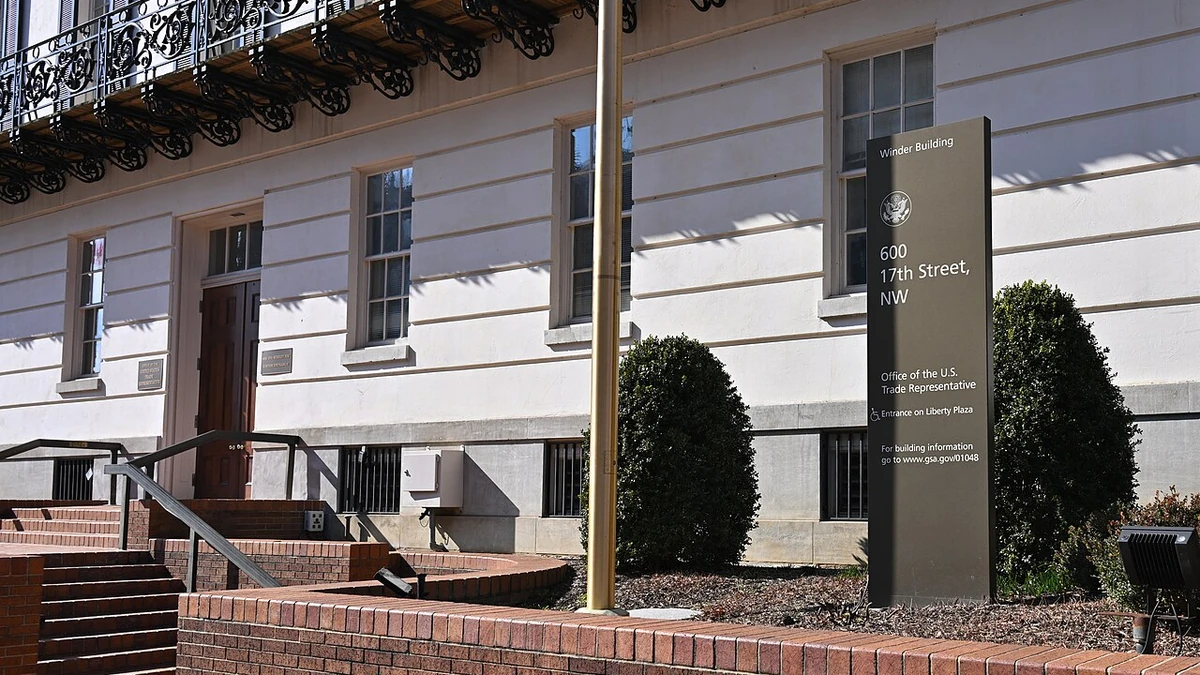
The Trump administration proposed new tariffs on goods from 14 trading partners on Wednesday after concluding that their manufacturing policies unfairly disadvantage U.S. businesses. The proposed rates differ by economy, reaching as high as 35% for Vietnam and 25% for India, although both could face lower rates if they reach trade agreements that address U.S. concerns.
U.S. Trade Representative Jamieson Greer issued findings under Section 301 of the Trade Act of 1974, following investigations launched in March into industrial overcapacity. No new duties took effect as a result of Wednesday’s announcement. Businesses and other interested parties have until January 5 to comment on the proposals ahead of hearings later that month.
Trade negotiations could change the proposed rates
The figures in the USTR announcement are not uniform surcharges to be added to every tariff already in place. The proposed treatment varies depending on the country of origin, the product and the duties that already apply. For the European Union, the proposed rate is 15% after accounting for ordinary most-favored-nation duties and existing Section 301 tariffs. Japan, South Korea, Switzerland and Taiwan would face rates of up to 15% on a similar basis, subject to exemptions.
For China, the proposal distinguishes between groups of goods. Most would face a rate of up to 20%, after deducting the applicable Section 301 forced-labor duty. A separate product list would be subject to duties of up to 10%, and another list would receive exemptions. The proposal takes account of commitments made in the October 2025 U.S.-China trade arrangement.
Vietnam faces the highest stated ceiling, but Washington is also considering a 20% rate in the event of a satisfactory bilateral agreement. For India, the corresponding alternatives are up to 25% or a negotiated 17%. Singapore could face up to 20%, with a possible reduction to 10% through negotiations. Bangladesh, Cambodia, Indonesia, Malaysia and Thailand would each face proposed rates of up to 18%, after allowing for existing Section 301 duties and with some goods exempt.
Those differences leave room for exporters to gain or lose a price advantage through negotiations, even if they produce competing goods for the same U.S. market. An importer choosing between Indian and Vietnamese suppliers, for example, cannot yet treat the difference between their proposed maximum rates as a durable saving. The relative cost could change considerably under the negotiated alternatives, particularly once existing duties and exemptions are factored in.
Washington’s case against industrial overcapacity
The investigations began on March 11 and covered 16 economies. In its announcement at the time, the trade representative’s office argued that government intervention had encouraged manufacturing output beyond levels justified by demand, preventing American factories from expanding in some industries. Its accompanying fact sheet identified sectors ranging from solar equipment and metals to electronics and machinery as areas of concern.
Washington’s case is not simply that other countries manufacture goods more cheaply. The agency contends that certain public policies sustain production that would otherwise be commercially difficult to justify. Among the practices identified in the investigations are financial incentives, restrictions on access to domestic markets and measures that the U.S. says suppress household demand or labor costs.
There is an important difference between excess capacity caused by a temporary fall in orders and a persistent imbalance supported by government policy. A factory facing a short-lived downturn can reduce output until demand recovers. If government-backed financing or other incentives keep production high despite weak demand, the resulting output may continue to reach foreign markets. USTR argues that this second situation weakens the commercial case for investing in competing U.S. facilities.
Section 301 gives the trade representative authority to address unfair foreign practices affecting American commerce. Under the statute, available remedies include import duties as well as binding agreements that remove the practices or offer compensatory trade benefits. Remedies can extend beyond the industry directly involved in the investigation, which helps explain why the proposals have implications for businesses outside the manufacturing sectors identified by USTR.
These are administrative findings by the U.S. government, not decisions by an international trade tribunal. Nor do they establish that every product from an investigated economy was made with government subsidies. The proposed duties instead cover broad categories of merchandise by origin.
Import costs and the remaining investigations
The commercial exposure is especially large in Asia. According to the September U.S. trade report from the Census Bureau and Bureau of Economic Analysis, imports from Vietnam reached a record $28.7 billion that month. The record figure illustrates why the outcome of Vietnam’s negotiations matters to companies sourcing merchandise there.
Mexico, another major supplier, was part of the original inquiry but was not included in Wednesday’s findings. U.S. imports from Mexico reached a record $62.2 billion in September. Norway’s investigation also remains open. The absence of both countries from the current proposals does not amount to a decision to exempt them permanently from any action under the inquiry.
For American companies that buy goods abroad, the financial consequences depend on how much of a new duty they can pass on to customers or recover by renegotiating supplier prices. Manufacturers that compete against imports could benefit from higher prices on foreign-made finished goods, but those that rely on imported components may encounter higher production costs of their own. A broad tariff can therefore protect one part of a domestic supply chain while raising expenses elsewhere in it.
Calculating the potential cost of the new proposals requires more than applying a country’s headline percentage to its total exports to the United States. The treatment of individual products, existing Section 301 duties and other applicable trade measures will determine the actual customs liability. Until the final schedules are available, estimates of additional tariff revenue or increases in consumer prices would depend heavily on assumptions about the exemptions and the outcome of trade talks.
The public consultation provides another opportunity for affected companies to seek changes before the duties are finalized. Requests to testify and written submissions are due January 5, 2027, with hearings beginning January 25. The USTR has not announced an effective date for the proposed tariffs.
More News

Latest News
View all news- Fed’s Preferred Inflation Gauge Rises 3.8% as Real Consumer Spending Stalls
- U.S. Economic Growth Revised Up to 4.3% in Third Quarter
- Mortgage Applications Jump 6.1% Despite 30-Year Contract Rate Reaching 7.38%
- US Weekly Jobless Claims Fall to 189,000 as Continuing Claims Decline
- FirstEnergy Contributes $300 Million in Stock to Its Pension Trust