Dai Nippon Printing Plans AUSTRIACARD Squeeze-Out and Delisting After 96.55% Tender Acceptance
DNP received tenders for 35.1 million AUSTRIACARD shares, clearing the 90% squeeze-out threshold, but Austrian foreign-investment approval remains outstanding before settlement.
Our editorial standards
MarketReview publishes clear, independently produced financial information using reliable sources and transparent editorial standards.
Read our Editorial Policy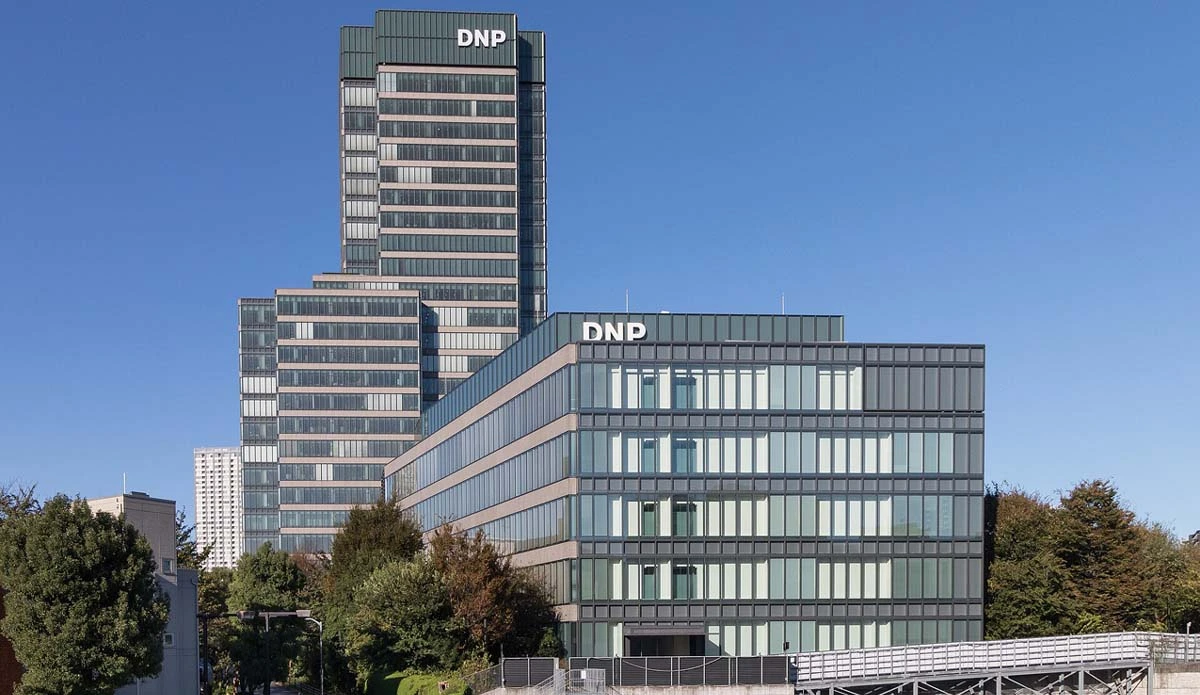
Dai Nippon Printing Co. said 35,099,096 AUSTRIACARD HOLDINGS AG shares were tendered into its cash takeover offer, representing about 96.55% of the Austrian company’s share capital and voting rights. The result puts the Japanese group above the 90% level needed to pursue a squeeze-out of the remaining shareholders under Austrian law and sets up a planned delisting from the Vienna Stock Exchange and Euronext Athens.
The high acceptance level does not mean the acquisition has closed. One regulatory condition is still unresolved: Austria’s foreign direct investment clearance. DNP said it had already obtained FDI approvals in Greece and Romania and merger-control clearances in Austria, Germany and Turkey, but settlement will wait until the Austrian FDI approval is secured.
In its August 26 tender-offer result, DNP said the initial acceptance period ended on August 21 and that the 75% minimum acceptance threshold had been satisfied. The shares tendered carry an acquisition price of about €351 million at the €10-per-share offer price, while the original offer valued all 36,353,868 AUSTRIACARD shares at about €364 million.
Acceptance clears the squeeze-out threshold
DNP entered the offer without an existing AUSTRIACARD stake, but it began with unusually strong support. Nikolaos Lykos, AUSTRIACARD’s largest shareholder, had irrevocably committed his roughly 74.58% holding to the offer when the takeover was announced in May. The final 96.55% acceptance rate shows that participation extended well beyond that committed block.
That difference matters for the ownership structure after closing. DNP said the result has reached the 90% voting-rights threshold required for a squeeze-out resolution under Austrian law. Subject to the outstanding FDI approval, it plans to seek a resolution at an AUSTRIACARD general meeting and acquire the shares that remain outside the offer.
The formal result announcement states that implementation of the squeeze-out would also lead to AUSTRIACARD’s delisting from both the Vienna Stock Exchange and Euronext Athens. The company’s shares are currently admitted to the Vienna official market’s Prime Market segment and the Athens Main Market, so the planned ownership change would ultimately remove a dual-listed security from public trading.
For holders who did not tender during the initial period, the process is not finished. The offer has entered a three-month additional acceptance period running from August 26 through November 26, 2026, at unchanged terms. The Austrian Takeover Commission’s offer record identifies €10 in cash for each AUSTRIACARD share and documents the original 75% minimum threshold and the regulatory conditions attached to the bid.
Austrian FDI clearance remains the closing gate
The remaining approval is important because DNP cannot yet settle the tendered shares merely on the strength of the acceptance result. Its announcement says the acquisition will become validly successful once the Austrian FDI condition is satisfied, assuming no other issue changes the status of the completed conditions. Payment for shares tendered during the initial period is due no later than 10 exchange trading days after the offer becomes unconditionally binding.
DNP still plans to complete the acquisition during the second quarter of its fiscal year ending March 2027, which ends in September 2026, although the timing depends on the Austrian clearance. Once settlement occurs, AUSTRIACARD is expected first to become a consolidated subsidiary. The squeeze-out would then be the step that moves DNP from a controlling owner to full ownership.
The regulatory sequence also separates today’s tender result from the later delisting. DNP has now established the shareholder support needed for the minority-exclusion process, but the company still has to obtain the FDI approval, complete settlement, secure the required shareholder resolution and follow the prescribed procedures for removing AUSTRIACARD from the two exchanges. The August 26 announcement therefore makes the squeeze-out and delisting plans substantially more concrete without making either one complete.
AUSTRIACARD’s management had already highlighted the consequences of a high acceptance rate before the offer closed. In its June reasoned statement, the management board said a holding above 90% would make a squeeze-out legally possible and could end the stock-market listing, while a shrinking free float could reduce liquidity for holders who remained. The board recommended that shareholders accept the €10 offer, while noting that each investor needed to make an independent decision based on individual circumstances.
DNP is buying a broader security and payments footprint
DNP framed the acquisition as an expansion of its information-security business rather than a financial investment in a stand-alone card maker. AUSTRIACARD supplies smart payment cards, citizen-identity solutions and security printing across Europe, Africa and North America. DNP said in May that the group manufactures and personalizes about 100 million payment cards a year, mainly for banks and fintech companies in Europe and the United States.
The geographic fit is central to DNP’s stated rationale. Its own security business has a strong Asian base, while AUSTRIACARD brings established operations in European, African and North American markets. DNP expects the acquisition to create cross-selling opportunities in card and payment products, support joint development work and extend its ability to provide identity-related services across physical and digital credentials.
Africa is another part of that plan. AUSTRIACARD has experience supplying national identity cards and ballot papers in African markets, and DNP said it expects collaboration with Rubicon SEZC, the holding company of Laxton Group that DNP acquired in 2025. Laxton focuses on government identity-authentication services, including personal-information registration and verification, giving DNP a second platform that could be combined with AUSTRIACARD’s existing relationships and production capabilities.
AUSTRIACARD reported €360.2 million of consolidated net sales and €29.7 million of operating income for 2025, according to figures included in DNP’s current takeover-result disclosure. The group employed about 2,360 people worldwide at the end of 2025, according to AUSTRIACARD’s management-board statement on the offer. DNP has said it intends to support the current strategy, retain key personnel and keep the company’s administrative headquarters in Vienna for the time being.
For DNP, the near-term accounting effect is expected to be limited. The company said the tender offer and the resulting change in subsidiary status are expected to have an immaterial impact on consolidated results for the fiscal year ending March 2027. The immediate milestone is therefore regulatory rather than earnings-related: Austrian FDI clearance must arrive before the 96.55% tender result can turn into settled ownership and the planned squeeze-out can move to its shareholder-approval stage.
More from Investing


Latest News
View all news- Trump Says Russia and Ukraine Agreed to Halt Energy Strikes, but Kyiv Cannot Confirm
- UK Announces New Flood and Drought Taskforce to Strengthen Infrastructure Resilience
- Texas Extends Newborn Health Insurance Coverage Window to 61 Days Under New Rules
- Singapore Announces Haze-Related Healthcare Subsidies Starting October 12
- New Zealand’s ACT Party Proposes NZ$12.4 Billion Cut to 2031 Debt Forecast