
Addex Regains Global GABAB Drug Portfolio Rights From Indivior
Addex now owns the GABAB PAM candidate Indivior had been developing for substance use disorders, alongside its separate chronic-cough program.
Our editorial standards
MarketReview publishes clear, independently produced financial information using reliable sources and transparent editorial standards.
Read our Editorial Policy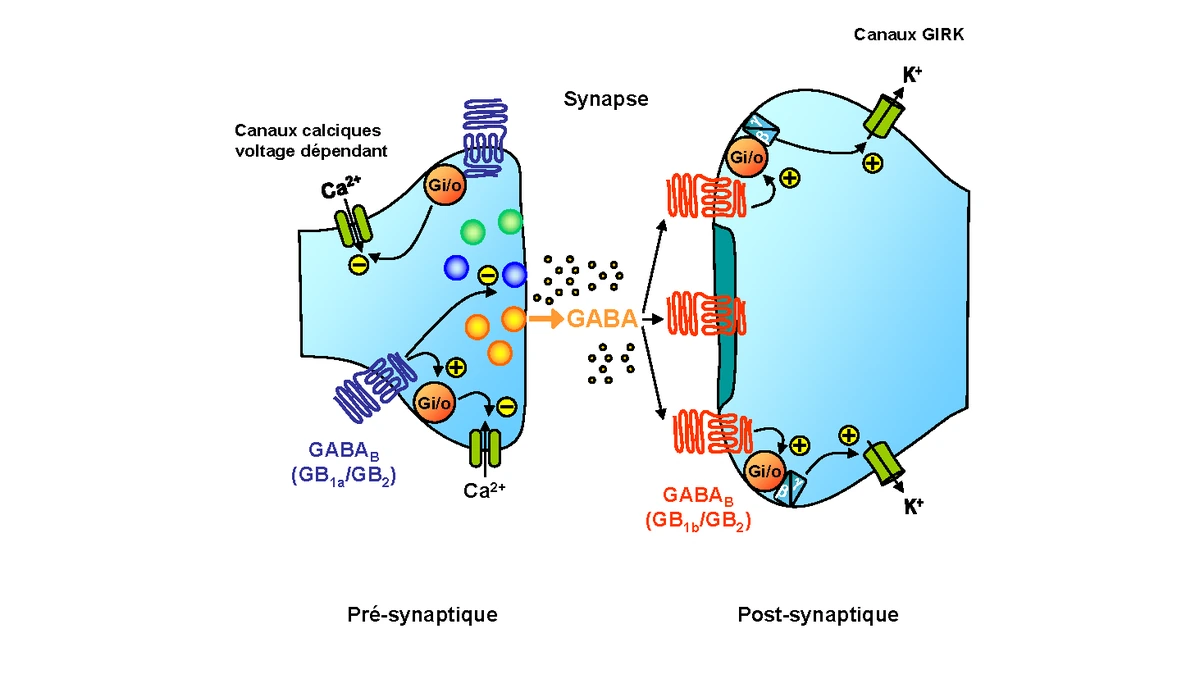
Addex Therapeutics said Friday it has regained full global rights to the GABAB positive allosteric modulator assets discovered through its research collaboration with Indivior, returning control of a substance-use-disorder drug candidate to the Swiss biotechnology company. The move ends a partnership structure under which Indivior had been responsible for advancing its selected compound, while Addex retained a separate GABAB PAM program for chronic cough.
The rights return is more than a change in ownership on paper. It puts a candidate that has already completed IND-enabling studies back inside Addex, giving the company direct control over its development path and the indications it may pursue. Addex said it can now consider seeking a new partner in the near term or doing additional development work before partnering.
Addex did not disclose a payment tied to the return of the assets. Under the prior agreement, the company had been eligible for as much as $330 million in clinical, regulatory and commercial milestones connected with Indivior’s selected program, plus tiered royalties on net sales. Those economics belonged to the earlier licensing structure; Friday’s announcement instead centers on Addex owning the returned candidate and deciding what happens next.
The returned candidate had already cleared key preclinical work
The substance-use-disorder candidate is not an early discovery-stage molecule. Indivior selected the compound from the joint research program in August 2024, taking responsibility for its future development. In May 2025, Addex said Indivior had successfully completed IND-enabling studies, the final preclinical package needed before a program can move toward human testing.
That history gives the returned asset a different starting point from Addex’s chronic-cough candidate. The cough program remained under Addex’s control and has been moving through preclinical development. In April 2026, the company reported antitussive activity for that candidate in non-human primate and bleomycin-induced idiopathic pulmonary fibrosis cough models. Addex has described the cough program as ready to begin IND-enabling work, subject to its development plans and resources.
Both programs target the GABAB receptor with positive allosteric modulators, or PAMs. GABA is a major inhibitory neurotransmitter, and GABAB receptors help regulate neuronal activity. Instead of binding at the same site as GABA, a PAM binds at a separate allosteric site and enhances the receptor’s response when naturally released GABA is present. Addex argues that this approach could preserve more of the receptor’s normal activity-dependent signaling than a direct agonist such as baclofen.
Baclofen provides an important reference point because it already demonstrates that activating GABAB receptors can have therapeutic effects. Addex says its PAM approach is intended to pursue that biology with a different pharmacological profile, potentially reducing problems such as sedation and tolerance that can limit direct agonists. Those advantages remain a development thesis rather than an established clinical outcome for Addex’s candidates, which have not yet produced human efficacy data.
Direct ownership broadens Addex’s strategic options
The collaboration traces back to 2018, when Addex and Indivior began work on GABAB PAM compounds for addiction and other central nervous system disorders. The research effort went through several extensions before Indivior selected the newer substance-use-disorder candidate in 2024. At the same time, Addex exercised its right to select a separate compound for chronic cough.
Friday’s announcement changes that division of responsibility. Addex said the collaboration has ended and that it now has full ownership of the returned development candidate, along with freedom to pursue therapeutic uses beyond those contemplated under the old agreement. The company specifically pointed to substance use disorders and chronic cough, while also citing pain, overactive bladder and neurodevelopmental disorders as areas where GABAB signaling may be relevant.
The wider list should not be read as a new clinical development plan. Addex has not announced trials across those indications, and its immediate choices will depend on financing, development priorities and whether it brings in another pharmaceutical partner. The company raised $2.8 million through its at-the-market program in August and said that financing extended its cash runway into the fourth quarter of 2027. That gives it more time to evaluate the returned asset, but advancing a drug from preclinical work into human studies still requires additional capital and execution.
For investors, the practical shift is that a program previously controlled by Indivior is again an Addex-controlled asset. That can create more strategic flexibility, but it also moves decisions about funding, trial timing and partnering back toward Addex. The company has not yet said whether it intends to take the substance-use-disorder candidate into Phase 1 itself, relicense it quickly, or pursue a different indication before bringing in another partner.
Indivior’s pipeline reset and Supernus merger form the backdrop
Addex linked the return of rights to Indivior’s research-and-development rationalization and the planned merger between Indivior Pharmaceuticals and Supernus Pharmaceuticals. Indivior had already disclosed a sharp pullback in internal pipeline work. In its second-quarter filing, the company said it had decided during the first half of 2026 to stop Phase 3 development of INDV-6001, not advance INDV-2000 internally, and was not currently pursuing any pipeline activities.
Indivior and Supernus signed their merger agreement on August 1 and announced it publicly on August 3. The companies describe the deal as an all-stock merger of equals. Under the agreed structure, a subsidiary of Indivior is to merge into Supernus, Supernus will survive as a wholly owned subsidiary, and the parent company will be renamed Supernus, Inc. The companies have said they expect closing in the fourth quarter of 2026, subject to shareholder approvals and other conditions.
Against that backdrop, returning the GABAB assets removes one externally sourced development program from Indivior’s pipeline obligations and leaves Addex with a broader set of compounds built around the same receptor biology. The strategic value of those assets will now depend on what Addex can do with them, rather than on future development decisions by Indivior.
Addex is scheduled to report its 2026 half-year financial results on September 28. That update will give investors a near-term opportunity to hear whether management provides more detail on the returned candidate, its development priorities, or the timing of any partnering process.
More News


Latest News
View all news- Brightline Florida Reaches Restructuring Deal With $490 Million in New Financing
- Delek US Prices $400 Million of 0% Convertible Senior Notes
- Nauticus Robotics Says Strategic Investor May Invest Up to $50 Million
- Japan’s 3-Month Bill Auction Clears at 1.2555% Average Yield
- Linjemontage Begins Nasdaq Stockholm Trading After SEK 658 Million IPO
