Delek US Prices $400 Million of 0% Convertible Senior Notes
The 2031 notes carry no regular interest and initially convert at about $85.31 a share, with Delek planning to use part of the proceeds to repay term-loan debt.
Our editorial standards
MarketReview publishes clear, independently produced financial information using reliable sources and transparent editorial standards.
Read our Editorial Policy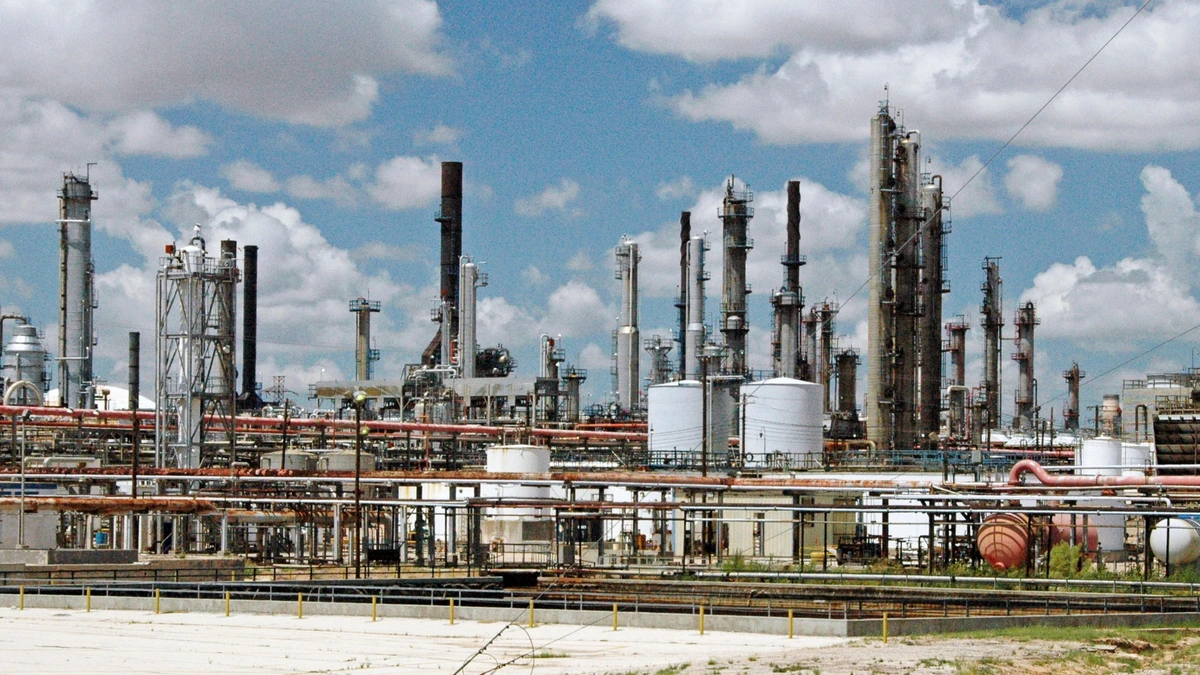
Delek US Holdings priced a $400 million private offering of 0.00% convertible senior notes due 2031, giving the refiner a new source of capital that carries no regular cash interest. The company said the notes are expected to close on September 29, subject to customary conditions, and initial purchasers have a 13-day option to buy up to another $60 million of principal.
Delek plans to use part of the net proceeds to pay for capped calls tied to the offering. The rest is designated for general corporate purposes, including partial repayment of amounts outstanding under its term loan credit facility, together with accrued interest and related fees and expenses. The company did not specify how much of the $400 million will ultimately go toward debt repayment because the amount available will depend in part on offering costs and the price of the capped calls.
The notes are senior unsecured obligations and will be guaranteed on the same senior unsecured basis by subsidiaries that guarantee Delek’s senior secured term loan facility or asset-based revolving credit facility. They mature on November 1, 2031 unless converted, redeemed or repurchased earlier, and their principal will not accrete.
The initial conversion price is about $85.31 a share
The notes initially convert at a rate of 11.7219 shares of Delek common stock for each $1,000 of principal. That equates to an initial conversion price of about $85.31 per share, roughly 27.5% above Delek’s $66.91 closing price on the New York Stock Exchange on September 24.
Before August 1, 2031, holders can convert only when specified conditions are met and during certain periods. After that date, the notes can be converted until shortly before maturity. Delek can settle conversions in cash and, when applicable, shares of common stock at its election, giving the company flexibility over how much equity is delivered if holders convert.
The conversion premium is central to the economics of the financing. Investors receive no regular coupon, so a material part of the potential upside comes from the value of the conversion feature if Delek’s share price rises sufficiently. Existing shareholders, meanwhile, face potential dilution if shares are delivered on conversion, although Delek is using capped calls to reduce that exposure within a defined price range.
Delek cannot redeem the notes before November 6, 2029 except under a cleanup provision. After that date, it may redeem some or all of them if specified conditions are satisfied. The company can also use the cleanup redemption earlier if less than 10% of the principal amount originally issued remains outstanding. Holders have a separate right to require cash repurchase at 100% of principal, plus any accrued and unpaid interest, if Delek undergoes a defined fundamental change.
Part of the proceeds is headed toward the term loan
The financing comes several months after Delek refinanced its term loan. According to the company’s June 30 quarterly filing with the SEC, the principal balance of the Delek Term Loan Credit Facility was reduced to $850 million in May, its maturity was extended to May 15, 2032, and its pricing was reset to term SOFR plus 300 basis points or a base rate plus 200 basis points. Delek reported an effective interest rate of 7.36% on that facility at June 30.
Using some of the convertible-note proceeds to repay the term loan would replace interest-bearing secured debt with securities that have no regular cash coupon, although the new notes introduce conversion exposure and the company must also fund the capped calls. The precise effect on future interest expense cannot be calculated from the pricing announcement because Delek has not disclosed the exact amount of term-loan principal it will repay.
That distinction also matters when looking at Delek’s broader balance sheet. At June 30, the company reported $3.19 billion of consolidated long-term debt, but most of that amount sat at Delek Logistics Partners. Excluding Delek Logistics, Delek reported $817.0 million of long-term debt and $614.9 million of cash. The parent-level term loan accounted for $850 million of principal before unamortized discounts and financing costs affected the reported carrying amount.
The offering therefore is not simply a $400 million reduction in debt. Some proceeds are being spent on the capped calls, fees will reduce the amount of cash received, and the company has said only that the remaining funds will include a partial term-loan repayment alongside general corporate purposes. If the purchasers take their full additional-note option, Delek expects to use part of those proceeds for additional capped calls and the balance for the same general purposes, including further term-loan repayment.
Capped calls set a higher reference point at about $117.09
Delek entered into privately negotiated capped calls with one or more of the initial purchasers, their affiliates and other financial institutions. The arrangements initially cover the same number of shares underlying the notes and are intended to reduce potential dilution from conversion or offset cash payments Delek may have to make above principal.
The initial cap price is about $117.09 per share, approximately 75% above the September 24 closing price. That is well above the $85.31 initial conversion price. The capped calls can therefore provide protection across part of the stock-price range above the conversion threshold, but the protection is not unlimited. Dilution can still emerge if the share price rises beyond the cap or if other terms and adjustments affect the final settlement.
The note sale and the capped calls are expected to close on the same date, but Delek said completion of the note offering is not contingent on the capped calls closing. The securities are being offered only to persons reasonably believed to be qualified institutional buyers under Rule 144A and have not been registered under the Securities Act, so this is a private institutional financing rather than a registered public bond sale.
Delek is a downstream energy company with refining, logistics, pipeline and renewable-fuels assets. Its refining operations include facilities in Tyler and Big Spring, Texas, El Dorado, Arkansas, and Krotz Springs, Louisiana, with combined nameplate crude throughput capacity of 302,000 barrels per day. The next concrete step for the financing is the expected September 29 closing, when the company would issue the notes and complete the initial capped-call arrangements if the stated conditions are met.
More from Investing


Latest News
View all news- German Export Expectations Fall as Auto Industry Turns Negative Again
- Nasdaq Begins Trading Three New Portfolio Building Block ETFs
- Addex Regains Global GABAB Drug Portfolio Rights From Indivior
- Bank of England Market Minutes Show Rate-Hike Expectations in UK Curve
- Japan’s 3-Month Bill Auction Clears at 1.2555% Average Yield